



Disabilities Commission Calls for Affirmative Action for Disabled Educator
- 22 Sep 2026 06:11 WIB
- Voice of Indonesia
Key Points
- The National Commission on Disabilities (KND) urges the RUU Sisdiknas to guarantee access to education for persons with disabilities and open opportunities for them to serve as teachers, lecturers, and academics.
- Affirmative measures are essential to ensuring equal participation for persons with disabilities in the education sector, not only as recipients of services but also as providers.
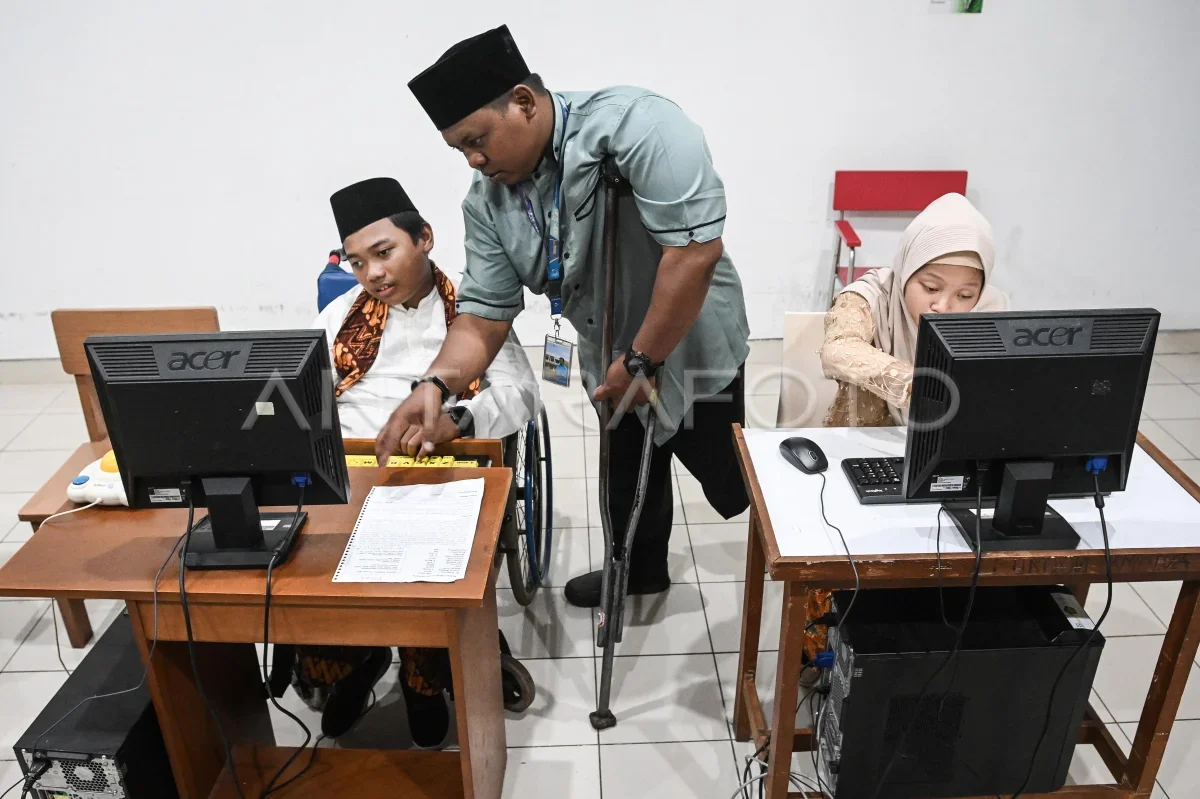
RRI.CO.ID, Jakarta - The National Commission on Disabilities (KND) urges the National Education System Bill (RUU Sisdiknas) to guarantee access to education for persons with disabilities and include affirmative measures enabling them to serve as teachers, lecturers, education personnel, researchers, and academics.
KND member Rachmita Maun Harahap said the draft bill still largely positions persons with disabilities as objects or students--recipients of educational services--rather than as active participants in education delivery.
“The bill is still not comprehensive. Persons with disabilities are still seen as objects or students receiving services. It does not yet address disabilities in the context of being subjects or providers—roles that include teachers, lecturers, education personnel, researchers, and academics,” Rachmita said during a public hearing between the KND and Commission X of the House of Representatives (DPR RI) in Jakarta on Monday, September 21, 2026, as quoted by Antara.
The KND considers such affirmative measures essential to ensuring equal opportunities for persons with disabilities to participate in the education sector, not only as recipients of services. This includes the right to teach, conduct research, engage in academic activities, and assume leadership roles in education.
Rachmita said strengthening this position is necessary to align the bill with the Convention on the Rights of Persons with Disabilities (CRPD) and Law No. 8/2016 on Persons with Disabilities.
She noted that both legal frameworks recognize persons with disabilities as citizens with full rights to participate in various aspects of life, including education. While highlighting gaps in the bill regarding the role of persons with disabilities as education providers, the KND appreciates several provisions that strengthen protections for students with disabilities.
These include Article 47 on the provision of special education or special schools (SLB); Article 50 on inclusive education and the mandatory establishment of Disability Service Units (ULD); and Article 77 on inclusive facilities and infrastructure.
The KND also highlights Article 100, which addresses inclusive education in higher education, and Article 148, which regulates the admission of students with disabilities.
“We appreciate the draft bill. It represents a positive step in the right direction toward protecting students with disabilities across all levels of education, from early childhood education (PAUD) and primary/secondary school to higher education,” Rachmita said.
The KND hopes that deliberations on the bill will broaden the perspective on inclusive education. Shifting the focus from ensuring that persons with disabilities receive educational services to ensuring they also have equal opportunities to become active participants in delivering and advancing education. ***
News Recomendation
Loading latest news.....