



Industry Ministry Enhances SMEs’ Role in Electric Vehicle Ecosystem
- 19 Agt 2026 14:23 WIB
- Voice of Indonesia
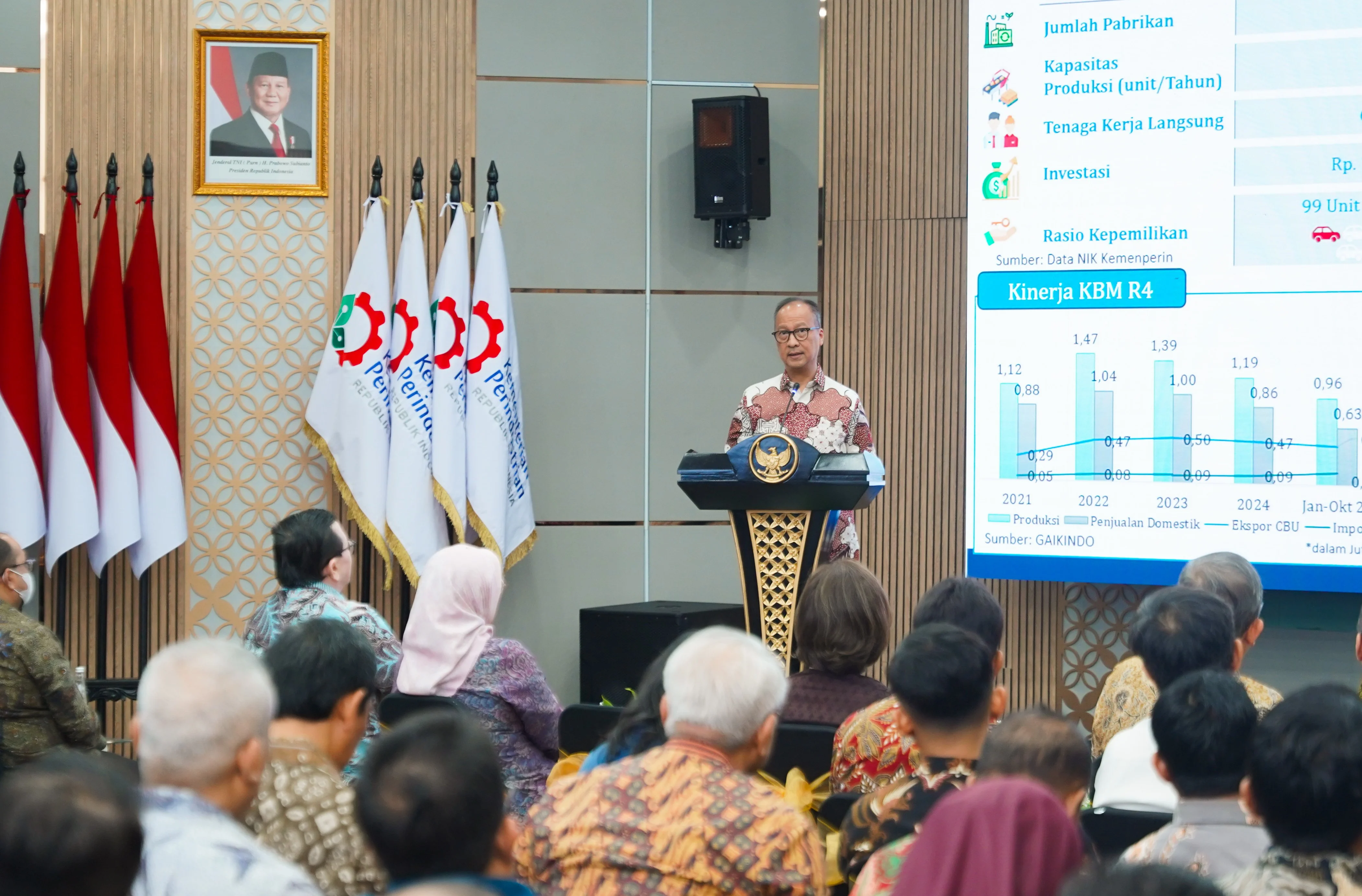
RRI.CO.ID, Jakarta - Indonesia’s Ministry of Industry expands the involvement of small and medium industries (SMIs) in the development of the battery-based electric motor vehicle (KBLBB) ecosystem, particularly electric two-wheelers. The initiative aims to expand the role of SMIs in the supply chain, increase domestic value-added production, and create new employment opportunities.
Indonesia's Industry Minister, Agus Gumiwang Kartasasmita, said the development of the electric vehicle industry should generate broader economic benefits across the national industrial structure. He emphasized that support for SMIs should go beyond improving production capacity and enable them to meet the qualifications required to become suppliers for larger industries.
“Our target is not merely to increase the number of SMIs receiving support, but also to ensure they meet industry requirements, because SMIs must be able to qualify as suppliers, enter the supply chain, and ultimately secure sustainable orders,” Agus said in a statement in Jakarta on Tuesday August 18, 2026.
The effort has begun to show results through the involvement of two SMIs supported by the Ministry of Industry, PT Kannindo Metal Industri and PT Multikon Rekatama Industri, in the national electric motorcycle ecosystem, known as Molinas. The two companies became part of the Molinas supporting ecosystem launched by President Prabowo Subianto in Cikarang on August 13, 2026.
The two SMIs have been able to manufacture battery boxes and battery brackets for Alva’s Molinas electric motorcycles, operated by PT Electra Mobilitas Indonesia. The achievement demonstrates the potential for Indonesian SMIs to play a larger role in the electric vehicle supply chain by improving technology, product quality, productivity, and market access.
Through the Directorate General of Small, Medium and Miscellaneous Industries (IKMA), the Ministry of Industry has implemented various programs to develop SMIs producing transportation equipment components. The programs include identifying potential SMIs, improving technological and quality capabilities, developing prototypes, conducting testing and certification, and integrating SMIs into the electric vehicle industry supply chain.
Agus explained that SMI development in the electric vehicle ecosystem uses a supplier development approach, with the needs of major industries and original equipment manufacturers (OEMs) serving as the basis for development programs. “SMI development must start from market needs,” he said, adding that the government helps SMIs close capability gaps by strengthening technology, human resources, product quality, standardization, and access to testing.
Director General of IKMA, Reni Yanita, said strengthening partnerships between SMIs and large industries, OEMs, and Tier-1 suppliers is an important instrument for accelerating SMI integration into the electric vehicle supply chain. The Ministry of Industry also organizes business matching programs covering component specifications, supplier assessments, prototype development, testing, and supplier qualification, with the ultimate goal of securing purchase commitments and sustainable industrial orders.
News Recomendation
Loading latest news.....