



Ministry Calls for Cross‑Sector Protection for Children with Disabilities
- 18 Agt 2026 20:32 WIB
- Voice of Indonesia
Key Points
- The Ministry of Women's Empowerment and Child Protection is working to protect children with disabilities from violence by fostering collaboration across sectors.
- Protecting children with disabilities means ensuring their right to education and creating safe environments free from violence.
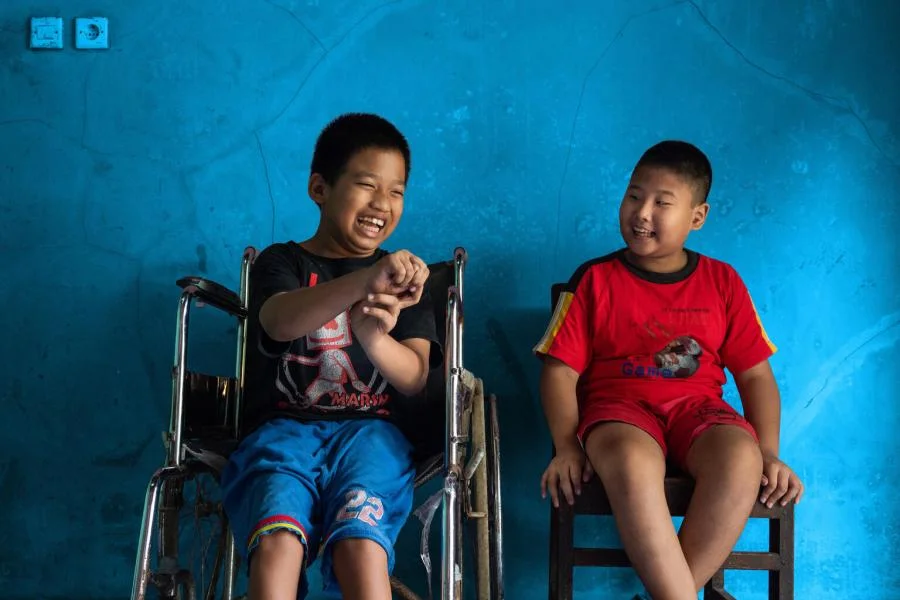
RRI.CO.ID, Jakarta - The Ministry of Women’s Empowerment and Child Protection (KemenPPPA) is strengthening cross‑sector collaboration to protect children with disabilities from violence, particularly in educational settings.
These efforts aim to ensure that children with disabilities feel safe, have access to education, and receive support when facing risks or incidents of violence.
“Collaboration between ministries and agencies is essential to build an interconnected protection system, particularly in educational institutions, to strengthen the protection of children with disabilities,” said Assistant Deputy for the Protection of Children with Special Conditions at KemenPPPA, Susanti, during a technical guidance session on preventing violence against children with disabilities in educational institutions in Jakarta on Tuesday, August 18, 2026, as quoted by Antara.
She said educational institutions are key environments that require stronger advocacy for violence prevention. As places where children learn, grow, and build social relationships, schools should provide safety and comfort for all students, including those with disabilities. However, violence continues to occur in these settings.
Data from the Online Information System for the Protection of Women and Children (SIMFONI PPA) recorded at least 2,324 victims of violence in school environments and 44 victims in non‑formal educational institutions in 2025.
The 2024 National Survey on the Life Experiences of Children and Adolescents (SNPHAR) also highlights the high risk of violence. The survey found that 83.85 percent of children with disabilities had experienced at least one form of violence at some point in their lives.
Susanti noted that communication barriers, limited access to information and services, dependency, stigma, discrimination, and non‑inclusive environments increase vulnerability and heighten the risk of violence for children with disabilities.
She emphasized that protection efforts must go beyond ensuring access to education. Prevention systems must also guarantee safe environments and provide support mechanisms when children face threats or experience violence.
Providing healthcare services tailored to children’s specific needs is also crucial. In addition, protection in digital spaces and inclusive disaster preparedness must be strengthened to address the various vulnerabilities faced by children with disabilities.
KemenPPPA stresses that prevention efforts must be strengthened because risks can arise in both educational settings and daily life. These efforts require collaboration among multiple stakeholders to ensure an integrated approach to protecting children with disabilities -- from prevention and service provision to support when violence occurs. ***
News Recomendation
Loading latest news.....