



Strengthening Civil Servant Resilience Against Digital Radicalism
- 04 Agt 2026 16:26 WIB
- Voice of Indonesia
Key Points
- The BNPT is working with the State Administration Institute (LAN) to develop a prevention strategy that will strengthen the capacity and curriculum of civil servant training programs.
- The BNPT is a civil servant certification body for high-risk sectors like operators of national vital assets. Radical exposure in these sectors poses a threat to national security.
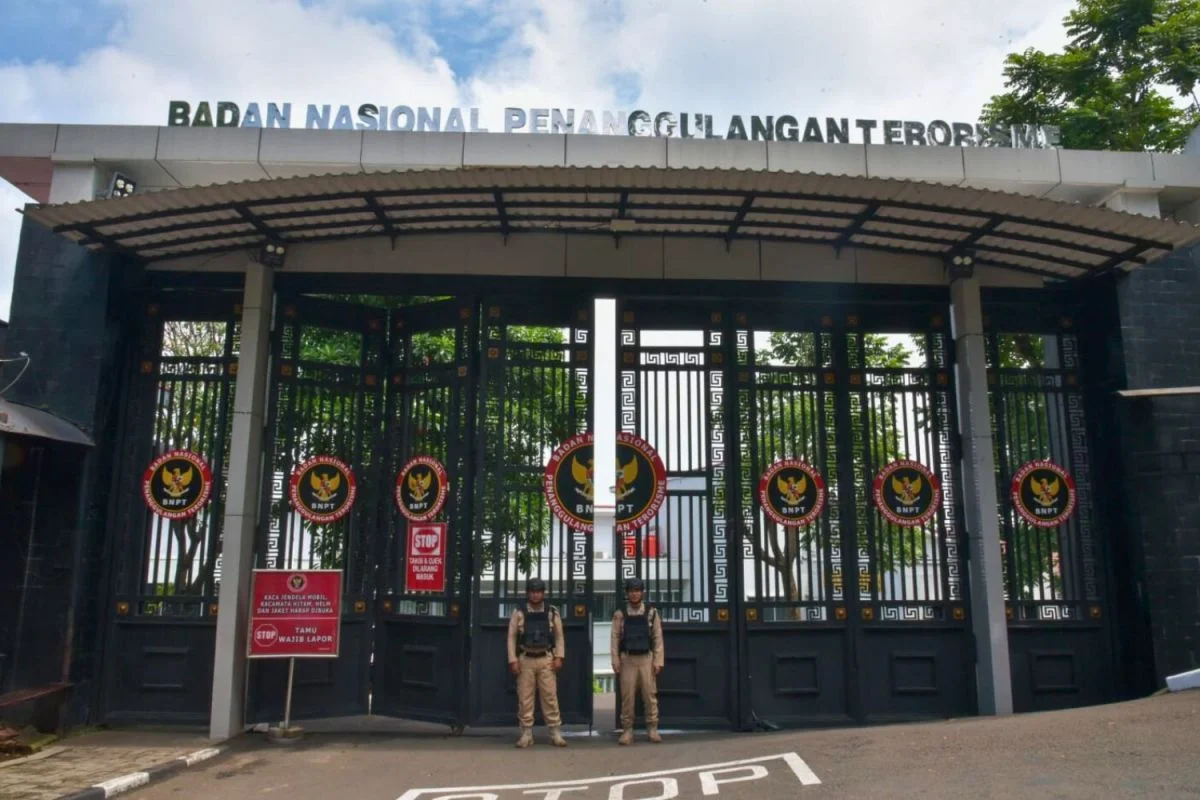
RRI.CO.ID, Jakarta - The National Counterterrorism Agency (BNPT) is concerned about the threat of terrorism and radicalism spreading through the digital space and targeting state civil servants (ASN). The BNPT is collaborating with the State Administration Institute (LAN) to develop a prevention strategy that includes strengthening the capacity and curriculum of civil servant training programs.
Head of BNPT Eddy Hartono said that the spread of radicalism is now increasingly adapting to the digital space. This situation is requires increased professionalism and capacity within the of civil servants, particularly at the BNPT, to respond to terrorist threats.
"Terrorism is now increasingly adapting to the digital space. We hope LAN can support career development and build the capacity of civil servants at BNPT to become more professional and responsive to the dynamics of threats," Eddy said in Jakarta on Tuesday, August 4, 2026, as quoted by Antara.
This collaboration was discussed during a meeting last month in Jakarta between the National Counterterrorism Agency (BNPT) and the National Civil Service Agency (LAN) , as a step to strengthen the capacity of civil servants in addressing the threat of terrorism and violent extremism.
Eddy explained that BNPT civil servants have unique duties that combine overt administrative work with covert, semi-intelligence operations, setting them apart from other agencies. Therefore, strengthening human resources and institutional capacity is considered urgent.
In addition to bolstering internal capabilities, the BNPT is promoting its role as a certification body for civil servants in high-risk sectors, such as operators of national vital assets. Eddy said that exposure to radical ideology among officers in strategic sectors can have serious repercussions for national security.
| Baca juga: Govt Submits Traffic Law Amendment Inventory |
"Make sure, they do not get exposed (to terorism). For example, at PT Kereta Api Indonesia (Persero), there are officers whose job is to move train tracks, which is crucial, or at PLN, there are usually turbine officers at a coal-fired power plant. The impact could be dangerous for national security," he said.
In response, LAN Head Muhammad Taufiq said that his office supports developing a new formula to strengthen civil servants' resilience against terrorism. He added that although intolerance and radicalism are included in the Civil Servant Candidate Basic Training, current threat patterns require a more comprehensive approach.
"The National Counterterrorism Agency (BNPT) is tasked with educating civil servants on counterterrorism, especially since the face of terrorism has changed. Therefore, we need to work together to formulate a strategy to prevent terrorism among civil servants, as terrorism enters through the doors of radicalism and intolerance. This material has previously been included in Civil Servant Candidate Basic Training," said Taufiq.
LAN also plans to incorporate terrorism prevention material into policies and curricula for leadership education and training, particularly regarding contemporary threats. Taufiq said that this material is relevant to the concept of cognitive warfare, which involves the use of digital algorithms that influence a person's thinking and decision-making.
BNPT and LAN are committed to drafting a memorandum of understanding (MoU) immediately to establish a foundation for long-term cooperation and strengthen the resilience of civil servants against the influence of radicalism and terrorism. ***
News Recomendation
Loading latest news.....