



House Highlights the Urgency of Cultural Heritage Revitalization in Riau's Siak
- 29 Jul 2026 17:02 WIB
- Voice of Indonesia
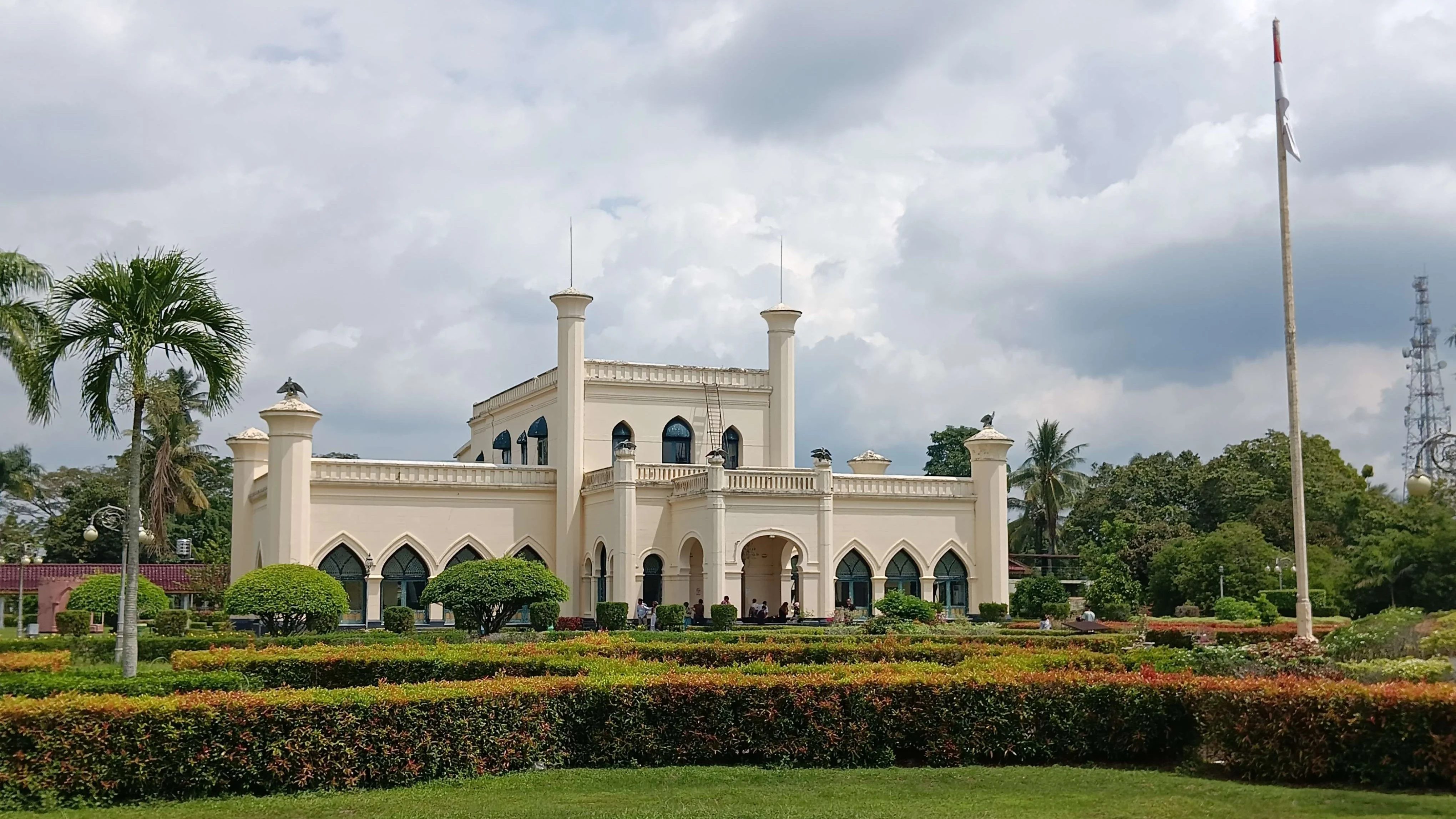
RRI.CO.ID, Siak Sri Indrapura - The Indonesian House of Representatives (DPR RI) affirmed that the preservation of cultural heritage must be a serious government concern, as damage to historic buildings not only threatens public safety, but also risks erasing irreplaceable historical traces. Therefore, strengthening policies and optimizing funding schemes is necessary to ensure the swift realization of cultural heritage revitalization.
Member of the Indonesian House of Representatives (DPR), Ledia Hanifa Amaliah, conveyed that one of the main challenges in preserving cultural heritage is the high cost of maintenance. However, high budgetary needs should not be used as an excuse to allow historic buildings to continue to deteriorate.
"We see that several cultural heritage areas require significant maintenance costs. Our biggest problem is that many cultural heritage sites have significant historical value but are not well maintained. Once they are designated as cultural heritage, the government is responsible for maintaining them," Ledia said while visiting Siak Regency, Riau, on Wednesday, July 22, 2026, with other House members.
Ledia believes Siak Regency is one of the regions deserving of greater attention from the central government. He believes the Siak Sultanate made a significant historical contribution to the founding of the Unitary State of the Republic of Indonesia, and preserving its heritage is a form of respect for that service.
"The Siak Sultanate has rendered immense service to Indonesia. It provided its territory, its wealth, and its support for the founding of the Republic of Indonesia. We should pay more attention to Siak's historical heritage," she stressed, as quoted by dpr.go.id on Monday, July 27, 2026.
Ledia also highlighted the suboptimal utilization of the country's cultural endowment fund called Dana IndonesiaRaya (literally "Great Indonesia Fund"). According to her, current regulations prevent the government from directly utilizing the fund to finance cultural heritage revitalization because its use is still limited to third parties, such as foundations, community organizations, and non-governmental organizations.
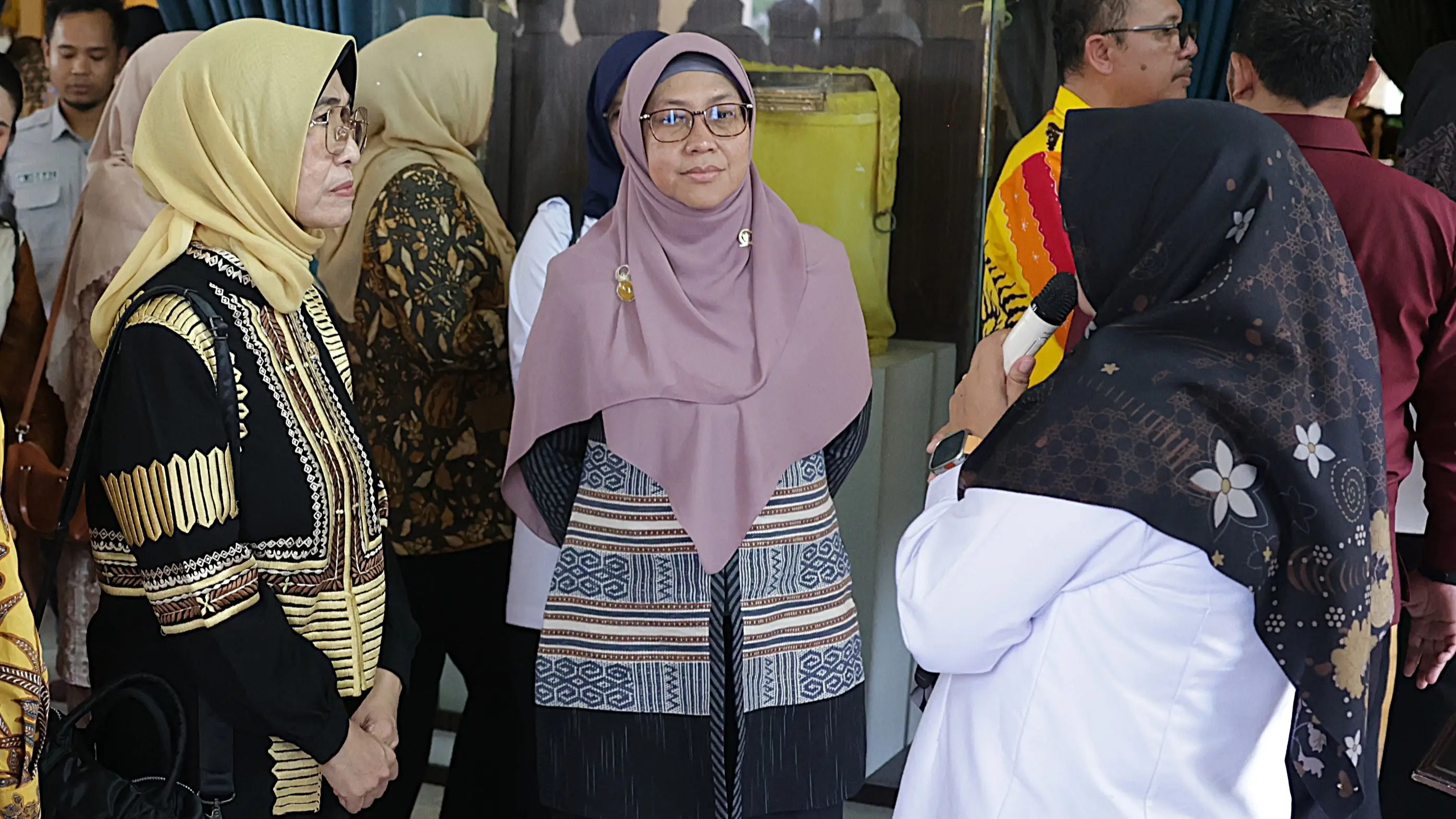
In fact, Ledia continued, maintaining cultural heritage is the government's responsibility. Therefore, she encouraged improvements to technical and implementation guidelines so that the fund could be used more flexibly to support the preservation of historic buildings.
"The cultural endowment fund should also be used for the maintenance of cultural heritage. The most important thing is that these buildings can be repaired immediately before the damage gets worse," she said.
Ledia further emphasized that the revitalization of cultural heritage sites cannot be delayed, as continued damage will increase restoration costs and endanger public safety. She revealed that several historic buildings in Siak have suffered damage and led to accidents. One two-story building is now closed because it is deemed unsafe for visitors.
"This must be addressed immediately, as quickly as possible. If left unchecked, not only will the history learning model be diminished, but the damage will also become more severe. In fact, some buildings have already claimed lives, and others are no longer permitted to be climbed due to their danger," she said.
During the meeting, Ledia stated that the Siak Regency Government has proposed a budget of approximately Rp14 billion (about US$775,000) for cultural heritage revitalization. However, she cautioned that the issue of cultural heritage preservation is not unique to Siak, as many historical sites across various regions face similar challenges, necessitating stronger policies and sustainable funding schemes.
"Siak is just one example. Many other regions also have cultural heritage sites in need of revitalization. Therefore, we need stronger policies so that cultural heritage preservation doesn't rely solely on the ministry's regular budget but is also supported by more sustainable funding schemes," she said.
News Recomendation
Loading latest news.....