



National Human Rights Commission Highlights Policy Implementation Gaps
- 20 Jul 2026 19:55 WIB
- Voice of Indonesia
Key Points
- Komnas HAM’s 2025 Human Rights Assessment revealed discrepancies between human rights policies and their implementation across ministries and institutions.
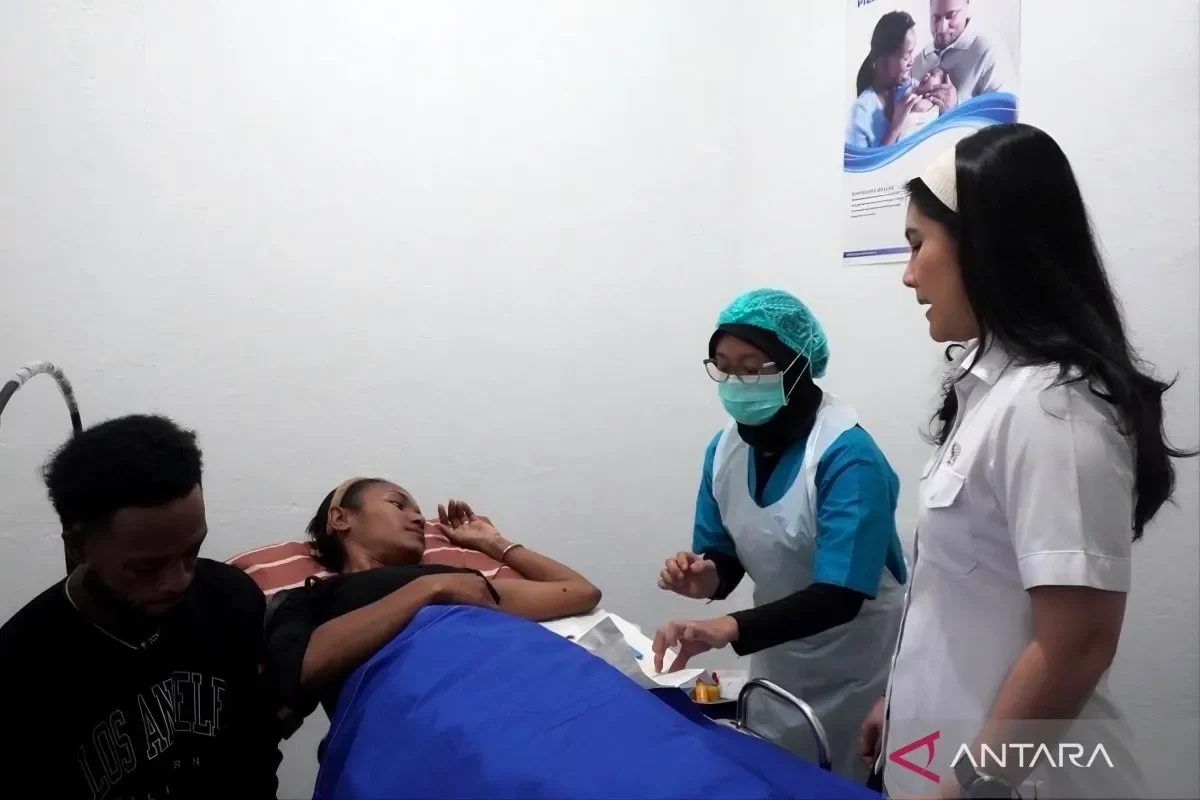
- BKKBN scored highest with 74.3 in the high category under the right to health theme.
RRI.CO.ID, Jakarta - The National Human Rights Commission (Komnas HAM) revealed gaps between policies and human rights implementation across ministries and institutions in its 2025 Human Rights Assessment.
Of the seven evaluated, only the National Population and Family Planning Board (BKKBN) achieved a high category, while the Ministry of Transportation remained in the low category.
Komnas HAM Chairperson Anis Hidayah said the assessment measures compliance with human rights standards by examining structural aspects (policies), processes (governance), and outcomes (program implementation).
Conducted for 2022–2024, the evaluation applies a human rights-based approach to policies, governance, and programs, focusing on the rights to health, education, work, and the environment.
“The assessment uses a human rights approach to evaluate ministries and institutions in implementing policies and programs for 2022–2024,” Anis said during an online press conference in Jakarta on July 20, 2026, as quoted on the commission’s official website.
The results show BKKBN scored 74.3 (high category) for the right to health. The Food and Drug Monitoring Agency (BPOM) scored 70.3, the Ministry of Religious Affairs 69.7, the Ministry of Environment 68.9, BPJS Kesehatan 67.1, and BPJS Ketenagakerjaan 65.5 -- all in the fair category.
The Ministry of Transportation scored 50.9 (low category) under the right to work, particularly in protecting crew members.
Komnas HAM noted that while ministries and institutions have regulations and programs that support human rights, gaps remain in their implementation. Areas requiring improvement include equal access to services, protection for vulnerable groups, oversight, coordination, data utilization, and complaint mechanisms.
The commission emphasized that public services must reach all levels of society without discrimination, including indigenous peoples, persons with disabilities, informal workers, ship crews, and communities in frontier, outermost, and disadvantaged (3T) regions.
Komnas HAM hopes the 2025 Human Rights Assessment will serve as a basis for evaluating ministries and institutions, improving governance, and ensuring it is more just, transparent, accountable, and oriented toward fulfilling human rights. ***
News Recomendation
Loading latest news.....