



Social Forestry Boosts Local Economies and Conservation
- 29 Jun 2026 22:40 WIB
- Voice of Indonesia
Key Points
- Social forestry has become a new economic source for communities.
- The program increases income, strengthens community involvement, and develops local businesses while preserving forests as long‑term livelihoods.
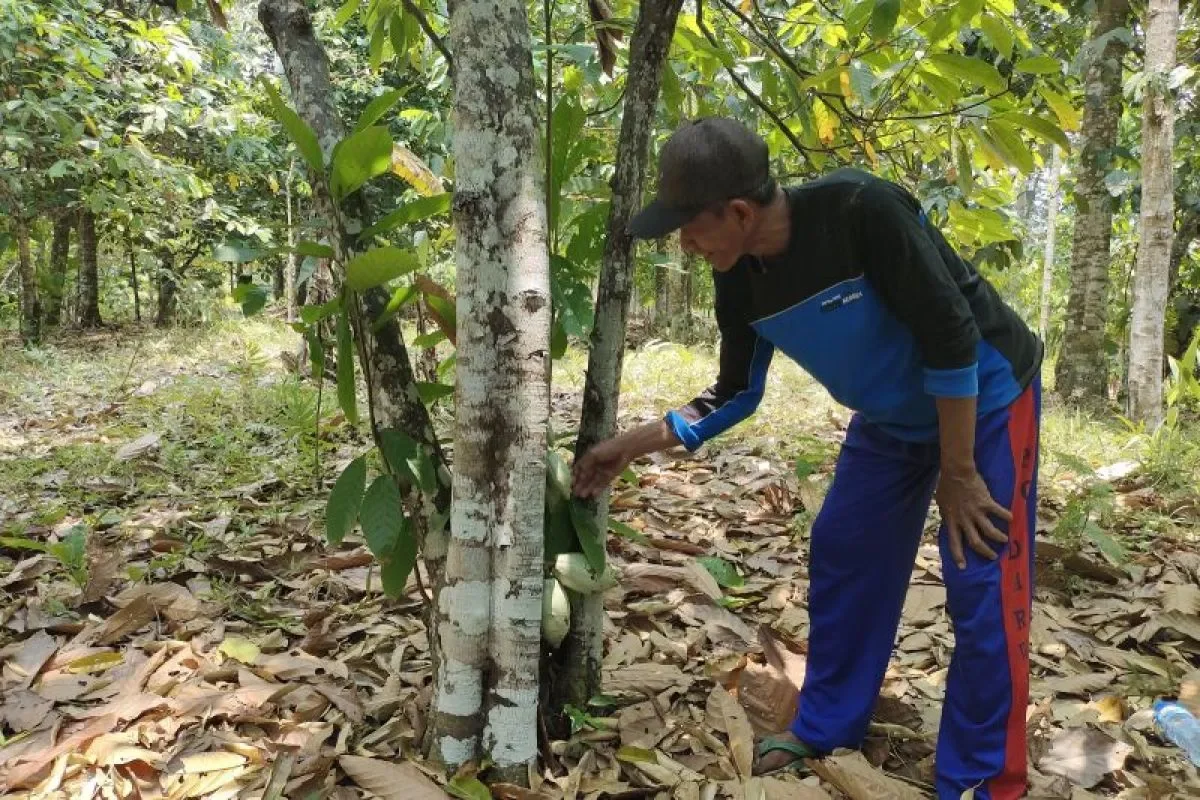
RRI.CO.ID, Jakarta – Communities across Indonesia are increasingly utilizing social forestry areas not only to preserve forests but also to develop productive businesses that generate income and create jobs.
Agroforestry, forest product processing, and community-based ecotourism are among the initiatives turning social forestry into a new source of livelihood.
The Social Forestry Program is part of the government’s effort to support food security and reduce poverty by providing legal access and assistance to communities in and around forest areas. This support ensures business security while enabling communities to develop enterprises that absorb labor and increase income.
“The Social Forestry Program has created 30 percent of new jobs that previously did not exist in communities around and within forest areas,” said Director General of Social Forestry at the Ministry of Forestry, Catur Endah Prasetiani, in Jakarta on Monday, June 29, 2026, as quoted by Antara.
Endah explained that the program allows communities to utilize forest products and develop value-added businesses. Several Social Forestry Business Groups (KUPS) have even advanced to the Platinum category, meaning they are capable of independently managing businesses, employing workers, and marketing products outside their regions.
“Platinum means they can manage social forestry not only for their own livelihoods, but also recruit new workers and sell their products outside the region,” she said.
One example is the Rimba Sejahtera KUPS in Siak Regency, Riau, which is developing agroforestry on peatlands by cultivating pineapples and vegetables as alternative sources of income to oil palm plantations.
Head of Rimba Sejahtera KUPS, Mustain, said agroforestry provides new business opportunities and creates jobs for local residents. “The benefits of additional income from agroforestry activities are certain,” he said.
Women’s farming groups are also involved. Yurmayanti, a representative of the Rimba Sejahtera women’s group, said membership has grown from 10 to around 16 since the program began.
Members actively participate in planting, maintenance, harvesting, and marketing, earning an additional 20–30 percent of their income from vegetable and pineapple sales. “As for the income impact for the women, thank God, it has been very impactful,” she said.
Communities are also developing value-added products. Coffee beans are processed into green beans, roasted, and served in coffee shops, while candlenuts are turned into oil and derivative products, creating new opportunities in marketing and group management.
Social forestry has expanded into community-based ecotourism as well. The Pesona Alam Leuwi Hejo Cooperative in Bogor Regency, West Java, has successfully managed a natural tourism area, with local residents serving as managers and entrepreneurs.
The secretary of the cooperative, Aris Munandar, said that about 90 percent of tourism managers and business owners are from the surrounding community. He believes ecotourism not only increases local income but also encourages communities to preserve forests as sources of livelihood.
The Ministry of Forestry hopes more communities will adopt the social forestry scheme to develop sustainable forest-based businesses. With continued mentoring and partnerships, the program is expected to improve community welfare while maintaining the ecological function of forest areas. ***
News Recomendation
Loading latest news.....