



Key Points
- Indonesian government warns the El Niño phenomenon could trigger drought, forest and land fires, and crop failure.
- The Coordinating Ministry for Human Development and Culture has urged local administrations to ensure disaster‑mitigation facilities and infrastructure are ready for deployment.
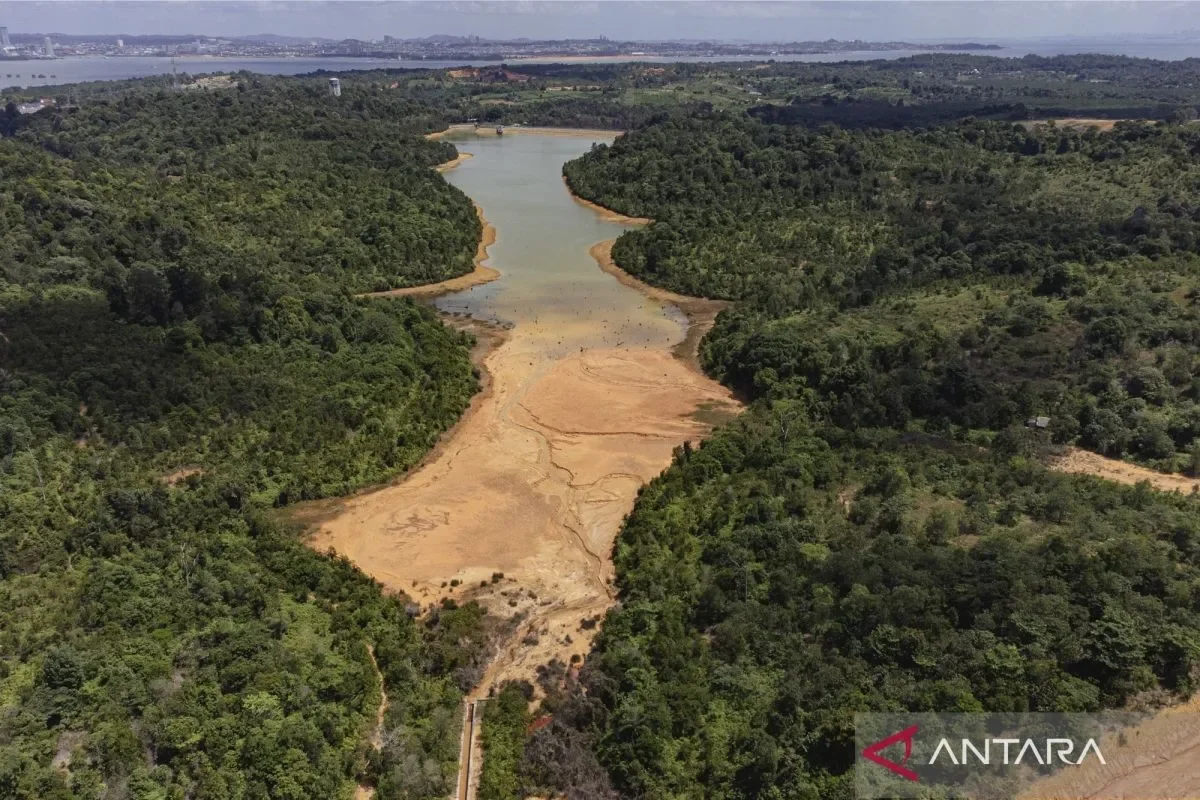
RRI.CO.ID, Pacitan - The Indonesian government has warned that the El Niño phenomenon could heighten the risk of drought, forest and land fires, crop failure, and disrupt food security.
Local administrations are urged to strengthen preparedness and cross‑sector collaboration in anticipation of a prolonged dry season.
“El Niño reduces rainfall, triggering a longer dry season. This must be anticipated because it increases the risk of disasters, especially drought and fires,” said Deputy for Disaster Management and Social Conflict Management at the Coordinating Ministry for Human Development and Culture, Lilik Kurniawan, during the East Java Regional Disaster Mitigation Agency (BPBD) equipment display in Pacitan Regency on Wednesday, July 22, 2026, as quoted by Antara.
Lilik added that the extended dry season could also increase cases of acute respiratory infections (ARI) due to air pollution and disrupt agriculture by causing drought in rice fields and plantations.
“These conditions can impact food security and must be a shared concern,” he said.
The Coordinating Ministry for Human Development and Culture has asked local administrations to ensure the readiness of disaster mitigation facilities and infrastructure, including water tankers, supporting equipment, and human resources, so they can be quickly deployed in the event of drought.
Lilik encouraged cooperation between regions, especially border areas, to deploy support more quickly. He stressed that disaster mitigation requires collaboration and should not be hindered by boundaries or budgets because public safety is the priority.
He further noted that budget efficiency policies must not obstruct emergency response efforts, as disaster management is directly linked to public safety.
Lilik emphasized that disaster mitigation also requires the involvement of multiple stakeholders -- government, academics, businesses, communities, and the media -- to strengthen capacity and accelerate response. ***
News Recomendation
Loading latest news.....