



Government Accelerates the Restructuring of the Energy Sector
- 26 Jun 2026 16:16 WIB
- Voice of Indonesia
Key Points
- Bahlil stated that the use of CNG has the potential to be more efficient because its usage cost is estimated to be 30 to 40 percent cheaper compared to LPG.
- the implementation of B50 serves as the foundation for the government's target to gradually stop diesel imports
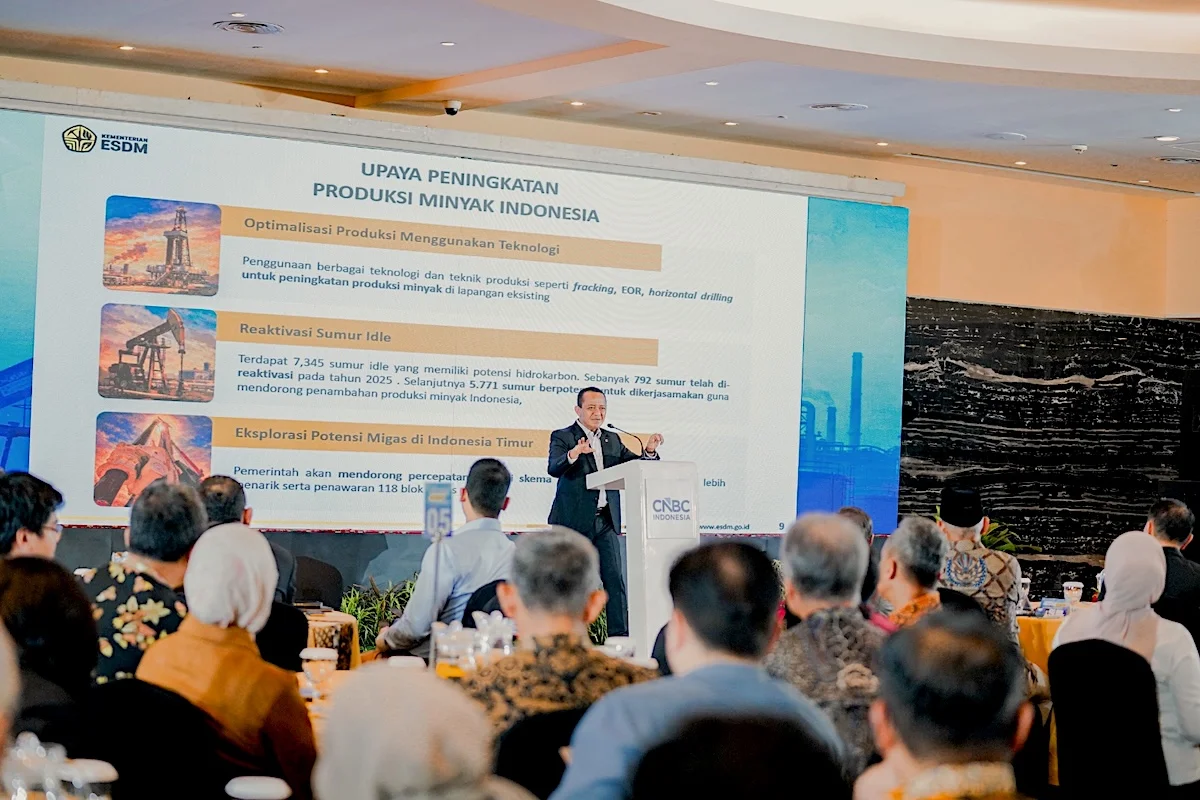
RRI.CO.ID, Jakarta - Indonesia's Minister of Energy and Mineral Resources (ESDM), Bahlil Lahadalia, considers the increasingly uncertain global geopolitical dynamics to be a major challenge for national energy resilience. According to him, the rapidly changing international situation can affect supply chains, energy prices, and energy policies in various countries.
At the CNBC Indonesia Energy Forum in Jakarta on Thursday, June 25, 2026, Bahlil likened the current geopolitical situation to a malaria disease that is difficult to predict in its development. "Geopolitics nowadays is like malaria." So if it gets better in the morning, by noon it's already starting to sweat cold. Today it can be peaceful, tomorrow it will appear again. "It's difficult for us to determine which baseline will be used as a reference," Bahlil said.
Facing these conditions, the government is preparing various strategic measures to reduce Indonesia's dependence on energy imports, including Liquefied Petroleum Gas (LPG), fuel oil (BBM), and crude oil.
One of the efforts being accelerated is the development of Compressed Natural Gas (CNG) as an alternative to the subsidized 3-kilogram LPG. This program is currently in its third trial phase and is expected to utilize the abundant domestic natural gas supply to reduce LPG imports.
According to him, the use of CNG has the potential to be more efficient because its usage cost is estimated to be 30 to 40 percent cheaper compared to LPG. In addition to reducing the subsidy burden, the program is also expected to save the country's foreign exchange.
"This LPG has no other way for us to reduce foreign exchange outflow and cut subsidies. There must be an energy mix, which is why we are now pushing for CNG," The Minister stated.
In addition, the government is also accelerating the implementation of the B50 biodiesel program, which is scheduled to be launched in July 2026. This policy is part of a strategy to reduce diesel imports while increasing the utilization of domestic palm oil raw materials.
"Tomorrow, in July, we will inaugurate B50. It will save Indonesia from its dependence on diesel imports," he conveyed.
He affirmed that the implementation of B50 serves as the foundation for the government's target to gradually stop diesel imports. In addition to strengthening energy resilience, the policy is expected to improve the trade balance and increase the added value of the national palm oil industry.
News Recomendation
Loading latest news.....