



Wolbachia Mosquito Expanded, A New Hope for Dengue Control
- 16 Jun 2026 16:19 WIB
- Voice of Indonesia
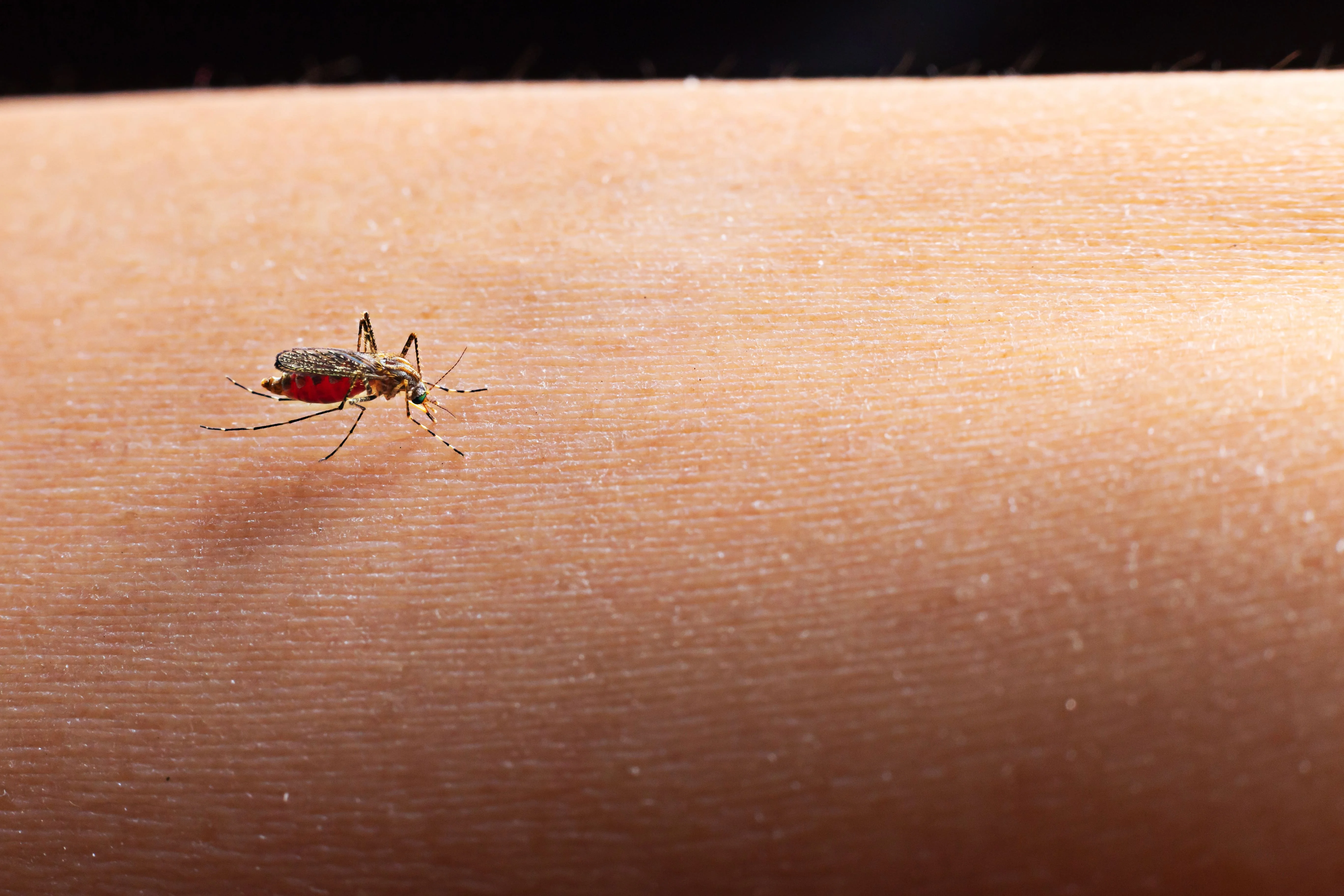
RRI.CO.ID, Jakarta — The Ministry of Health is expanding the implementation of Wolbachia technology to five cities as part of efforts to reduce dengue cases and support the target of zero deaths from the disease by 2030. Director of Infectious Diseases at the Ministry of Health, dr. Prima Yosefin, said the expansion follows promising results from earlier trials in Yogyakarta.
“In Jogja a few years ago, it was clearly proven to reduce incidence in the city by around seventy percent compared to before this innovation,” she said at the event “Indonesia Towards Zero Dengue Deaths 2030” held in Jakarta on Monday, June 15, 2026.
Currently, the Wolbachia program has been implemented in West Jakarta, Bandung, Semarang, Kupang, and Bontang, covering about seven million residents.
“We have started expanding to five cities, covering around seven million people,” she explained.
Wolbachia technology uses natural bacteria implanted into Aedes aegypti mosquitoes, significantly reducing their ability to transmit the dengue virus. Essentially, Wolbachia works by competing for the resources the virus needs to develop, making it struggles to reproduce inside the mosquito.
Once Wolbachia-infected mosquitoes are released, they mate with wild mosquitoes, gradually increasing the proportion of Wolbachia-carrying mosquitoes in the environment. Over time, this leads to a mosquito population dominated by Wolbachia, which reduces dengue transmission.
However, the Ministry of Health is still evaluating the program’s implementation in these five cities before deciding on further expansion. A comprehensive impact assessment is expected in 2027.
“Right now, implementation is still in the evaluation stage. This is still part of the trial for Wolbachia innovation before we expand more widely,” Prima said.
In addition to involving local governments, the Wolbachia program is supported by various stakeholders, including academics and development partners who assist with research and field monitoring. The Ministry hopes this innovation will become a key instrument in a more sustainable dengue control strategy, alongside PSN 3M+, vaccination, early detection, and healthcare service improvements.
News Recomendation
Loading latest news.....