



Parliament: Police Retirement Age Must Consider Health and Regeneration
- 08 Jun 2026 17:01 WIB
- Voice of Indonesia
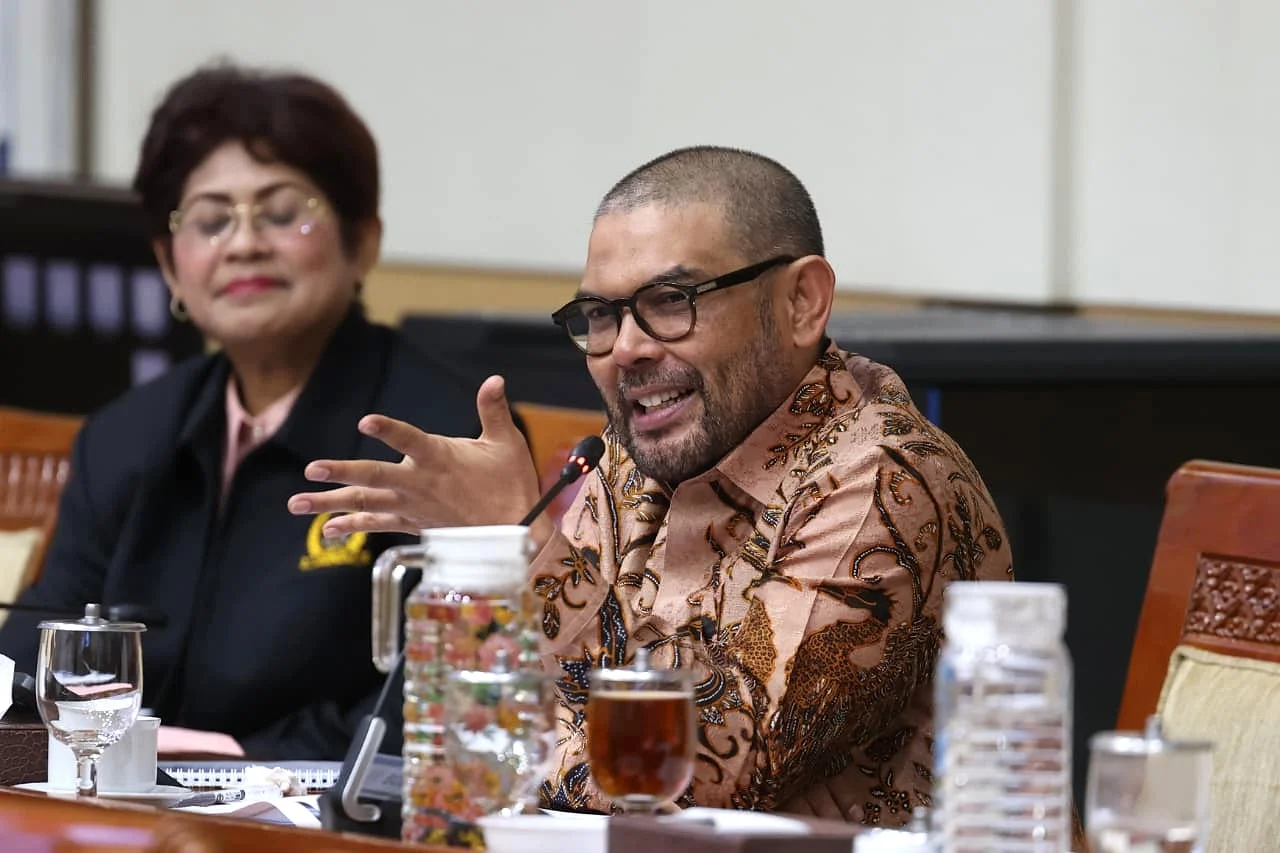
RRI.CO.ID, Jakarta - Member of Commission III of the Indonesian House of Representatives (DPR RI), Nasir Djamil, affirmed that discussions on the proposed amendment to the retirement age limit for members of the Indonesian National Police (Polri) should be based on a comprehensive study. He made the statement during a Working Committee meeting on amendments to the Police Bill at Nusantara II Building in Senayan, Jakarta, on Monday, June 8, 2026, as quoted by dpr.go.id.
He conveyed that this is particularly important in relation to health considerations, organizational needs, and human resource regeneration within the police force.
He also explained that retirement age practices in various countries differ according to the needs of their respective institutions. In fact, some countries apply a retirement age of up to 65 years, referring to standards used by the World Health Organization (WHO).
“If we refer to the WHO, the UN agency responsible for health, the retirement age is 65 years. Several countries have adopted this practice, including the Philippines,” Nasir stated.
He conveyed that current regulations set the retirement age for the Police personnel at 58 years, with the possibility of an extension up to 60 years for officers who possess specialized expertise and are still needed by the organization. Therefore, any proposed changes should carefully consider both the potential benefits and risks.
In addition, Nasir said that he had gained additional insights from experts’ presentations regarding health-related aspects, including potential illnesses, safety factors, and risks that personnel may face at an advanced age.
“These findings are important considerations in the policymaking process. I reviewed the presentation on benefits and safety, as well as the illnesses that people aged 60 and above may experience,” he said.
In addition to health considerations, Nasir also highlighted the importance of maintaining continuity in leadership and personnel regeneration within Polri. He believes that functional positions can provide opportunities for senior personnel to continue contributing by transferring their knowledge and experience to younger generations.
Therefore, he argued that discussions on the retirement age of Polri personnel should be grounded in data, scientific studies, and organizational needs.
“So that the resulting policy can strengthen the professionalism of the institution while also addressing future policing challenges,” he said.
News Recomendation
Loading latest news.....