
Soeharto Museum Fosters Historical Learning for Youth
- 08 Jun 2026 14:00 WIB
- Voice of Indonesia
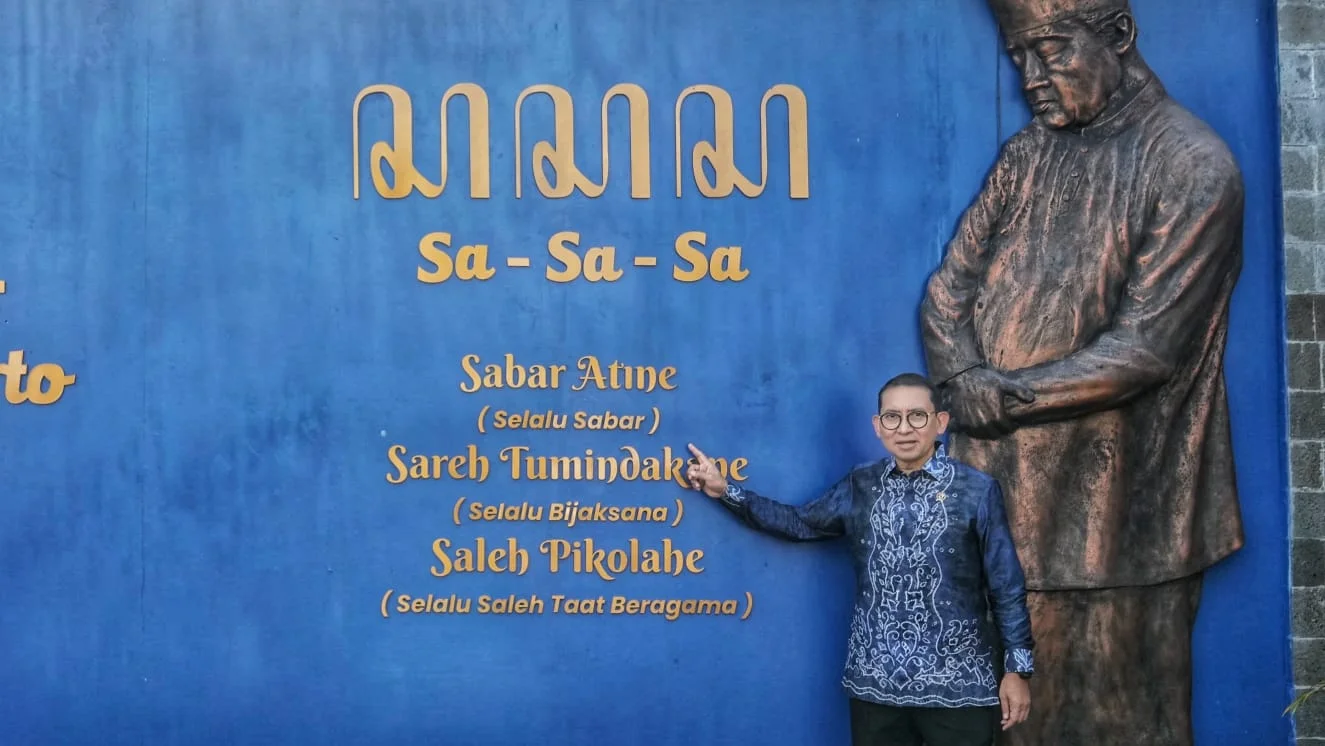
RRI.CO.ID, Jakarta - Indonesia's Minister of Culture, Fadli Zon, visited the General H.M. Soeharto Memorial Museum in Kemusuk, Bantul, Special Region of Yogyakarta, on June 5, 2026. The visit was part of the government’s efforts to strengthen the role of museums as centers for public education, historical preservation, and collective memory.
Located at the birthplace of Indonesia’s second President, the museum features collections, historical documents, and dioramas that trace the life of Soeharto. The exhibits cover his childhood in Kemusuk, his role in Indonesia’s struggle for independence, and his years of service as President of the Republic of Indonesia.
During the visit, Minister Fadli Zon, affirmed the importance of museums dedicated to national figures in helping the public understand the country’s history. He noted that the museum’s location at Soeharto’s birthplace provides a unique historical context for visitors.
“Mr. Soeharto played an important role in Indonesia’s history, particularly during the struggle to defend independence. This museum is significant because it stands in Kemusuk, where he was born, allowing people to see firsthand the environment that shaped the journey of a national figure,” he said.
The minister explained that the museum also highlights several key moments in Indonesian history, including Soeharto’s role as Commander of Wehrkreise III during the Dutch Military Aggression II. One of the major episodes presented is the March 1, 1949 General Offensive, which demonstrated to the international community that the Republic of Indonesia continued to exist and resist Dutch efforts to reestablish control.
According to him, the Indonesia’s struggle for independence was sustained not only through military resistance, but also through political and diplomatic efforts. He highlighted the contributions of the Emergency Government of the Republic of Indonesia in Sumatra and the guerrilla campaign led by General Sudirman as crucial elements in preserving the republic.
The museum also documents other significant chapters in Indonesia’s modern history, including the national developments surrounding the suppression of the 1965 G30S/PKI movement. These exhibits are intended to provide visitors with a broader understanding of the country’s historical journey.
The Ministry of Culture reaffirmed its commitment to revitalizing museums associated with key national figures. By strengthening museums as spaces for historical learning, the government hopes to help younger generations better understand Indonesia’s past and draw inspiration from the achievements and leadership of its national heroes.
News Recomendation
Loading latest news.....