



Key Points
- Indonesia’s 2026 financing strategy strengthens the domestic market, diversifies funding instruments, and ensures prudent debt management.
- The domestic government securities market posted a net inflow of IDR 13.4 trillion in April 2026, reflecting strong investor confidence.
RRI.CO.ID, Jakarta - The Indonesian government has made bond market deepening its primary focus in maintaining fiscal resilience amid global economic uncertainty.
Its 2026 financing strategy emphasizes strengthening the domestic market, diversifying funding instruments, and adopting more prudent debt management.
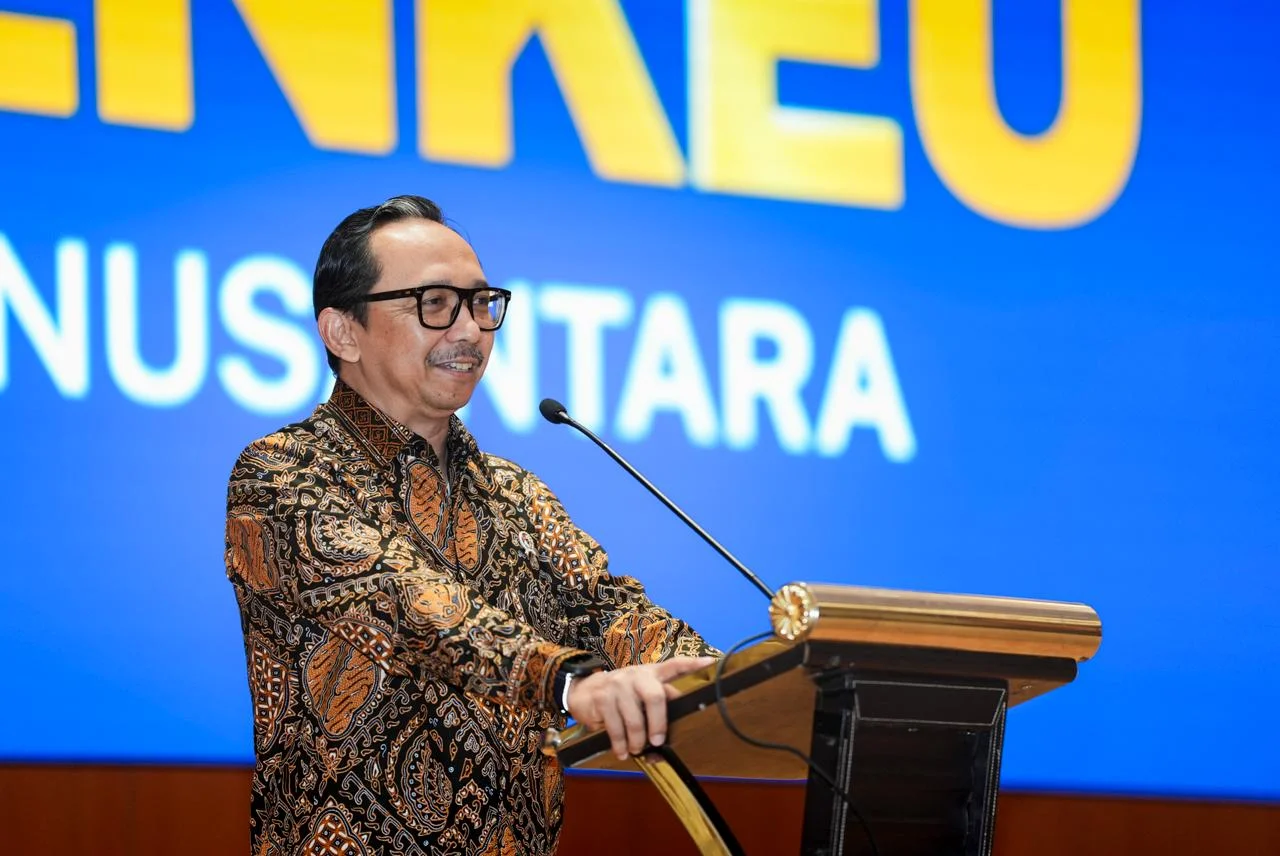
“Our 2026 financing strategy is based on three principles. First, we prioritize domestic debt, with 70 to 75 percent denominated in rupiah. Second is a careful currency mix, with 25 to 30 percent in foreign currencies. Third is active liability management,” Deputy Finance Minister Juda Agung said at the Indonesia Credit Spotlight 2026 in Jakarta on Wednesday, May 20, 2026, as quoted on the ministry’s official website.
Investor appetite for Indonesian government securities remains strong. Government bonds (SUN) were oversubscribed by 2.4 times, while state sharia securities (SBSN) reached 2.8 times. In April 2026, the domestic government securities (SBN) market recorded a net inflow of IDR 13.4 trillion.
On the global stage, Indonesia achieved several financing milestones. The government successfully issued USD 2 billion in global sukuk, with demand nearly double the target, and ¥172 billion in Samurai Bonds. It is now preparing to issue Panda and Kangaroo bonds to broaden the investor base, reduce reliance on the U.S. dollar, and support rupiah stability.
Juda emphasized that the financing strategy is reinforced through interagency coordination, fiscal discipline, and greater transparency in state financing policies.
The government continues to collaborate with Bank Indonesia and the Financial Services Authority (OJK) through the Financial System Stability Coordination Forum (KSSK) to align monetary, prudential, and capital market policies.
“We implement active liability, prudent cash management, and timely disclosure. We welcome oversight from S&P and other institutions. We also coordinate closely with Bank Indonesia and OJK under the KSSK Forum. This ensures monetary, prudential, and capital market policies work hand in hand,” Juda concluded. ***
News Recomendation
Loading latest news.....