



Indonesia Positions Museums as Drivers of Identity and Cultural Economy
- 18 Mei 2026 14:22 WIB
- Voice of Indonesia
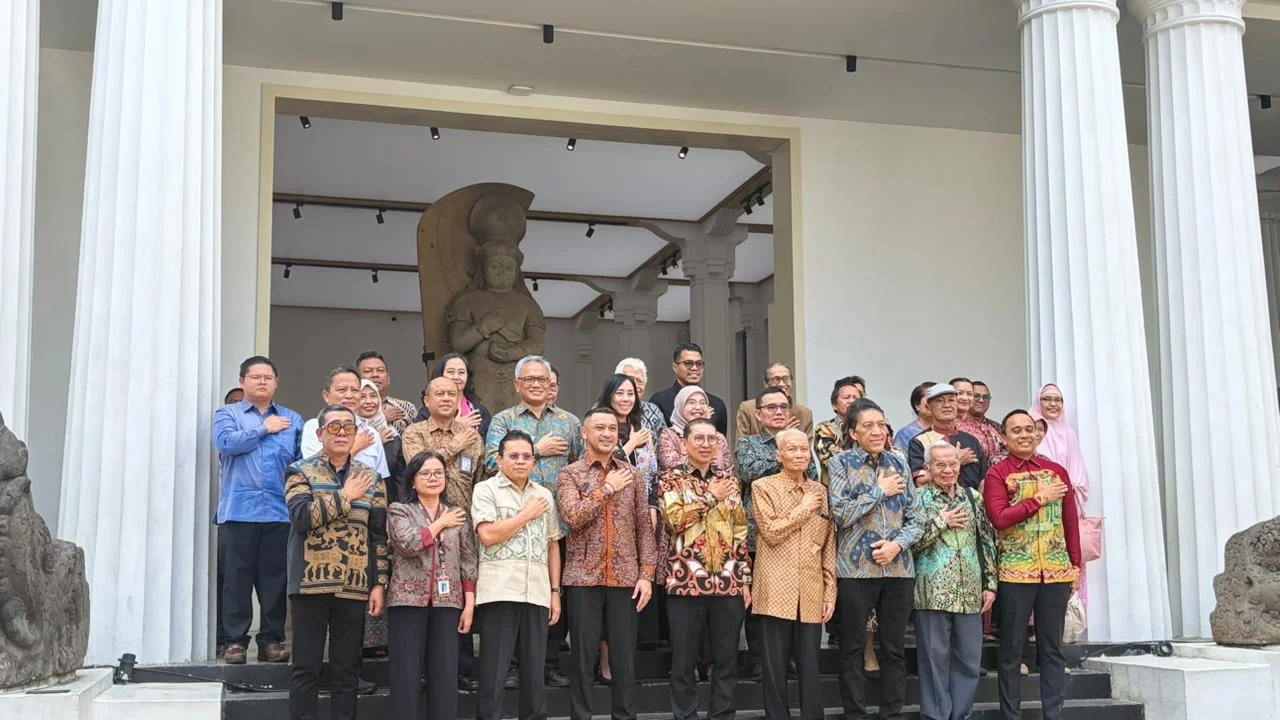
RRI.CO.ID, Jakarta - Indonesia’s Minister of Culture, Fadli Zon, emphasized that museums must be viewed as key institutions for preserving collective memory, advancing knowledge, and strengthening the nation’s historical dignity. He delivered the statement during the Cultural Oration for International Museum Day 2026 at the Museum Nasional Indonesia Jakarta, Monday, May 18, 2026.
According to him, Indonesia was built through centuries of cultural encounters and exchanges shaped by maritime civilization, language diversity, and shared traditions. He highlighted Indonesia’s vast cultural wealth, which includes 1,340 ethnic groups and 718 local languages spread across the archipelago.
“Indonesia is a nation that from the very beginning grew through encounters. We were shaped by maritime civilization, the exchange of knowledge, the intersection of languages, local wisdom, and the practice of living together in diversity,” Fadli Zon conveyed.
He noted that Indonesia currently has 2,727 registered intangible cultural heritage elements and 313 nationally recognized cultural heritage sites. In addition, archaeological and paleoanthropological discoveries continue to strengthen the archipelago’s position as one of the world’s important centers of human evolution and civilization.
Minister Fadli Zon, explained that nearly 60 percent of the world’s Homo erectus fossil discoveries were found in the Indonesian archipelago. He also highlighted the discovery of the world’s oldest cave painting, estimated to be 67,800 years old, in Liang Metanduno, Muna, Southeast Sulawesi, announced earlier this year.
During his speech, the minister outlined four major foundations for Indonesia’s museum policy. One of them is positioning museums as instruments for shaping national identity and preserving cultural heritage across generations.
“A great nation is not defined solely by physical infrastructure, but by its ability to preserve heritage and transmit it across generations. Museums transform heritage into narratives of national identity and confidence,” he stated.
Fadli Zon also described museums as civic spaces capable of strengthening social cohesion amid growing polarization and fragmentation. According to him, museums provide healthy spaces for people to learn, understand different contexts, and respect diversity.
He further emphasized the importance of museums in restoring cultural sovereignty through the repatriation of Indonesian cultural heritage from abroad. One of the major milestones achieved in 2025 was the return of more than 28,000 fossils and archival collections from the Dubois collection in the Netherlands.
Beyond preservation, the minister stressed that museums should become upstream infrastructure for Indonesia’s cultural economy. Museums, he said, can support cultural industries such as film, animation, gaming, fashion, culinary arts, and digital creative content rooted in Indonesia’s cultural heritage.
The Minister pointed to international examples showing how museums contribute significantly to economic growth. In the United States, for example, museums support more than 726,000 jobs and contribute around 50 billion US dollars annually to the national economy.
The Ministry of Culture is also strengthening museum and heritage site management through the Public Service Agency scheme. In 2025, more than 4.3 million people visited museums and cultural heritage destinations managed by the ministry, and the government expects those numbers to continue rising in the coming years.
News Recomendation
Loading latest news.....