



People's School Program Targets Dropouts and Families in Extreme Poverty
- 03 Mei 2026 20:41 WIB
- Voice of Indonesia
Key Points
- The People’s School Program focuses on direct outreach to families living in extreme poverty, expanding access to boarding schools across Indonesia.
- Indonesia plans to open 97 permanent People’s School buildings by July 2026, expanding access to education for children from poor and vulnerable families nationwide.
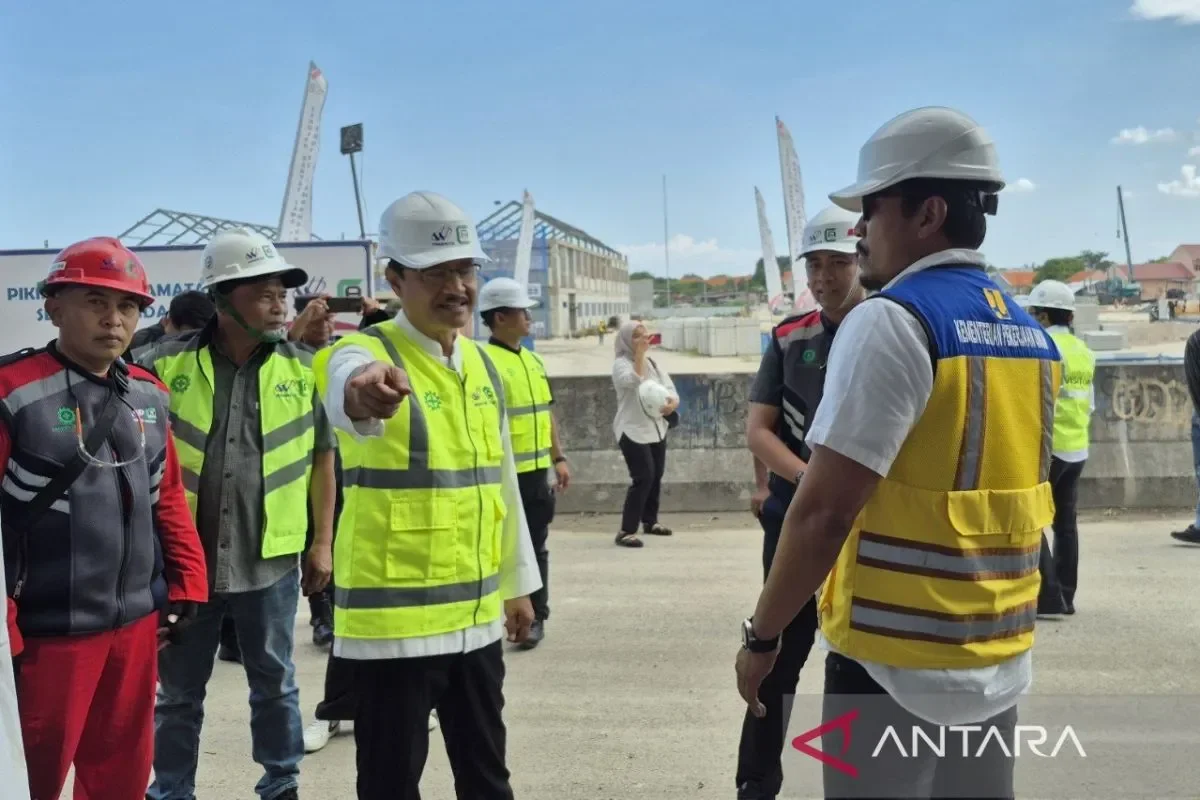
RR.CO.ID, Surabaya - Social Affairs Minister Saifullah Yusuf said the People’s School Program prioritizes school dropouts and families living in extreme poverty through a direct outreach system that expands access to boarding schools across Indonesia.
The program proactively targets at‑risk children rather than waiting for applicants. This is the government’s primary strategy to reach children facing economic disadvantages and those vulnerable to dropping out of school.
“People’s schools do not open registrations. We reach out to children who are not in school, have never attended school, have dropped out, or are at risk of dropping out,” Saifullah Yusuf said in Surabaya on Sunday, May 3, 2026, as quoted by Antara.
People’s Schools differ from public schools by adopting a boarding school concept and focusing on children from the lowest socioeconomic brackets (deciles one and two).
“Many of these students were previously buskers and scavengers who had to beg for money to go to school. Some dropped out, and others never attended school at all,” he said.
He noted that the first three months of learning are the most challenging because students come from diverse backgrounds and academic levels. Some high school students cannot read, requiring teachers to provide intensive support.
“They can’t read yet. This is a challenge that teachers must address to the best of their ability,” he said.
Teaching staff is selected through a rigorous process to meet diverse learning needs and support students’ academic and personal growth.
The results are beginning to show. This year, more than 400 students graduated from People’s Schools, including 11 high school students projected to either continue their education or enter the workforce as skilled workers.
“If they pass the exam, they have two options: pursue higher education, supported by government scholarships, or become skilled workers,” he said.
Graduates are expected to have a positive impact on their families and communities, serving as agents of change.
To expand the program, the government is building dozens of permanent facilities across various regions, scheduled to begin operating by mid‑2026. These will include dormitories, libraries, laboratories, health units, and extracurricular facilities.
The government aims to open 97 permanent People’s School buildings by July 2026, each designed to accommodate around 1,000 students at the elementary, junior high, and high school levels.
Minister Saifullah Yusuf emphasized that the People’s School Program was initiated under President Prabowo Subianto’s directive to help children from underprivileged families, including those who have dropped out or are at risk of dropping out.
The program seeks to promote educational equity for disadvantaged children, providing proactive support to break the cycle of poverty. ***
News Recomendation
Loading latest news.....