



Cooperatives Positioned as Key Drivers in Indonesia’s Solar Energy Transition
- 24 Apr 2026 15:12 WIB
- Voice of Indonesia
Key Points
- The Ministry of Energy and Mineral Resources sees cooperatives as strategic in managing and promoting community energy use, supporting the 100 GW Solar Power Plant (SPP) Program.
- The Rumah Energi Foundation, a non-profit focused on advancing community-based renewable energy solutions, is expanding its support for cooperatives through the Green Cooperative Program.
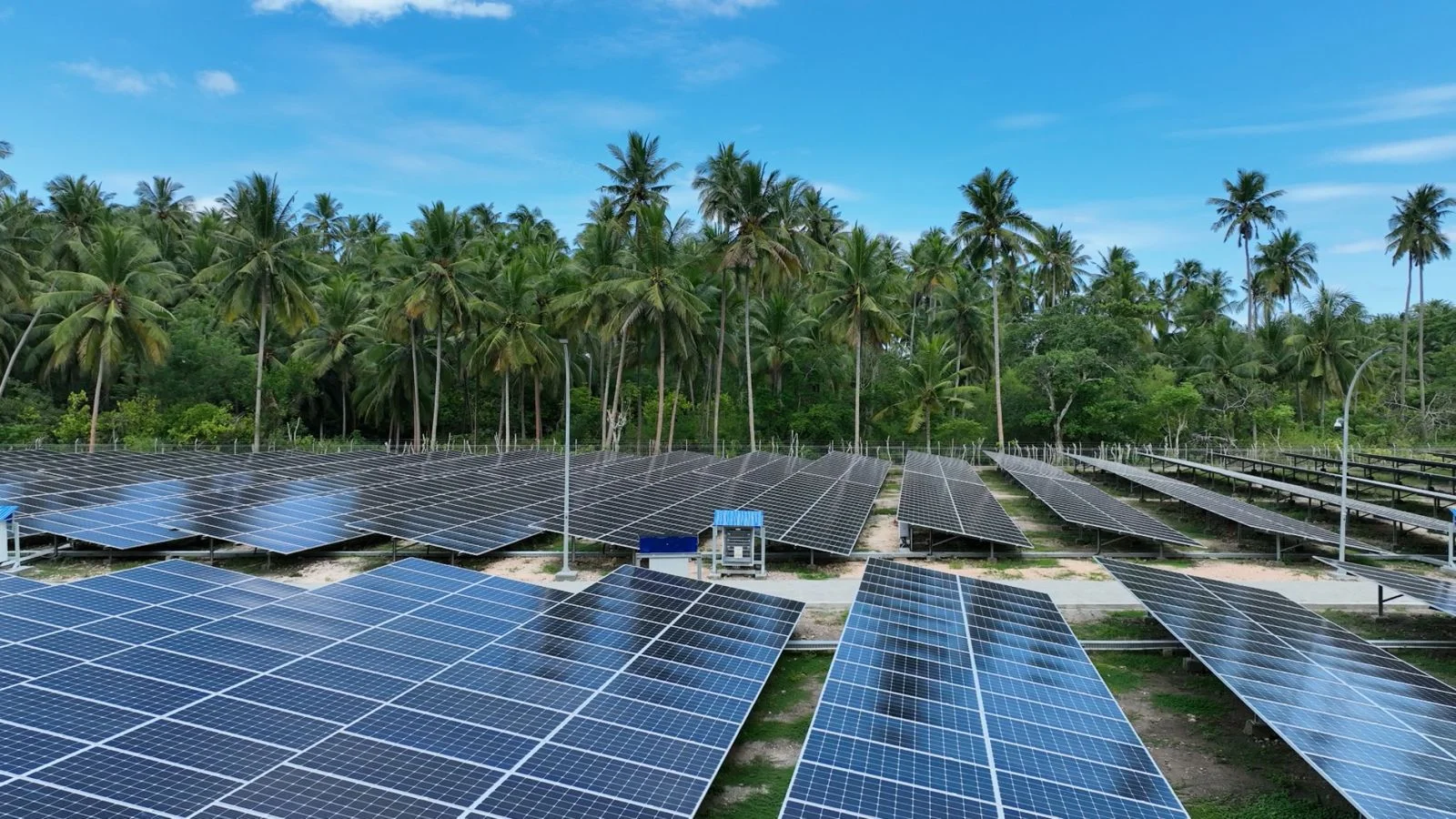
RRI.CO.ID, Jakarta - Indonesia’s national solar energy acceleration initiative, is beginning to position cooperatives as key actors at the grassroots level. The government views this approach as essential to ensuring a balance between energy supply and demand.
The Ministry of Energy and Mineral Resources (ESDM) believes cooperatives can manage and encourage community energy consumption. This role is considered strategic in supporting the 100 Gigawatt (GW) Solar Power Plant (SPP) Program.
“The development of renewable energy must consider the balance between supply and demand. Cooperatives can serve as both managers and drivers of community energy needs,” said Trois Dilisusendi, Head of the Center for Electrical Survey and Testing at the Directorate General of New, Renewable, and Energy Conservation (EBTKE), in a statement received in Jakarta on Friday, April 24, 2026, as quoted by Antara.
Consistent with this, the Rumah Energi Foundation, a non-profit organization focused on advancing community-based renewable energy solutions, is expanding its support for cooperatives through the Green Cooperative Program, which has reached more than 150 cooperatives to strengthen community-based energy transition.
This initiative supports the implementation of the 100 GW Solar Power Plant National Strategic Project (PSN), which prioritizes inclusive community involvement and integrates Environmental, Social, and Governance (ESG) principles into cooperative operations.
“Cooperatives have great potential as drivers of the energy transition at the community level, and their role needs to be strengthened through appropriate policies, feasible business models, and adequate financing support,” said Rumah Energi Executive Director Sumanda Tondang.
On-site assessments conducted under the “Just Energy Transition in Indonesia Based on Community-Based Renewable Energy (TERBIT)” project revealed gaps between national policy frameworks and implementation needs, particularly in business models, technical readiness, access to financing, and cross-sectoral coordination.
To address these challenges, Rumah Energi organized the “Green Cooperative Solar Initiative Dialogue” forum, designed as a platform for cross-stakeholder collaboration to strengthen the national solar power ecosystem.
“In the future, we hope this dialogue goes beyond discussion and leads to the development of cooperative-based solar power plant pilot projects that can be widely replicated. This is a concrete step toward ensuring a just and inclusive energy transition in Indonesia,” said Sumanda. ***
News Recomendation
Loading latest news.....