



President Prabowo’s Three New Policies to Boost Food Security
- 17 Apr 2026 19:37 WIB
- Voice of Indonesia
Key Points
- Indonesian government is building a sustainable ecosystem to strengthen food production and national resilience.
- President Prabowo’s three new regulations stress the need for self‑sufficiency beyond rice fields, focusing on infrastructure, governance, and distribution.
RRI.CO.ID, Jakarta - The Indonesian government has begun shifting its food policy focus from production alone to strengthening the entire system. Through three new regulations, President Prabowo Subianto emphasized that self‑sufficiency depends not only on rice fields but also on infrastructure, governance, and distribution. Areas that have often been weak points.
This shift is reflected in the issuance of Presidential Regulation (Perpres) No. 14/2026 on accelerating post‑harvest infrastructure provision for national food security, along with two Presidential Instructions (Inpres): Inpres No. 2/2026 on accelerating food self‑sufficiency in the agricultural sector to achieve national resilience and independence, and Inpres No. 3/2026 on domestic corn procurement, management, and distribution of government corn reserves for 2026–2029.
Quoting the State Secretariat's official website, these three regulations form an integrated policy designed to accelerate national food security.
Perpres No. 14/2026 addresses a frequently overlooked issue: post‑harvest infrastructure. Limited warehouses, storage facilities, and distribution networks have often resulted in suboptimal harvests and dependence on third parties.
The government is now pushing to accelerate the development of these facilities by involving local administrations and relevant ministries in the licensing and land-acquisition processes.
Inpres No. 2/2026 demonstrates a systemic approach by encouraging cross‑ministry collaboration rather than sector‑based operations. It focuses on increasing domestic production, improving distribution, and shifting consumption patterns.
Self‑sufficiency, the regulation emphasizes, must come from an integrated ecosystem rather than a single production target. State‑owned food enterprises are given strategic roles across agriculture, fertilizers, and logistics, with special assignments to accelerate program implementation and overcome obstacles that have hindered progress.
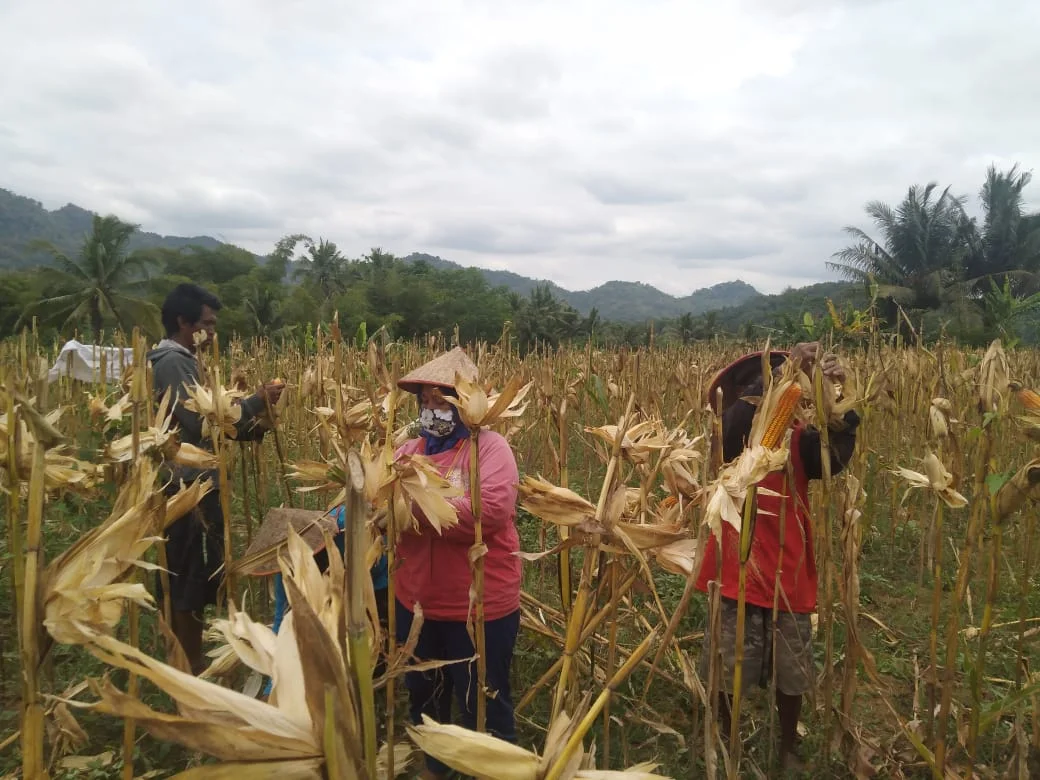
Inpres No. 3/2026 targets corn, a crucial staple for both food and industry. The government aims to strengthen national stocks, stabilize prices, and improve farmer welfare. The regulation involves multiple ministries, agencies, and state‑owned enterprises, reflecting a national strategic approach to food security.
Overall, these three policies mark a shift from focusing solely on production to a comprehensive reform of the food system. The challenge now lies in implementation, ensuring coordination, expediting bureaucratic reform, and resolving technical obstacles that have often hindered similar programs. ***
News Recomendation
Loading latest news.....