



BMKG Dismisses Misleading Terms in 2026 Dry Season Forecast
- 14 Apr 2026 18:45 WIB
- Voice of Indonesia
Key Points
- BMKG said the 2026 dry season is drier than average but not record‑breaking, rejecting unscientific labels such as “Godzilla Drought.”
- The agency urged stronger mitigation efforts, particularly to safeguard clean water supplies and ensure sustainable food production.
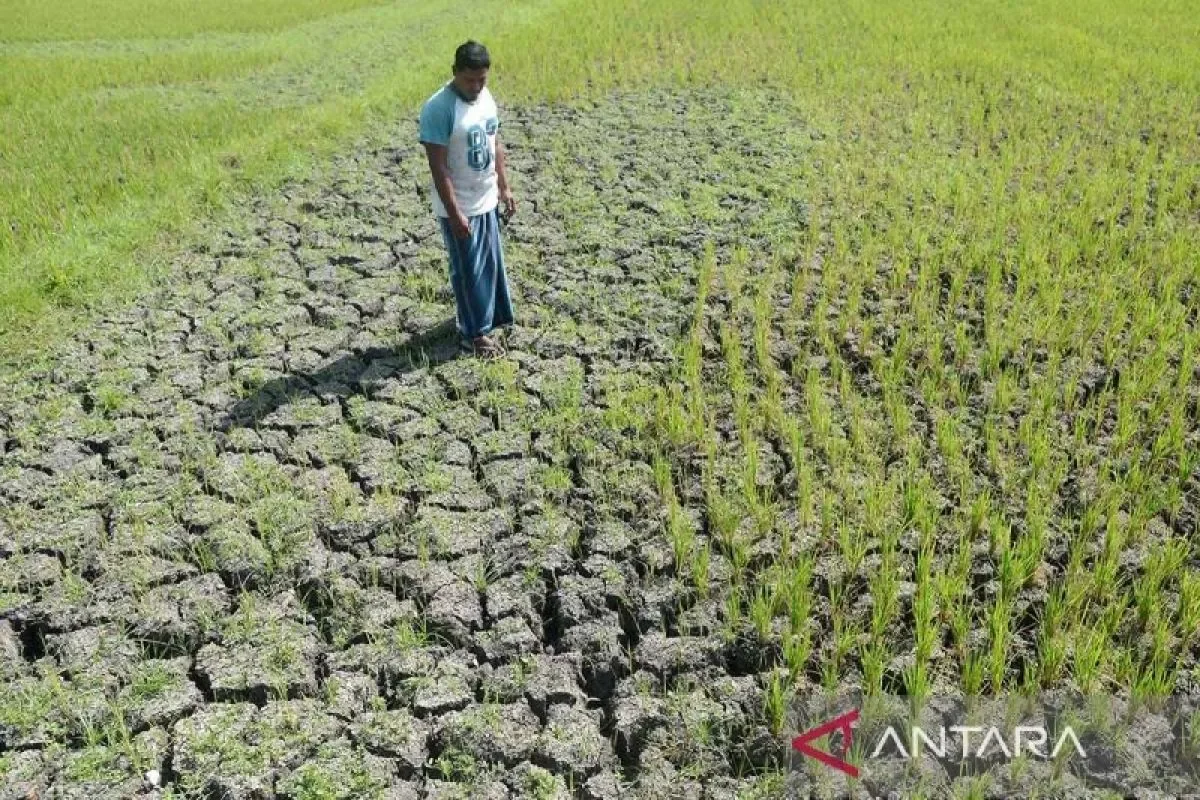
RRI.CO.ID, Jakarta - The Meteorology, Climatology, and Geophysics Agency (BMKG) urged the public not to be misled by exaggerated narratives about the 2026 dry season.
Officials stressed that rather than panicking over unofficial terms, people should focus on mitigation measures for conditions predicted to be drier than usual.
BMKG’s Director of Climate Change, Fachri Rajab, dismissed unscientific labels such as “Godzilla Drought” and “El Niño Godzilla,” describing them as exaggerated and potentially panic‑inducing.
He emphasized that the current phenomenon remains within the scope of scientific explanation. “Compared with the 30‑year average, this year’s dry season is relatively drier. However, ‘drier than average’ does not mean the worst dry season in 30 years,” Fachri said at the Observing Today, Protecting Tomorrow event marking the 76th World Meteorological Day at the West Java Climatology Station in Jakarta on Tuesday, April 14, 2026, as quoted by Antara.
He noted that the droughts of 1997 and 2015 were far more severe, though this year’s conditions are expected to be drier than in 2023.
The current dry season is influenced by an active El Niño phenomenon that began in late April to early May, reducing rainfall intensity across Indonesia. “It is important to understand that El Niño and the dry season are not the same. El Niño affects the intensity of the dry season, but it does not cause it,” he explained.
Indonesia, he added, experiences dry seasons every year due to its tropical climate, which alternates only between rainy and dry periods.
Because this year’s dry season coincides with El Niño activity, rainfall has been relatively lower. At present, El Niño intensity is still categorized as weak, but BMKG analysis predicts it will strengthen to a moderate level in the third quarter of 2026, particularly in August, September, and October.
BMKG called on local administrations, the agricultural sector, and the public to strengthen mitigation measures, especially to safeguard clean water supplies and ensure sustainable food production. “This information must be taken seriously, but not excessively. The most important things are readiness and collaboration,” Fachri said.
He reiterated that BMKG does not use sensational terms and hopes the public will adopt a rational, data‑driven approach. “There is no such thing as ‘El Niño Godzilla’ or ‘El Niño King Kong.’ What exists are weak, moderate, strong, and very strong El Niño categories,” he said.
BMKG expects that with accurate information and coordinated action, Indonesians will be better prepared to face the 2026 dry season. ***
News Recomendation
Loading latest news.....