



Indonesia Moves to Contain Aviation Fuel Price Impact on Domestic Flights
- 08 Apr 2026 20:07 WIB
- Voice of Indonesia
Key Points
- The government aims to limit domestic airfare increases to between 9 and 13 percent to avoid burdening the public.
- Incentives are being prepared to mitigate the impact of rising global aviation fuel prices on airlines and passengers.
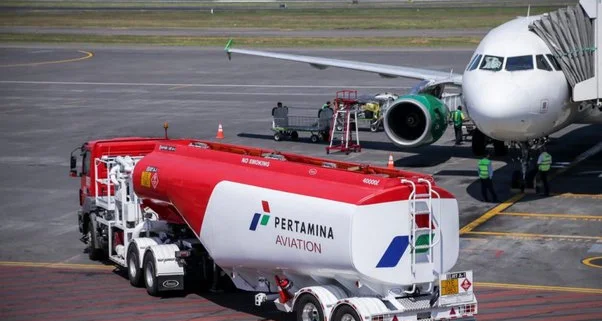
RRICO.ID, Jakarta - Secretary of State Prasetyo Hadi stated that the Indonesian government is working to mitigate the impact of rising global aviation fuel prices to avoid burdening the public and maintain the affordability of domestic flight tickets.
“It is clear that global aviation fuel prices have increased significantly. This will impact airline tickets, among other things,” Prasetyo said at the Presidential Palace Complex in Jakarta on Wednesday, April 8, 2026, as quoted by Antara.
He explained that the government is taking measures to keep ticket price increases under control and prevent disruptions to public mobility and the economy. Current policy focuses on striking a balance between global energy pricing and protecting public purchasing power.
Excessive tariff increases, he said, could severely affect movement and economic distribution between regions. “The government is ensuring that the impact on the public is not too significant,” Prasetyo added.
The government is targeting domestic airfare increases to remain within the range of 9 to 13 percent as a form of intervention. This policy was introduced in response to pressure on aviation fuel prices triggered by global geopolitical tensions, including conflict in the Middle East.
To achieve this target, the government has introduced several incentives. These include a government-backed value-added tax (PPN DTP) of 11 percent for economy-class tickets, which will be in effect for two months and evaluated based on global developments.
The government has also eliminated import duties on aircraft spare parts, setting the rate at zero percent. This measure is expected to reduce airline operational costs and encourage economic growth by increasing contributions to GDP and creating jobs.
In addition, the government has adjusted the upper limit for fuel surcharges. The maximum surcharge is now set at 38 percent for all aircraft types, including jets and propeller-driven planes.
Through these policies, the government aims to maintain affordable ticket prices, ensuring that public mobility is not disrupted and that national economic stability is preserved. ***
News Recomendation
Loading latest news.....