



A One-Day WFH Policy Needs to Be Reconsidered: Lawmaker
- 28 Mar 2026 05:56 WIB
- Voice of Indonesia
Key Points
- The Indonesian government has been urged to review its plan for a one-day work-from-home (WFH) policy covering civil servants (ASN) and private-sector workers.
- The proposed WFH arrangement must be reassessed to ensure it reflects on-the-ground conditions.
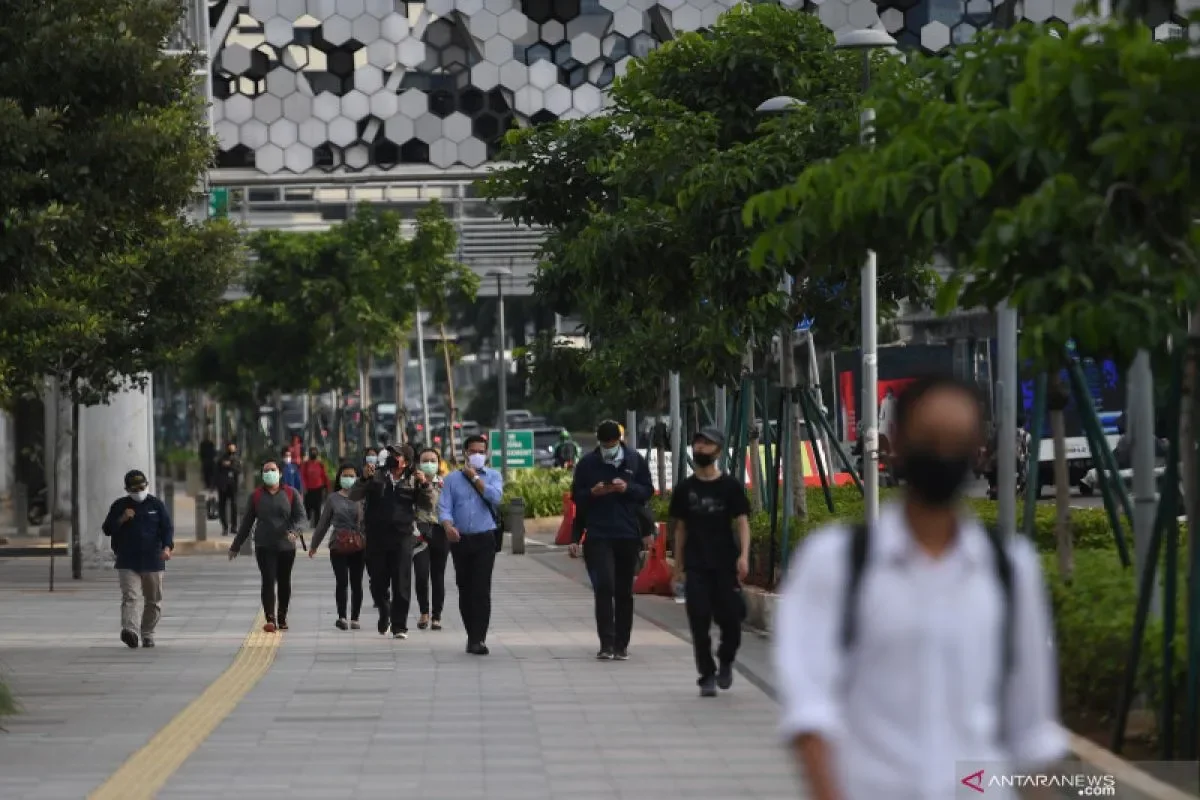
RRI.CO.ID, Jakarta - Indonesian House of Representatives Commission XII lawmaker, Ateng Sutisna, has urged the government to review its plan to implement a one-day work-from-home (WFH) policy each week. He said the government’s efficiency target of up to 20 percent must be reassessed to ensure it reflects actual conditions.
The WFH proposal is intended to reduce fuel consumption. Ateng noted that efforts to ease the energy subsidy burden are urgent amid global oil price pressures and geopolitical uncertainty.
“Policies must be based on thorough calculations and be well-targeted, not merely on assumptions. A one-day WFH policy may not necessarily be effective in reducing fuel consumption, as there is a potential for a shift in activities,” Ateng said in a statement on Friday, March 27, 2026.
He warned that an overly simplistic approach to analyzing energy consumption patterns risks missing the original objective. Without restrictions similar to those imposed during the pandemic, the public is expected to continue traveling.
If applied near weekends, the policy could even encourage more out-of-town mobility. “The rules may change, but people's mobility behavior won't necessarily change," he said.
Ateng also highlighted potential economic impacts. Reduced office activity, he said, could lower income for small businesses around work centers, from street vendors to ride-hailing drivers. “We must ensure that energy-saving policies do not end up hurting the small businesses that rely on daily activities,” he said.
He added that operational costs do not disappear but are shifted to households, such as higher electricity bills, raising questions about the policy’s effectiveness in conserving energy.
Ateng emphasized that energy conservation efforts should focus on reforming subsidy distribution. “The main issue isn’t just the volume of consumption, but who benefits from the subsidies,” he said.
He urged the government to tighten the distribution of subsidized fuel, including restricting its use for large-engine vehicles. Such measures, he argued, would have a more direct impact on reducing consumption without burdening lower-income groups. He also called for accelerating subsidy reforms to ensure energy assistance reaches those entitled to it.
Earlier, Coordinating Minister for Economic Affairs, Airlangga Hartarto, confirmed that the government would soon implement the WFH policy. He said the policy, to be introduced this month, would apply to both civil servants and private-sector workers. (Gusti Panji/Lasti Martina)
News Recomendation
Loading latest news.....