



Indonesia Bets on Quality Education to Build Human Capital for 2045
- 10 Feb 2026 12:44 WIB
- Voice of Indonesia
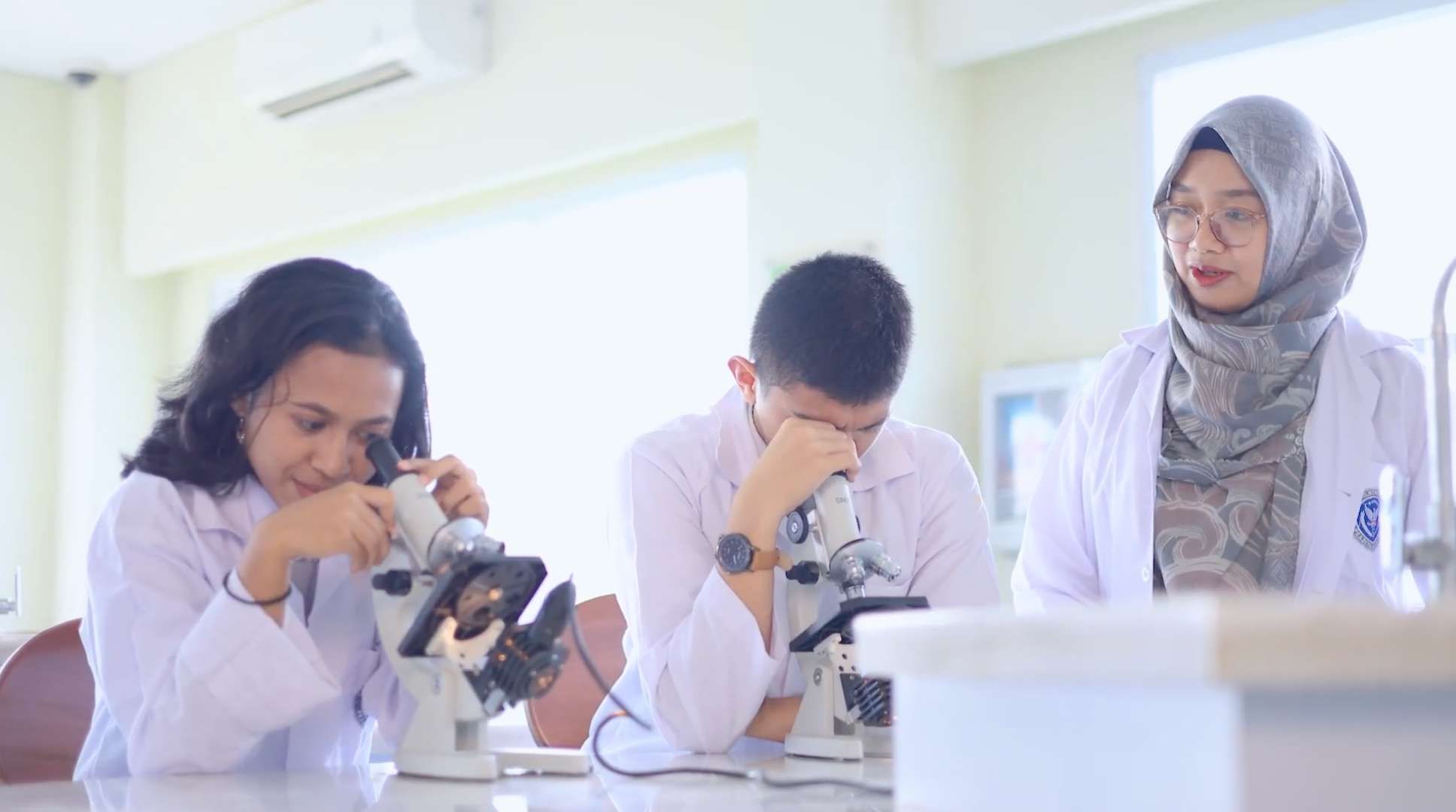
RRI.CO.ID, Jakarta - Indonesia is placing quality education at the center of its long-term development strategy as the country prepares for its demographic and economic transition toward its “Golden Indonesia 2045” vision.
The government reaffirmed this commitment during the 2026 National Consolidation (Konsolidasi Nasional) of the Elementary and Secondary Education Ministry, held on February 9, 2026, at the ministry’s Human Resources Development Center in West Java.
The three-day forum brought together policymakers, legislators, regional governments, and international partners to align education planning, financing, and implementation across the country.
The event highlighted Indonesia’s push to move beyond expanding access to schooling and toward improving learning quality, teacher competence, student well-being, and labor-market relevance.
Deputy for Human Development and Culture at the National Development Planning Agency (Bappenas), Pungkas Bahjuri Ali, said education and health are positioned as core development goals in Indonesia’s 2025–2045 Long-Term National Development Plan.
“Education and health are development objectives in themselves. Every citizen has the right to be healthy and educated,” Pungkas said, as quoted on the Elementary and Secondary Education Ministry’s official website.
He stressed that human capital development is a key pillar of Indonesia’s medium-term development agenda, alongside poverty reduction and sustainable economic growth. “In the long run, economic growth cannot be achieved without strong human capital,” he said.
Pungkas also pointed to persistent challenges in education quality linked to nutrition and child health, particularly stunting. According to him, poor nutrition directly affects children’s learning capacity and educational outcomes, making early intervention critical.
“Improving education quality must go hand in hand with better health and nutrition, especially during the first 1,000 days of life,” he said.
From a fiscal perspective, Finance Ministry Senior Advisor Sudarto emphasized that education quality is a constitutional right and must be supported by a robust ecosystem.
“Education is the right of all citizens. However, we cannot focus only on quantity. Quality must be our main concern,” Sudarto said, according to the ministry’s website.
He added that education outcomes should be linked to employment absorption and productivity. “Education must be performance-based, and one of the indicators is how well graduates are absorbed into the labor market,” he said.
Indonesia’s 2026 education budget of IDR 769.1 trillion (around USD 49 billion) reflects this approach. The allocation prioritizes student support, teacher welfare and competency development, school and campus revitalization, and learning-related programs such as the Free Nutritious Meals initiative, which the government sees as directly affecting learning outcomes.
Elementary and Secondary Education Minister Abdul Mu’ti said the government would continue and expand priority programs in 2026, including large-scale school revitalization, classroom digitalization, and teacher professional development.
“One of our key achievements is the school revitalization program, which reached 16,167 schools, exceeding the initial target,” Minister Abdul Mu’ti said.
He added that the Interactive Flat Panel (IFP) program, which equips schools with digital learning devices, has achieved full nationwide distribution. “Through a self-managed system, the program has been on target, on time, and has also helped stimulate local economies,” he said.
Looking ahead, Mu’ti said the government plans to expand revitalization efforts to 60,000 schools and gradually provide each school with at least three digital learning panels starting in 2026.
Teacher quality and welfare were also central to the agenda. In 2025, more than 804,000 teachers participated in professional certification programs, while thousands received academic qualification support. Teacher allowances for non-civil servant educators will increase starting in 2026.
“Teachers are the main key to education quality, and improving their welfare remains a priority,” Mu’ti said.
Beyond infrastructure and skills, Indonesia is also emphasizing character education. Programs such as the “Seven Habits of Great Indonesian Children” movement have been adopted by more than 170,000 schools nationwide, while new regulations aim to promote safe and inclusive school environments.
The consolidation forum was attended by around 900 participants from government institutions, parliament, regional administrations, civil society organizations, UNESCO representatives, and international development partners.
Closing the event, ministry officials stressed that achieving quality education for all requires sustained collaboration across sectors and levels of government.
“Quality education for all can only be achieved if all development partners actively work together to ensure that every Indonesian child receives quality learning services,” said Suharti, Secretary General of the Ministry. ***
News Recomendation
Loading latest news.....