



Kemenko-PMK Encourages Disaster Management Innovations Through Higher-Education Institutions
- 10 Feb 2026 09:14 WIB
- Voice of Indonesia
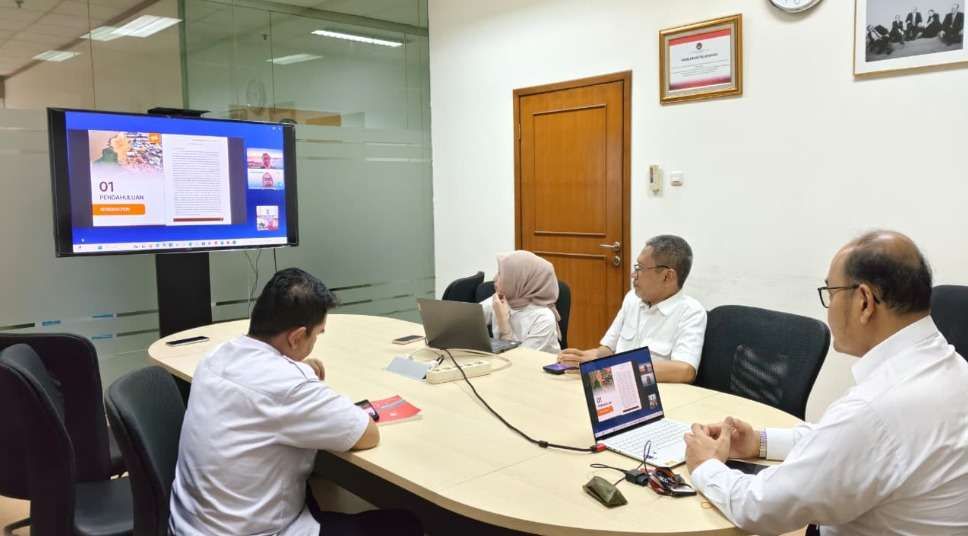
RRI.CO.ID, Jakarta - The Coordinating Ministry for Human Development and Cultural Affairs (Kemenko PMK) is encouraging the strengthening of innovations resulting from university research to support disaster risk reduction in Indonesia. The commitment was reaffirmed in an meeting with Gama Inovasi Berdikari, the downstream innovation company of Gadjah Mada University (UGM). As reported on the official website of the Coordinating Ministry for Human Development and Cultural Affairs on Tuesday, 10 February 2026.
The Assistant Deputy for Disaster Risk Reduction at the Coordinating Ministry for Human Development and Culture, Andre Notohamijoyo, emphasized the importance of strengthening links between academic innovation outcomes and real needs on the ground. According to him, the complexity of current disaster challenges demands the use of appropriate technology that can be accessed and utilized widely, especially by local governments and communities in disaster-prone areas.
"The synergy between the government and universities is key so that innovation does not stop in the academic realm, but truly has a real impact on disaster risk reduction," Andre stated.
In the meeting, Gama Inovasi Berdikari presented various technologies resulting from the research of UGM's academic community, including early warning systems, geospatial risk mapping, the use of drones for rapid assessment of affected areas, and solutions for providing clean water and emergency shelters post-disaster. All of these innovations are designed to be simple, affordable, and easy to operate, including in areas with limited infrastructure.
Andre welcomed the various solutions presented and assessed that domestically research-based innovations play a strategic role in strengthening national independence in disaster management. These innovations are considered relevant to addressing disaster challenges in various vulnerable areas, such as floods, landslides, earthquakes, and droughts.
Furthermore, the discussion also addressed the importance of strengthening the mechanisms for dissemination and adoption of innovations. One of the prominent ideas is the development of a digital platform that can showcase various disaster-related products and technologies resulting from university research, serving as a meeting space between innovation providers, local governments, disaster-affected communities, and development partners.
Andre emphasized that disaster risk reduction is not only focused on emergency response but also on the pre-disaster phase through mitigation, capacity building, and the use of technology. Therefore, continuous collaboration with universities and the innovation sector will continue to be strengthened as part of the national disaster risk management strategy.
This meeting serves as an initial step to explore further cooperation, including opportunities for integrating disaster innovation into government programs and strengthening a more coordinated, inclusive, and sustainable disaster innovation ecosystem.
News Recomendation
Loading latest news.....