



Lawmaker Highlights Vulnerability of Creative Workers Amid Industry Growth
- 29 Jan 2026 10:34 WIB
- Voice of Indonesia
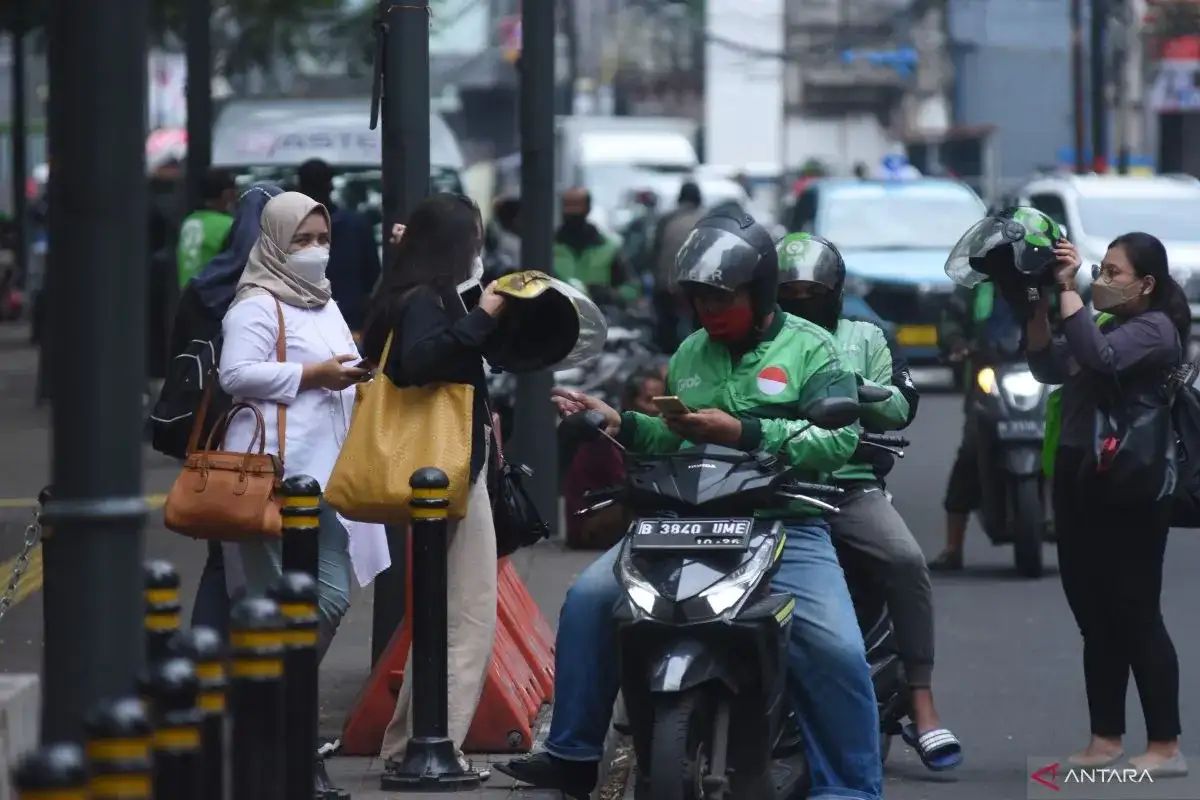
RRI.CO.ID, Jakarta: Lawmaker Novita Hardini of the Indonesian House of Representatives (DPR RI) Commission VII believes the state has not fully stepped in to protect creative workers, particularly freelancers and gig workers who dominate the creative economy sector.
The Indonesian Democratic Party of Struggle (PDIP) politician noted that Indonesia’s creative economy continues to grow and is often hailed as a backbone of the national economy. Yet, the livelihoods of creative workers remain precarious and insufficiently protected.
“The creative economy is expanding, but workers’ welfare is left behind. This paradox must be resolved immediately,” Novita said in her statement at the DPR RI building in Senayan, Jakarta, on Thursday, January 29, 2026.
She explained that most creative workers operate without long-term contracts or social security coverage, a situation worsened by the rapid adoption of artificial intelligence (AI).
“Throughout 2025, several creative subsectors faced waves of layoffs, especially in basic creative jobs increasingly replaced by automation. Technological transformation must not come at the expense of people. The state must ensure this transition is fair,” Novita emphasized.
She also pointed to the wide gap in access to social security for creative workers. Many freelancers remain outside the BPJS Employment scheme, leaving them without protection for workplace accidents, retirement, or pensions.
“A flexible and adaptive social security contribution scheme is needed, given the short-term and non-permanent nature of creative work,” she added.
Novita further highlighted critical issues of royalty transparency and copyright protection. Digital piracy remains rampant, while the royalty distribution system managed by the National Collective Management Agency (LMKN) is often criticized.
“Because the system is opaque and slow, copyright transparency is not a bonus; it is a fundamental right for creative workers. As a result, many creators are turning to direct licensing to secure timely payments,” she said.
Meanwhile, the Ministry of Creative Economy and DPR RI are aligning their vision and mission to improve Indonesia’s film ecosystem. This effort includes discussions on strategic issues such as industry strengthening and cross-sector collaboration.
“We discussed several strategic issues that must be addressed first, and identified which stakeholders we should engage to make this happen,” Deputy for Media Creativity at the Ministry of Creative Economy, Agustini Rahayu, said after attending a working committee meeting with Commission VII at the Parliament Complex in Central Jakarta on Tuesday, January 27, 2026.
Agustini explained that these discussions are crucial for determining partners in the effort to strengthen the national film industry. She stressed that this initial step is important to ensure a shared understanding of the direction of film development.
She also noted that the growth of Indonesia’s film industry has been highly positive, citing audience statistics from 2025. Preliminary figures show that viewership has already reached nearly 83 million.
“As of today alone, the number is already close to 83 million, 82.9 million to be precise. This exceeded last year's figures and is even better than before the pandemic,” Agustini said. (Gusti Panji/Sri Wahyuni)
News Recomendation
Loading latest news.....