



Indonesia Accelerates National Semiconductor Ecosystem Development
- 28 Jan 2026 10:38 WIB
- Voice of Indonesia
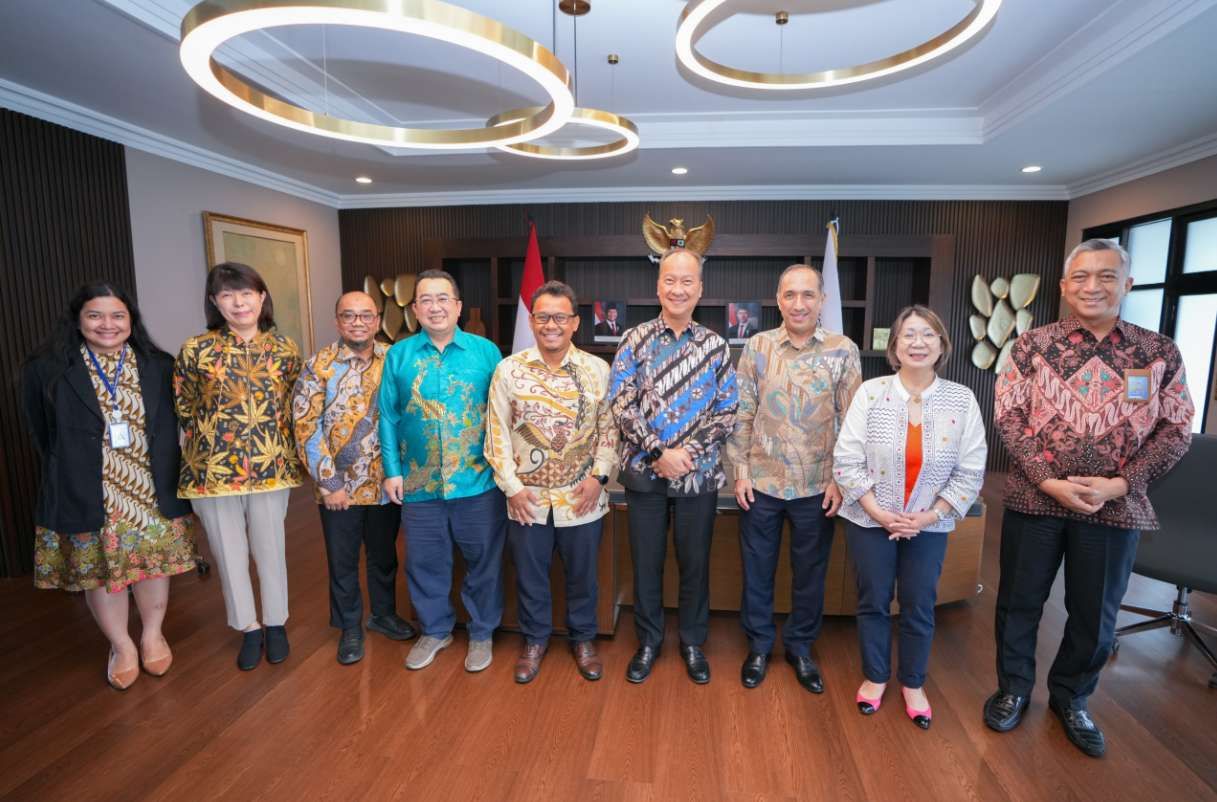
RRI.CO.ID, Jakarta: Indonesia is accelerating its national semiconductor industry to bolster industrial structure and enhance global competitiveness. The commitment emerged during a meeting between the Ministry of Industry and the Asian Development Bank (ADB) Indonesia in Jakarta, Tuesday, 27 January 2026.
The Ministry of Industry said semiconductors form a critical foundation for Indonesia’s industrial transformation agenda. The sector supports electronics, automotive, energy, and broader industrial digitalization efforts. It also plays an important role in strengthening long-term manufacturing resilience.
Minister of Industry, Agus Gumiwang Kartasasmita, highlighted Indonesia’s strong domestic demand for semiconductor-based products. The demand spans mobile phones, laptops, and motor vehicles, including the growing electric vehicle segment.
This condition reinforces the urgency of building a domestic semiconductor ecosystem. “Indonesia has a very large domestic market for semiconductor-based products, ranging from mobile phones and laptops to motor vehicles and electric vehicles. Therefore, developing a national semiconductor ecosystem is a strategic step to reduce import dependence while strengthening national industrial competitiveness,” Agus said.
The minister noted semiconductor demand continues rising alongside manufacturing growth and accelerating technology adoption. National motor vehicle production already exceeds one million units annually.
Electric vehicle development is targeted to reach hundreds of thousands of units by 2030. Indonesia currently has one semiconductor assembly and testing facility operating in Batam.
The country also hosts integrated circuit design companies supporting early-stage ecosystem development. However, the overall national ecosystem still requires comprehensive strengthening.
As a concrete step, the ministry initiated a national semiconductor ecosystem development program. The initiative focuses on market-oriented chip design aligned with global industry demand.
The program is listed in the 2025–2029 Blue Book with financing valued at USD 16.185 million. “Our main focus is building national human resource capabilities in chip design, providing shared research infrastructure, and strengthening collaboration between industry, universities, and global partners,” he stated.
News Recomendation
Loading latest news.....