



WHO, Ministry Strengthen Joint Efforts to Eradicate Leprosy in Indonesia
- 16 Jan 2026 11:17 WIB
- Voice of Indonesia
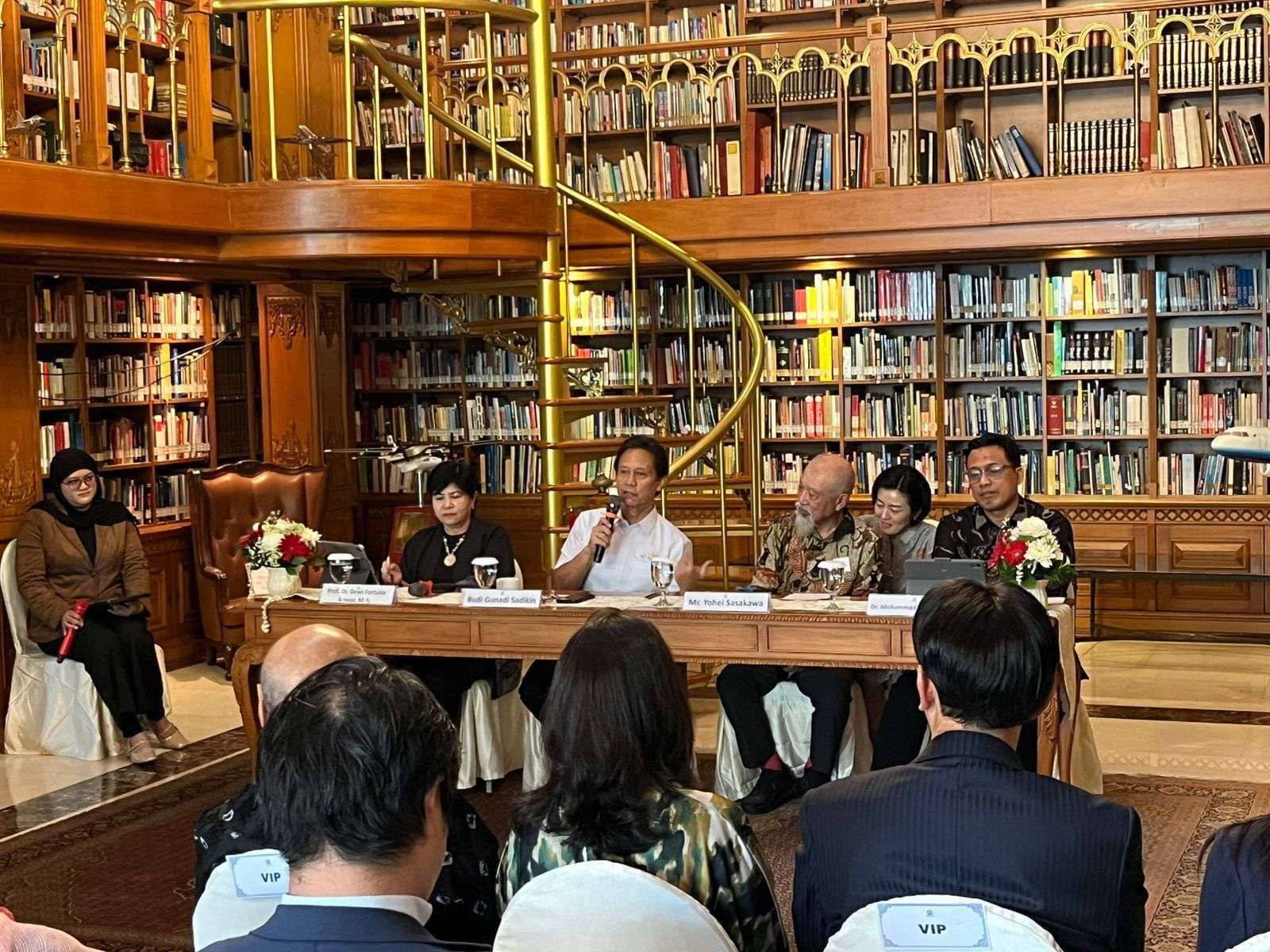
KBRN, Jakarta: The World Health Organization (WHO) and Indonesia’s Ministry of Health (Kemenkes) have reaffirmed their partnership to eliminate leprosy and dismantle the stigma surrounding the disease.
The commitment was underscored during a high-level discussion at The Habibie Center on Friday, January 16, 2026, where officials stressed that the fight against leprosy must combine medical innovation with public education.
Yohei Sasakawa, WHO Honorary Ambassador for Leprosy Elimination, noted that Indonesia ranks among the top three countries worldwide for leprosy cases.
He said the greatest obstacle to eradication is the widespread misconception that leprosy is a “curse” or highly contagious, which discourages many from seeking early treatment.
“The most important thing is to treat and free leprosy sufferers from discrimination and to offer compassion. We need a collective approach to eradicate leprosy completely,” Sasakawa said.
He emphasized that leprosy is fully curable and that social empathy is as crucial as medication in the recovery process.
Health Minister Budi Gunadi Sadikin announced a major policy shift to accelerate efforts to eliminate the disease.
Beginning in 2026, leprosy screening will be integrated into the government’s Free Health Check-up (CKG) program. The initiative is designed to normalize diagnosis and detect cases early, preventing permanent disabilities. “The isolation of leprosy patients is due to misinformation. There is no scientific evidence to support this practice,” Budi explained.
He clarified that patients are no longer contagious after a short course of antibiotics, often less than one week, debunking the need for social isolation.
Civil society has expressed strong support for the initiative. Ilham Akbar Habibie, Chairman of the Board of Trustees of The Habibie Center, pledged to collaborate with WHO, the Sasakawa Health Foundation, and the Ministry of Health.
He emphasized that health is a cornerstone of quality of life and social justice, and that it must be guaranteed for all citizens, including those affected by leprosy.
Through this multi-sectoral partnership, the government aims to achieve Zero Leprosy in Indonesia by 2030, ensuring that no child or adult suffers from the physical or social scars of this ancient yet curable disease. (Naura Sofia/Lasti Martina)
News Recomendation
Loading latest news.....