


BNPB Records 614 Disasters until March 2025, Mostly Hydrometeorological
- 10 Mar 2025 13:37 WIB
- Voice of Indonesia
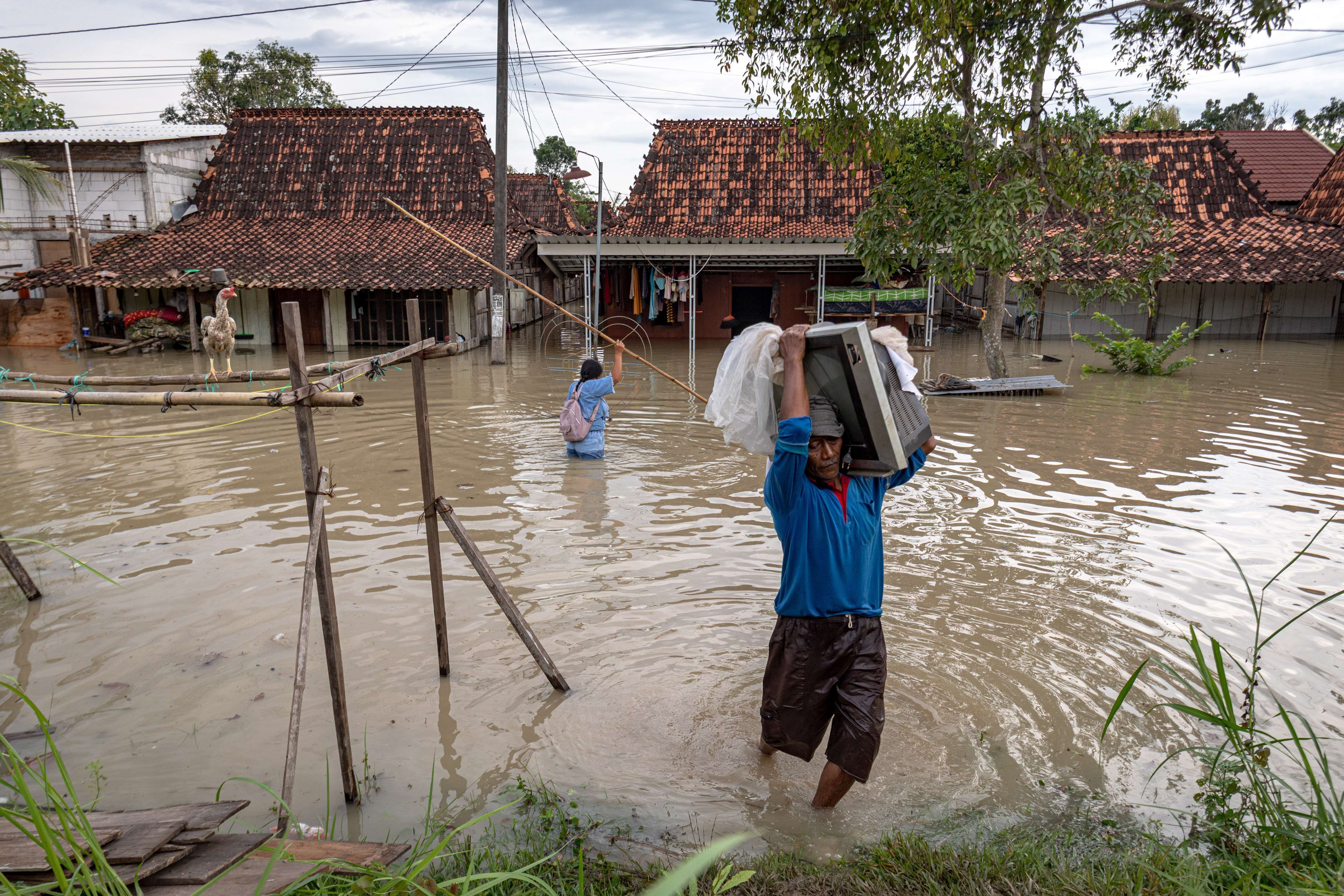
KBRN, Jakarta: The National Disaster Mitigation Agency (BNPB) reported a total of 614 disasters from the start of 2025 to Monday, March 10, 2025. This figure is based on reports from regions that have declared alert or emergency response statuses and sought assistance from BNPB.
"Today is only March 10, 2025, and we have already recorded 614 disasters," BNPB Head Lt. Gen. Suharyanto said during the Regional Inflation Control Meeting in Jakarta, rri.co.id. reported.
Suharyanto mentioned that most of the disasters occurred since the beginning of this year were wet hydrometeorological disasters. They comprised 421 floods, 103 extreme weather events, and 58 landslides.
He said that this figure does not include disasters handled independently by local governments. Many small-scale floods and landslides at the village or neighborhood level are not reported to the BNPB.
He said that with this condition, the actual number of the disasters could be more than 614. He assured that the BNPB continues to monitor the situation and coordinate with local governments for further handling.
Natural disasters like floods, landslides, and extreme weather can significantly impact inflation due to their effects on supply and demand.
Disasters often damage infrastructure, disrupt transportation, and destroy crops or goods, leading to reduced supply. This scarcity can drive up prices, particularly for food and essential commodities.
Rebuilding efforts and higher costs for raw materials or logistics can lead to increased production expenses, which businesses may pass on to consumers as higher prices.
In the aftermath of disasters, there is often a surge in demand for certain goods and services, such as construction materials, food, and medical supplies. This heightened demand can further push prices upward.
In developing economies, where resources are limited, the financial burden of disaster recovery can strain budgets, potentially leading to inflationary pressures. ***