



UGM Students Push Digital Literacy to Protect Children in Social Media Content
- 02 Okt 2026 03:04 WIB
- Voice of Indonesia
Key Points
- UGM students warn that viral family content may unintentionally exploit children, turning them into digital assets for monetization.
- The Teman Tumbuh team urges stronger digital literacy, tighter regulations, and safer platforms to protect children’s privacy online.
- Parents are encouraged to share wisely, ensuring children’s rights and privacy remain safeguarded amid the rise of sharenting practices.
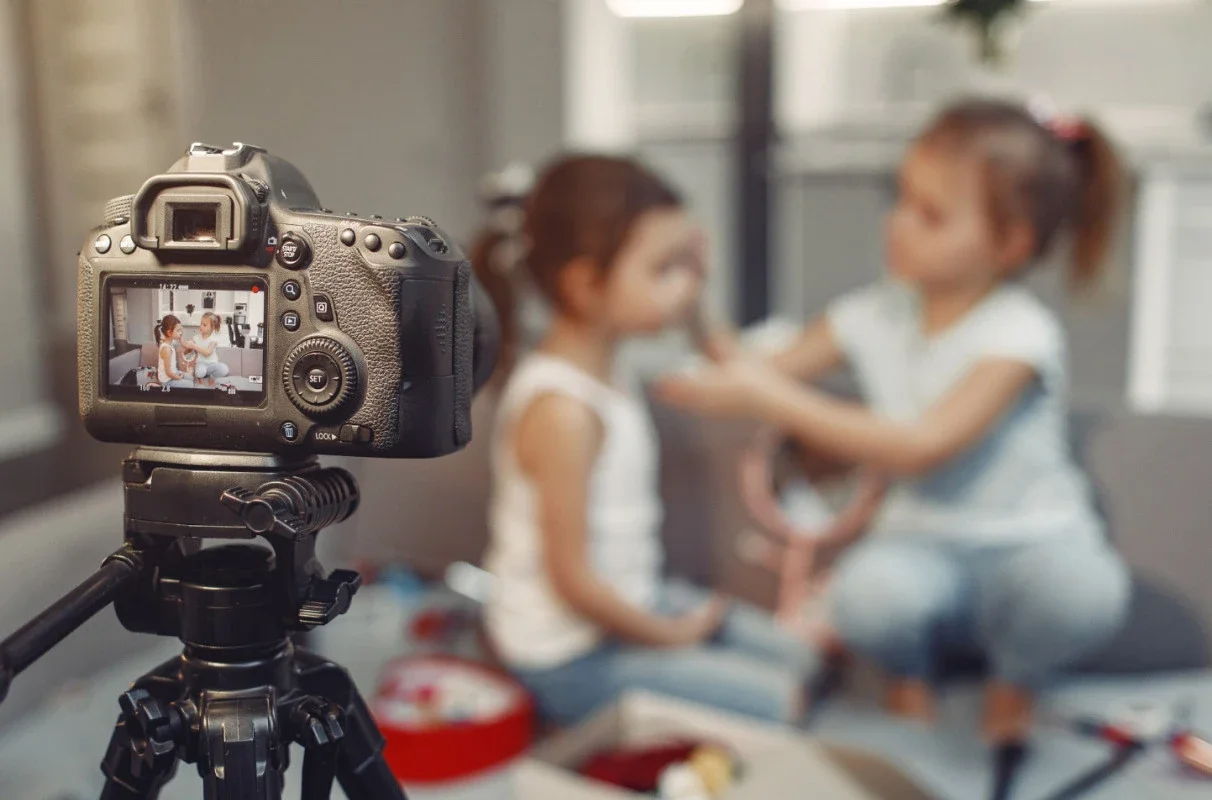
RRI.CO.ID, Jakarta - As funny family clips flood social media, parents are warned that they may be unintentionally exposing their children to hidden exploitation. A team of Gadjah Mada University (UGM) students is offering solutions: stronger digital literacy, tighter regulations, and safer platforms to help parents protect their children’s privacy in the digital age.
The phenomenon, often called sharenting -- when parents share photos, videos, or stories of their children online -- has grown into a monetized trend. Behind the narrative of preserving memories, content featuring children increasingly carries economic value.
This concern prompted five UGM students, grouped under the Teman Tumbuh team in the Student Creativity Program for Humanities Research (PKM-RSH), to study the issue through their project Childhood in the Digital Showcase: Digital Exploitation through Monetization of Child Content in the Sharenting Era.
The team -- Phedra Annabelle, Laurensius Yuniarta, Shallom Gracia, Giasinta Anra, and Leonardo -- analyzed TikTok content and interviewed policymakers and child protection advocates, under the guidance of lecturer Mashita Phitaloka Fandia Purwaningtyas.
Team leader Phedra Annabelle explained that digital platforms have transformed children into part of content strategies that generate profit. "In this situation, a child is no longer just appearing in a video. They can become a digital asset that helps produce revenue,” she said, as quoted on the university's official website on Wednesday, September 30, 2026.
The study identified three common roles children play in hidden exploitation: consumers, interacting with or using products featured in content; actors, following scripted scenarios in videos; and testifiers, providing reactions or statements that endorse products.
While parents hold authority in childcare decisions, Phedra stressed that children also have rights to privacy. What may seem like harmless sharing today could become part of a child’s permanent digital footprint.
“The issue is not about banning parents from sharing moments, but ensuring that children’s rights and privacy are respected,” she noted.
Regulatory gaps remain. Indonesia’s Personal Data Protection Law and PP No. 17/2025 on Child Protection in Electronic Systems do not fully address sharenting practices by parents.
“Child protection in digital spaces is not only about platforms. It’s also about how parents, as content creators, use their children’s data and identities,” Phedra added.
The Teman Tumbuh team recommends: boosting digital literacy for parents and children, focusing on privacy and long-term digital footprints; strengthening regulations to cover parental content practices; cross-sector collaboration among policymakers, educators, and tech companies; and safer platform systems with child protection mechanisms.
“Digital literacy is not just about knowing how to use gadgets. Parents must understand the risks of sharing personal information and how it can affect children in the future,” Phedra emphasized.
Ultimately, the team calls for ongoing dialogue. The goal is not to stop parents from sharing, but to encourage wiser choices about what is posted, why, and who benefits.
“The digital space must also be a safe space for children, including safeguarding their privacy and personal lives,” Phedra concluded. ***
News Recomendation
Loading latest news.....