



Prayer Is More Than Worship: Its Health Benefits for the Body
- 26 Jun 2026 17:14 WIB
- Voice of Indonesia
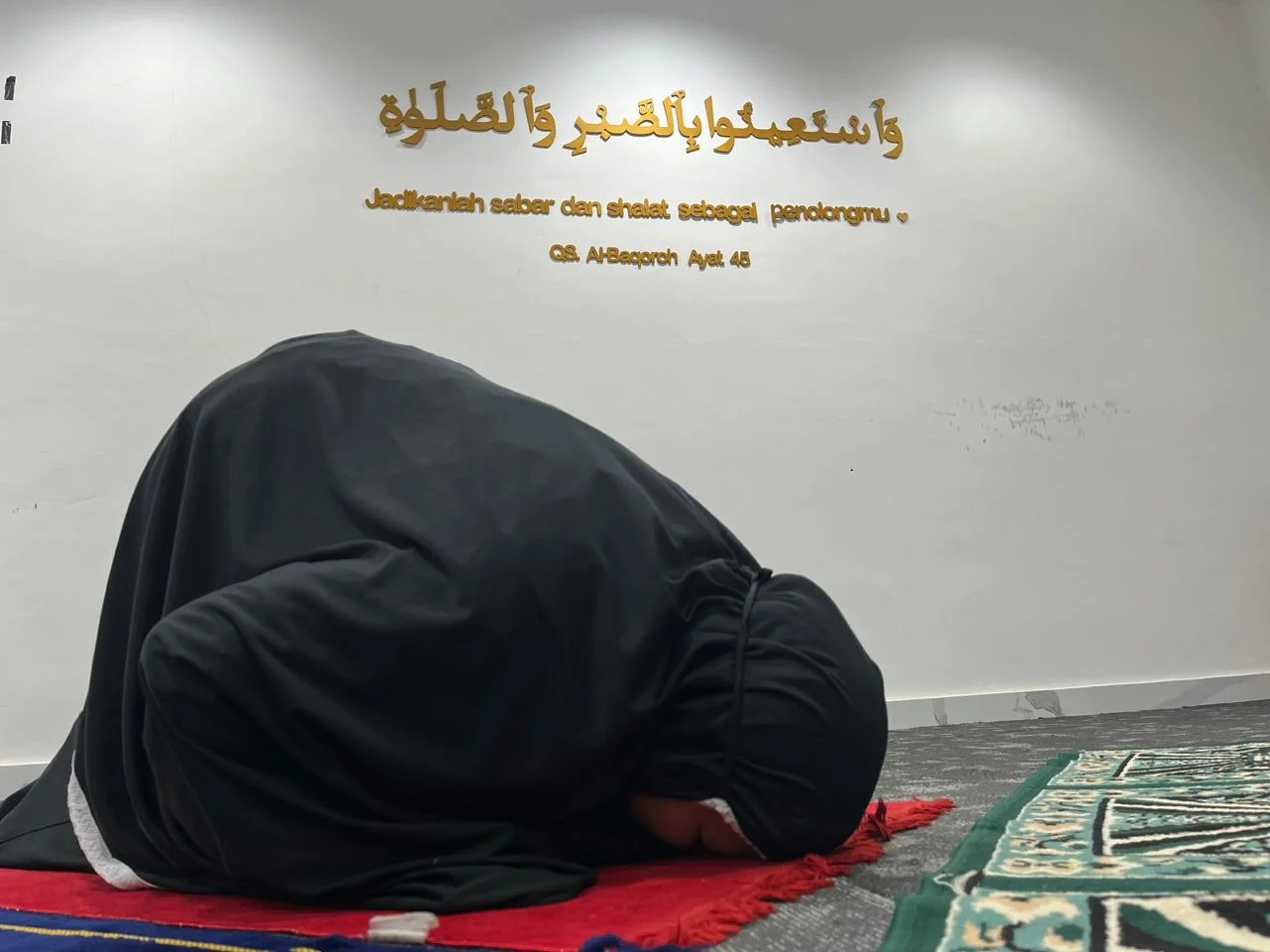
RRI.CO.ID, Jakarta – Prayer (shalat) is not only an act of worship that brings inner peace, but it also offers a range of health benefits. The sequence of movements performed during prayer—from standing and bowing to prostrating and sitting—can help maintain physical fitness, improve flexibility, and support both physical and mental well-being.
According to Alodokter, the series of prayer movements performed five times a day engages almost every part of the body. These movements help strengthen muscles and joints, improve posture, and promote healthy blood circulation.
One of the key health benefits of prayer is improved blood circulation. During prostration (sujud), the head is positioned lower than the heart, allowing blood to flow more efficiently to the brain. This may help support brain function, improve concentration, and reduce complaints such as dizziness.
The movements in prayer also help maintain muscle and joint flexibility. The combination of standing, bowing (rukuk), prostrating, and sitting resembles light physical exercise, which can improve balance and reduce joint stiffness when practiced consistently.
In addition, the physical activity involved in prayer contributes to bone health. Repeated movements keep the bones active and engaged, helping to maintain bone strength over the long term.
Prayer can also help improve posture. Maintaining a straight back during bowing, standing upright, and sitting properly encourages better body alignment and may reduce the risk of back pain.
From a respiratory perspective, reciting prayer verses in a calm and steady rhythm helps regulate breathing. This practice supports lung function and improves oxygen circulation throughout the body, leaving a person feeling more refreshed.
Beyond its physical benefits, prayer also promotes mental well-being. Performing prayer with mindfulness and devotion can help calm the mind, reduce stress, and stabilize emotions. These effects are associated with lower levels of the stress hormone cortisol.
The sense of relaxation experienced after prayer may also contribute to better sleep quality. Relaxed muscles and a calmer mind make it easier to achieve restful sleep.
| Baca juga: Creativity Can Begin with a Single Dot |
Meanwhile, the combination of light physical activity and emotional tranquility is believed to support the body's immune system. Improved circulation, a healthy metabolism, and lower stress levels all contribute to stronger immunity.
In addition to the prayer movements themselves, the practice of performing wudu (ablution) before prayer also offers health benefits. Regularly washing the exposed parts of the body helps maintain skin hygiene, reduce exposure to dirt and germs, and provides a refreshing sensation before beginning worship.
News Recomendation
Loading latest news.....