



Culture Minister Backs XR Technology to Bolster Filmmaking
- 10 Apr 2026 16:00 WIB
- Voice of Indonesia
Key Points
- Minister of Culture Fadli Zon advocates for Extended Reality (XR) to modernize the national film industry, reducing reliance on physical sets and lowering production costs while maintaining high visual quality.
- There is a new push for films centered on Science, Technology, Engineering, and Mathematics (STEM) to provide educational value and boost Indonesia's cultural competitiveness globally.
- The Ministry highlights Indonesia’s vast "treasury of untold stories," urging filmmakers to draw inspiration from local scientists and historical civilizations as the foundation for modern cinematic works.
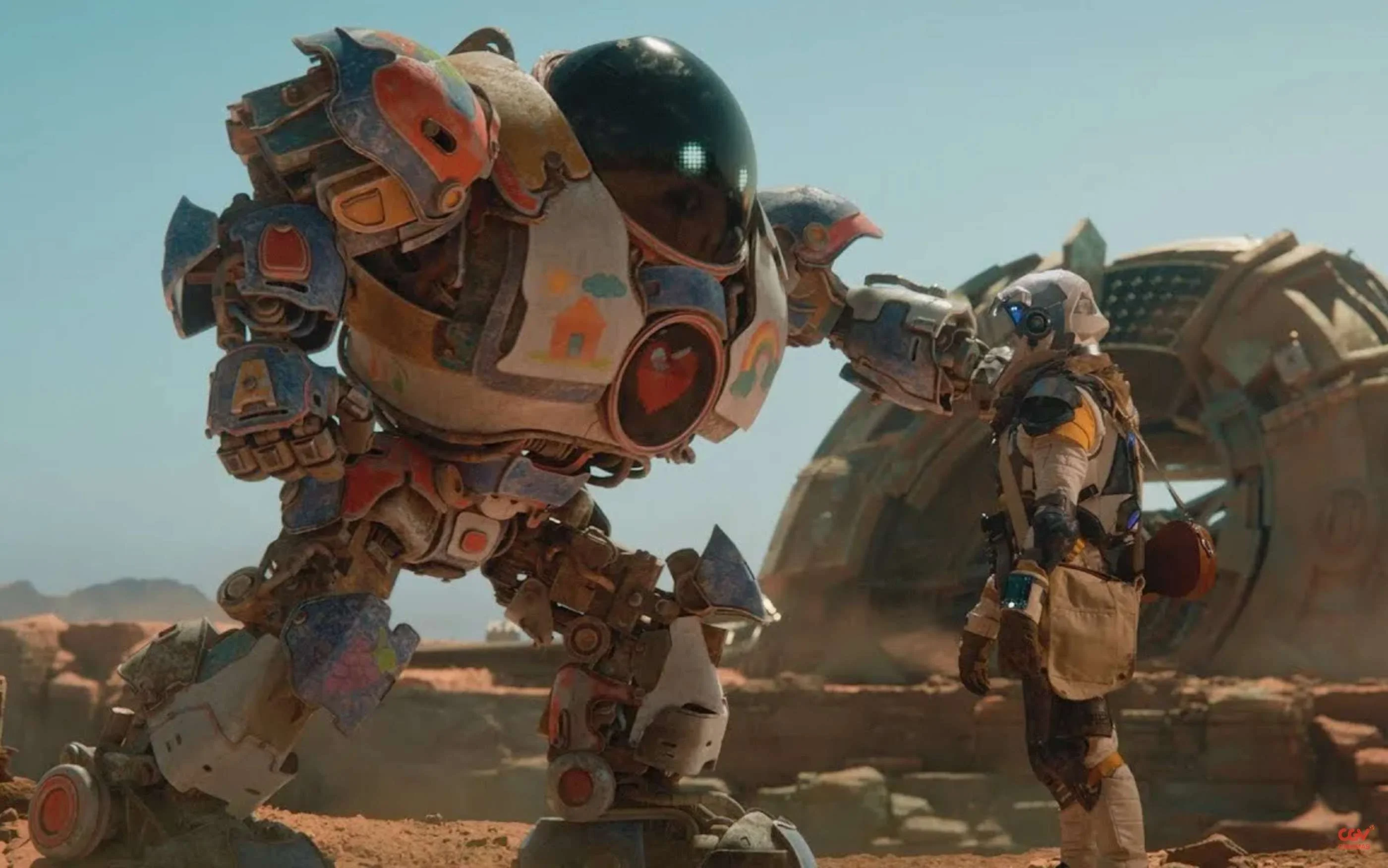
RRI.CO.ID, Jakarta – Indonesia is eyeing a technological revolution in its film industry as the Ministry of Culture advocates for Extended Reality (XR) to bolster the national cinematic ecosystem. Minister of Culture, Fadli Zon, identified the adoption of cutting-edge technology as a strategic move to elevate local productions, particularly those aimed at merging entertainment with education.
Minister Fadli emphasized that the future of Indonesian film lies in content that inspires as much as it entertains. He specifically called for a surge in productions centered on STEM (Science, Technology, Engineering, and Mathematics) themes to sharpen Indonesia’s cultural competitiveness.
“We need to encourage the birth of STEM-themed works that can inspire the public while strengthening Indonesia's cultural bargaining power,” said the Minister, in Jakarta on Friday, April 10, 2026.
The push for innovation was highlighted during a meeting with producer Dendi Reynando and renowned director Upie Guava. The discussion centered on Indonesia’s vast treasury of untold stories, ranging from the lives of local scientists to the sprawling history of the Nusantara civilization.
Minister Fadli noted that while technology provides the tools, the narrative remains the soul of the craft. “In addition to capable technology, we must strengthen ideas and storylines as the primary foundation, supported by technology to achieve optimal film quality,” he added, as quoted by Antara.
As a tangible example of this vision, Reynando and Guava presented their latest project, Pelangi di Mars (Rainbow on Mars). Developed as a high-quality science fiction film for children, the project utilizes XR technology that has undergone three years of independent research and development within Indonesia. This initiative includes the construction of dedicated studio infrastructure and intensive training for local talent.
Director Upie Guava explained that XR technology offers unprecedented flexibility, allowing filmmakers to render complex visual backgrounds efficiently. This bypasses the traditional constraints of physical locations and prohibitive production costs.
“With XR, directors can experiment and imagine more broadly without being limited by conventional production cost barriers,” remarked Upie.
Expanding on the economic potential, Dendi Reynando underscored that Pelangi di Mars is designed as a sustainable local Intellectual Property (IP) strategy. Beyond the silver screen, the film's characters are being prepared for licensing and derivative products to ensure long-term economic value.
Furthermore, Dendi pointed out that XR technology is a game-changer for historical epics that require complex visual reconstructions. “This technology allows us to present various settings, including the past in historical films, without the need for high-cost physical sets. It provides the public with a more diverse range of viewing alternatives,” he concluded. ***
News Recomendation
Loading latest news.....