



Indonesia Studies International School Meal Models to Refine MBG Program
- 25 Sep 2026 02:18 WIB
- Voice of Indonesia
Key Points
- Indonesia's National Nutrition Agency (BGN) is studying Japan's school meal system to enhance its Free Nutritious Meals (MBG) program.
- BGN is exploring both school-based and centralized kitchen operational models utilized in Japan.
- Indonesia remains open to adopting global best practices for the national initiative.
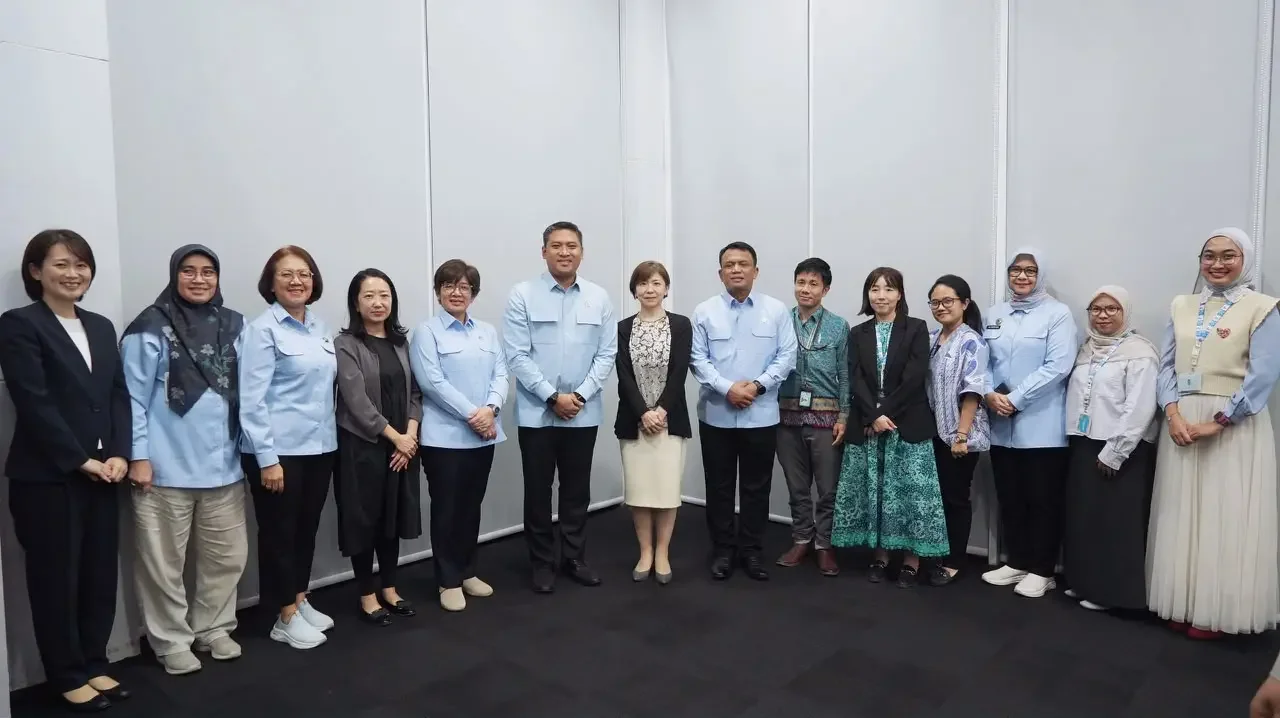
RRI.CO.ID, Jakarta - Indonesia's National Nutrition Agency (BGN) is strengthening the implementation of the Free Nutritious Meals (MBG) program through lessons learned from various international best practices. One of these is Japan's experience running school meal programs.
During a meeting with the Japan International Cooperation Agency (JICA) Indonesia on Wednesday, Sept. 23, 2026, National Nutrition Agency head Sudaryono said BGN is expanding its learning by studying how other countries manage student meal programs.
“Essentially, we want to learn from one of the countries with the best free meal programs. We are studying various aspects of the system, from implementation and management to the roles played by different stakeholders,” said Sudaryono, who is widely known as Mas Dar, in an official statement issued on Thursday, as quoted by Antara.
According to him, the learning process goes beyond food provision and nutrition services. BGN is also studying governance and the roles of schools, teachers, principals, students, and parents in supporting Japan's school meal program.
“We want to listen, learn, and observe as much as possible, then adopt the best practices and innovations from various sources so our free meals program can be implemented as effectively as possible in Indonesia,” he said.
Cooperation between Indonesia and JICA on school meal programs has been in place since 2024 and will continue, including through the deployment of Indonesian participants to Japan to study firsthand how free meal programs for students are organized and managed.
During the discussions, BGN also examined different meal service models used in Japan.
Sudaryono explained that not all schools in Japan prepare meals on-site. In addition to school-based kitchens, the country also uses a central kitchen model, under which meals are prepared at a centralized facility before being distributed to schools.
“This is an important lesson for us. Perhaps we can adopt some of these approaches, with adjustments to suit the implementation of the MBG program in Indonesia,” he said.
Sudaryono emphasized that BGN remains open to experiences and innovations from various parties as part of efforts to strengthen MBG implementation. Learning efforts are not limited to a single country but also draw on experiences from nations with similar programs.
“BGN recognizes that we still face challenges, but we should not ignore innovations and successful practices from many parties, including Japan, India, Brazil, and many other countries,” he said. ***
News Recomendation
Loading latest news.....