



Indonesia, China Strengthen Health Cooperation Through Renewed MoU
- 20 Sep 2026 19:40 WIB
- Voice of Indonesia
Key Points
- Indonesia and China are strengthening health cooperation by updating the MoU between BPOM and China’s NMPA.
- The renewed MoU broadens collaboration to include drug and vaccine regulation, biologics, pharmaceuticals, natural medicines, cosmetics, and digital regulatory technologies.
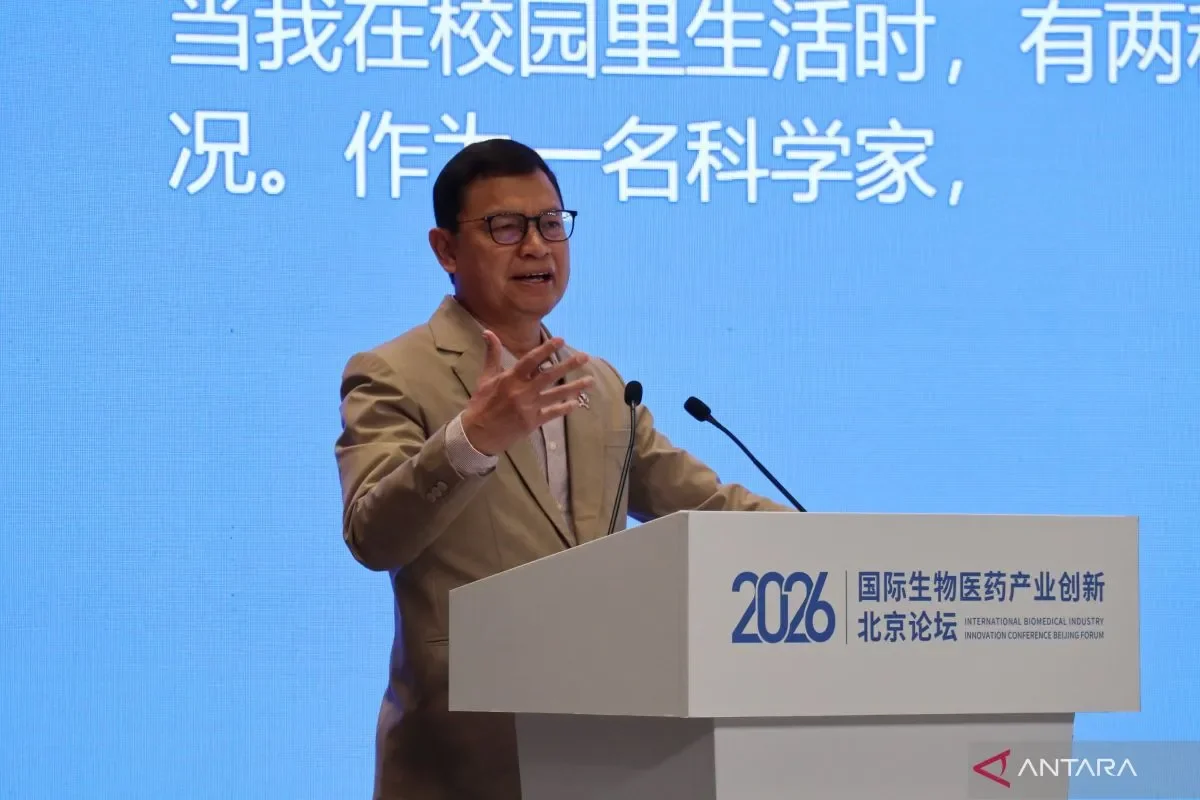
RRI.CO.ID, Beijing - Indonesia and China are strengthening their health cooperation by renewing a Memorandum of Understanding (MoU) between Indonesia’s Food and Drug Monitoring Agency (BPOM) and China’s National Medical Products Administration (NMPA).
BPOM Head Taruna Ikrar said the new MoU draft has been finalized and will be signed soon, replacing the previous agreement that expired in June 2024.
“Yesterday, we held a meeting with the National Medical Product Administration (NMPA), China’s equivalent of BPOM. Everything went well, and we will formalize the MoU between Indonesia’s BPOM and the NMPA soon,” Ikrar said in Beijing on Sunday, September 20, 2026, as reported by Antara.
The renewed MoU will expand cooperation to include the regulation of medicines and vaccines, biological products, pharmaceutical raw materials, natural medicines, cosmetics, and digital technologies within regulatory systems.
The collaboration also covers investment opportunities and technology transfer, including the development of Chinese vaccine technology in Indonesia. “Several technologies, specifically vaccine technologies from China, will see investment in Indonesia,” he said.
According to Ikrar, BPOM’s status as a WHO‑Listed Authority (WLA) further strengthens Indonesia’s position in international regulatory cooperation. Through a reliance mechanism, BPOM can use assessment results from established regulators as references while still conducting its own evaluations in accordance with national regulations.
The BPOM reliance mechanism is a special evaluation pathway in drug registration that utilizes assessment results from trusted regulatory authorities in reference countries.
This cooperation is also expected to create opportunities for Chinese industries to obtain Indonesian certifications for drug and food production standards. Beyond regulation, BPOM is promoting collaboration in health technology and human resource development.
During his visit to China, Ikrar spoke at the International Biomedical Industry Innovation Conference Beijing Forum and at the AI + New Medical Technology Conference session at Tsinghua University. He presented on the use of AI in developing advanced medical treatments, including gene therapy, cell therapy, and tissue engineering.
“Tsinghua University is among the world’s top universities. I hope this partnership brings their cutting‑edge technologies to Indonesia and supports human resource development,” he said.
BPOM will visit manufacturing facilities in China to explore investment opportunities. The goal is to strengthen Indonesia’s pharmaceutical industry and reduce reliance on imported raw materials, which currently account for more than 90 percent of the total.
Ikrar hopes these investments will include technology transfers, thereby strengthening the supply chain and domestic pharmaceutical production capacity.
The renewal of the MoU between BPOM and the NMPA is expected to enhance health cooperation between Indonesia and China and will be discussed at the high‑level APEC meeting between President Prabowo Subianto and Chinese President Xi Jinping. ***
News Recomendation
Loading latest news.....