



Indonesia Studies China’s Development Experience for Transmigration Areas
- 11 Agt 2026 13:25 WIB
- Voice of Indonesia
Key Points
- Indonesia is studying China’s development experience to strengthen transmigration areas while adapting approaches to local economic, social and cultural conditions.
- The Indonesian Ministry of Transmigration deployed 1,476 participants to 53 areas in 2026 to support research, innovation and science-based development.
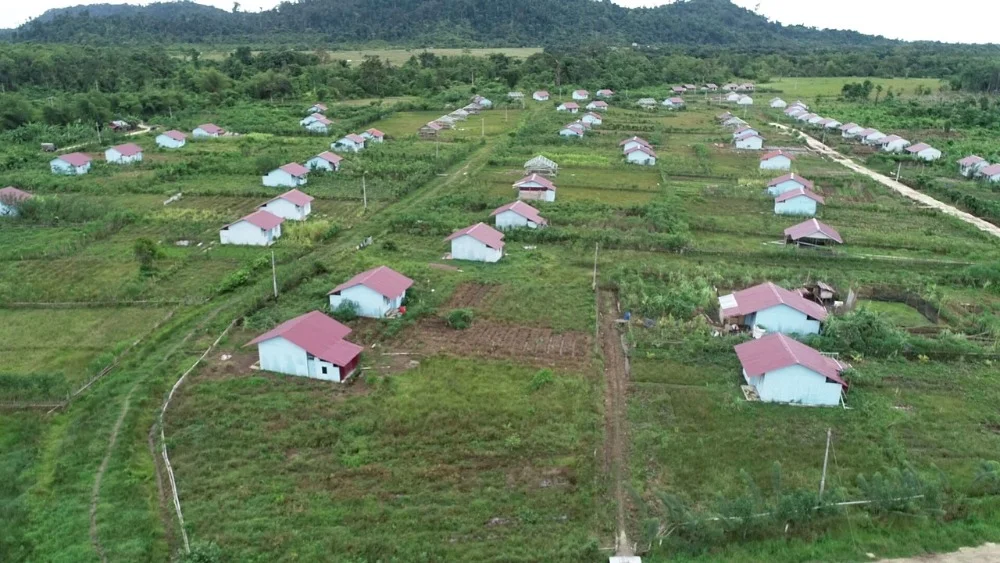
RRI.CO.ID, Jakarta - Indonesia is studying China’s experience in developing human resources, regional economies and industries to strengthen the development of transmigration areas while adapting the approaches to local conditions.
Deputy Minister of Transmigration Viva Yoga Mauladi said Indonesia would not directly adopt a specific Chinese model but use its development experience as a reference.
“We want Chinese development models to inspire us as a comparison, adapted to the economic, social and cultural conditions of communities in transmigration areas,” Viva said at a seminar on China’s development model in Jakarta on Tuesday, August 11, 2026, as quoted by Antara.
The seminar brought together officials from the Ministry of Transmigration, Peking University academics and representatives of the Chinese Embassy in Indonesia. Viva said areas that could provide lessons include human resource and regional development, economic models based on local products, and industrial development.
However, he stressed that China’s experience could not be applied directly because each country has different development characteristics and challenges. Instead, it would serve as a comparative perspective for developing models suited to Indonesia.
He said transmigration is now part of a broader development agenda covering regional development, economic empowerment, human resources and communities. This approach is reflected in the 2026 Patriot Expedition Team (TEP), through which the ministry deployed 1,476 participants to 53 transmigration areas for research, studies and science- and technology-based assistance.
The participants include 39 professors, 10 postdoctoral researchers, 158 doctoral graduates, 49 master’s graduates, 214 applied master’s students and 937 bachelor’s graduates from various universities. “We want to develop transmigration areas based on science,” he said.
He added that university involvement could provide academic perspectives to ensure development is targeted, consistent and sustainable, while supporting regional economic growth and innovation.
The seminar was organized by the Ministry of Transmigration alongside the Chinese Embassy in Indonesia and Peking University through the Institute of South-South Cooperation and Development (ISSCAD).
Held August 11-12, the forum discussed China’s experience in national development, economic reform, governance and cooperation among developing countries.
Management Board Chair of Peking University’s National School of Development, Lei Xiaoyan, said the cooperation could expand development experience exchanges between Indonesia and China.
Lei said Peking University has experience in research and regional assistance, including poverty alleviation, that could provide lessons for Indonesia. “We have many experiences that can be shared in the future, not only at today’s seminar, but there may be many more things we can do together,” Lei said.
He added that the cooperation is two-way, with Peking University also seeking to learn from Indonesia’s development experience and explore further cooperation with the Ministry of Transmigration. ***
News Recomendation
Loading latest news.....