



Parliamentary Supervisory Team Notes Key Issues in Hajj 2026
- 02 Jun 2026 03:31 WIB
- Voice of Indonesia
Key Points
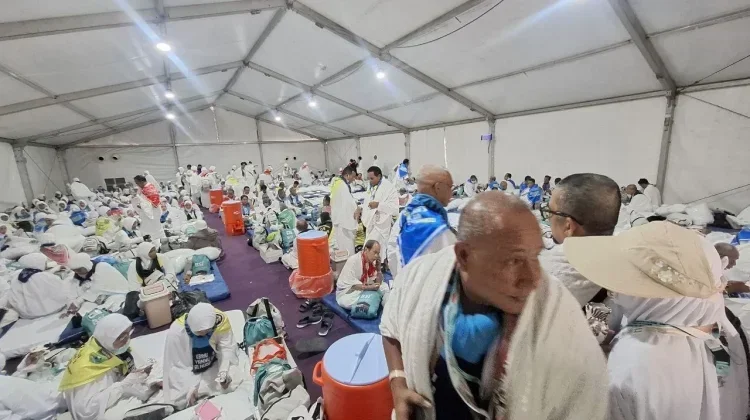
- The House of Representatives' Hajj Supervisory Team flagged bus delays, overcrowded tents, poor sanitation, and food shortages during peak rituals in Arafah, Muzdalifah, and Mina.
- The team urged structured management of proxy pilgrimages and stricter dam payment rules, stressing long-term contracts and better facilities for future Hajj seasons.
RRI.CO.ID, Jakarta - The Indonesian House of Representatives’ Hajj Supervisory Team has raised several concerns about the 2026 Hajj, particularly during the peak rituals in Arafah, Muzdalifah, and Mina (Armuzna).
Team member Abdul Wachid highlighted delays in bus services and overcrowded tents as major issues. “There were some minor notes, especially during the movement from Arafah to Muzdalifah and Mina,” he said in a press statement on Monday, June 1, 2026.
Wachid explained that some pilgrims were stranded until morning due to bus delays, though all were eventually transported.
He also stressed the need to improve tent capacity, noting that some exceeded their designated limits. “We want better tent quality--pilgrims should not be packed in like sardines,” he remarked.
The team has proposed raising service standards from package D to package C to improve tents, air conditioning, and sleeping comfort.
Wachid further underlined the importance of long-term contracts with hotels, service providers (syarikah), and catering companies. He argued that five-year agreements would stabilize service quality and simplify government evaluations.
Another team member, Selly Andriany Gantina, pointed to inadequate facilities in Mina, including tents and toilets. “I found issues with tent facilities, especially toilets. The tents were uncomfortable, forcing pilgrims to crowd together,” she said.
Selly emphasized that sanitation and clean water supply were insufficient, despite being vital for ablution. She also reported cases of pilgrims left without food for up to nine hours, causing elderly participants to collapse. She criticized the lack of adequate health facilities to treat pilgrims who fell ill in overcrowded tents.
The Supervisory Team Chair Cucun Ahmad Syamsurijal urged the government to establish a formal institution under the Ministry of Hajj and Umrah to regulate proxy pilgrimages (badal haji).
He warned that uncoordinated offerings by travel agencies and Indonesian residents in Saudi Arabia risked creating further problems. Stricter health screening requirements could increase the number of pilgrims needing proxies, making structured oversight essential.
Cucun also addressed the management of dam (sacrificial penalties), which Saudi Arabia now requires to be processed officially through the state-owned Adahi company. He noted that future visa issuance may depend on proof of payment via Adahi.
Responding to debates in Indonesia over whether dam sacrifices could be performed domestically, he called for consultations with ministries, the Indonesian Ulema Council (MUI), and Islamic scholars to ensure operational reforms remain aligned with religious validity.
“In shaa Allah, in the near future we will invite the relevant ministries, the Indonesian Ulema Council (MUI), and senior Islamic jurists. We must ensure that in our efforts to improve operational regulations, we do not neglect the aspect of religious validity,” said Cucun. (Misni Parjiati)
News Recomendation
Loading latest news.....