



Indonesia Moves to Secure Energy Shipments Through Strait of Hormuz
- 29 Mar 2026 16:57 WIB
- Voice of Indonesia
Key Points
- Indonesia coordinates efforts to ensure safe passage through the Strait of Hormuz, prioritizing crew safety and energy supply stability.
- The Indonesian government diversifies oil imports beyond the Middle East to reduce risk and strengthen energy resilience.
RRI.CO.ID, Jakarta - Indonesia is intensifying coordination across government agencies to ensure the safe passage of its vessels through the strategically vital Strait of Hormuz, amid regional tensions in the Persian Gulf.
Energy and Mineral Resources Ministry spokesperson Dwi Anggia said the ministry is working closely with the Foreign Affairs Ministry and other stakeholders to support safe transit while safeguarding national energy supply.
“The Energy and Mineral Resources Ministry continues to communicate and coordinate intensively with the Foreign Affiars Ministry to ensure Indonesian vessels can pass safely and smoothly through the Strait of Hormuz. Not only cargo, but the safety of crews is the government’s top priority,” Anggia said in Jakarta on Sunday, March 29. 2026, as quoted by Antara.
Earlier, Foreign Affairs Ministry spokesperson Vahd Nabyl A Mulachela said coordination with the Indonesian Embassy in Tehran and Iranian authorities has yielded positive responses, with technical and operational follow-ups underway.
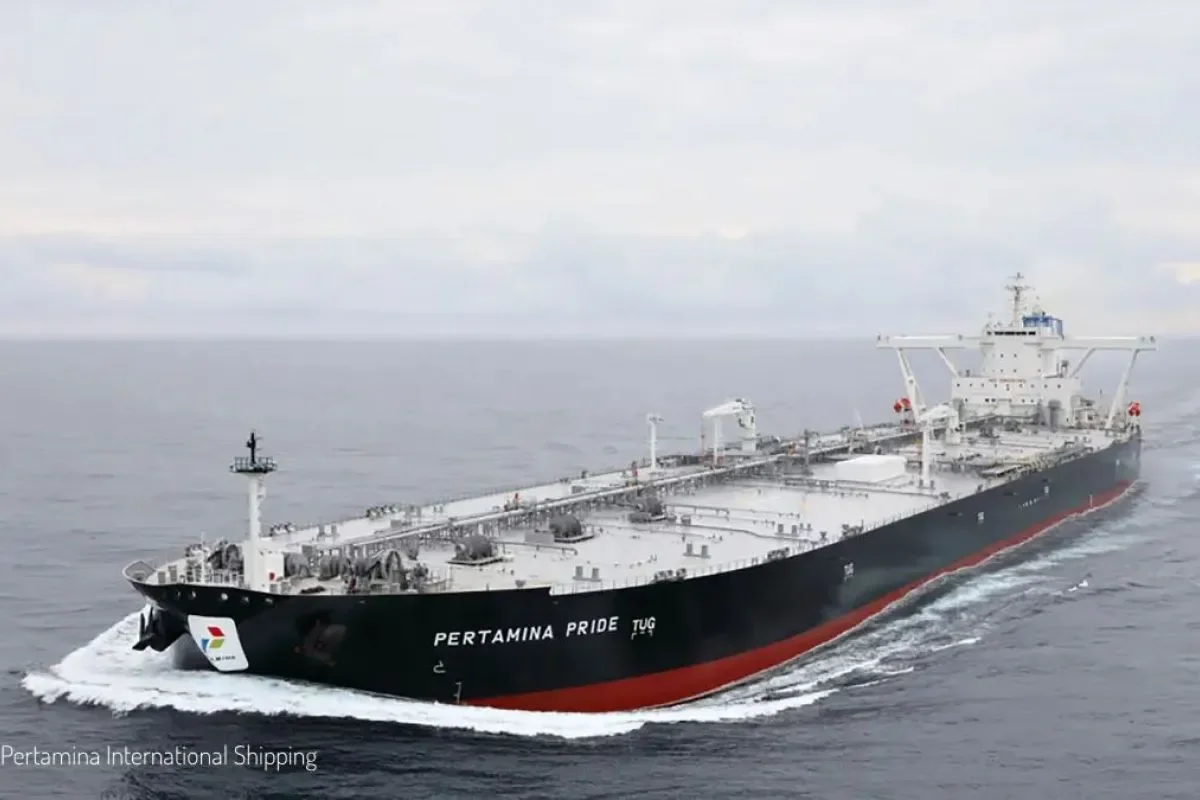
State energy firm Pertamina also welcomed the government support, as its shipping arm prepares two vessels, Pertamina Pride and Gamsunoro, for safe passage. “Safety of all crew members, as well as the security of vessels and cargo, remains our priority,” Corporate Communication Vice President Muhammad Baron said.
To mitigate risks, the government is also diversifying crude oil and fuel imports beyond the Middle East, in line with directives from President Prabowo Subianto to expand sourcing options and maintain supply resilience.
In 2025, Indonesia imported 135.33 million barrels of crude oil, with around 19 percent sourced from Saudi Arabia, while the rest came from regions including Africa, the United States, and Southeast Asia. ***
News Recomendation
Loading latest news.....