



Indonesian Embassy Facilitates Nuclear Training for Energy Shift
- 22 Jan 2026 12:23 WIB
- Voice of Indonesia
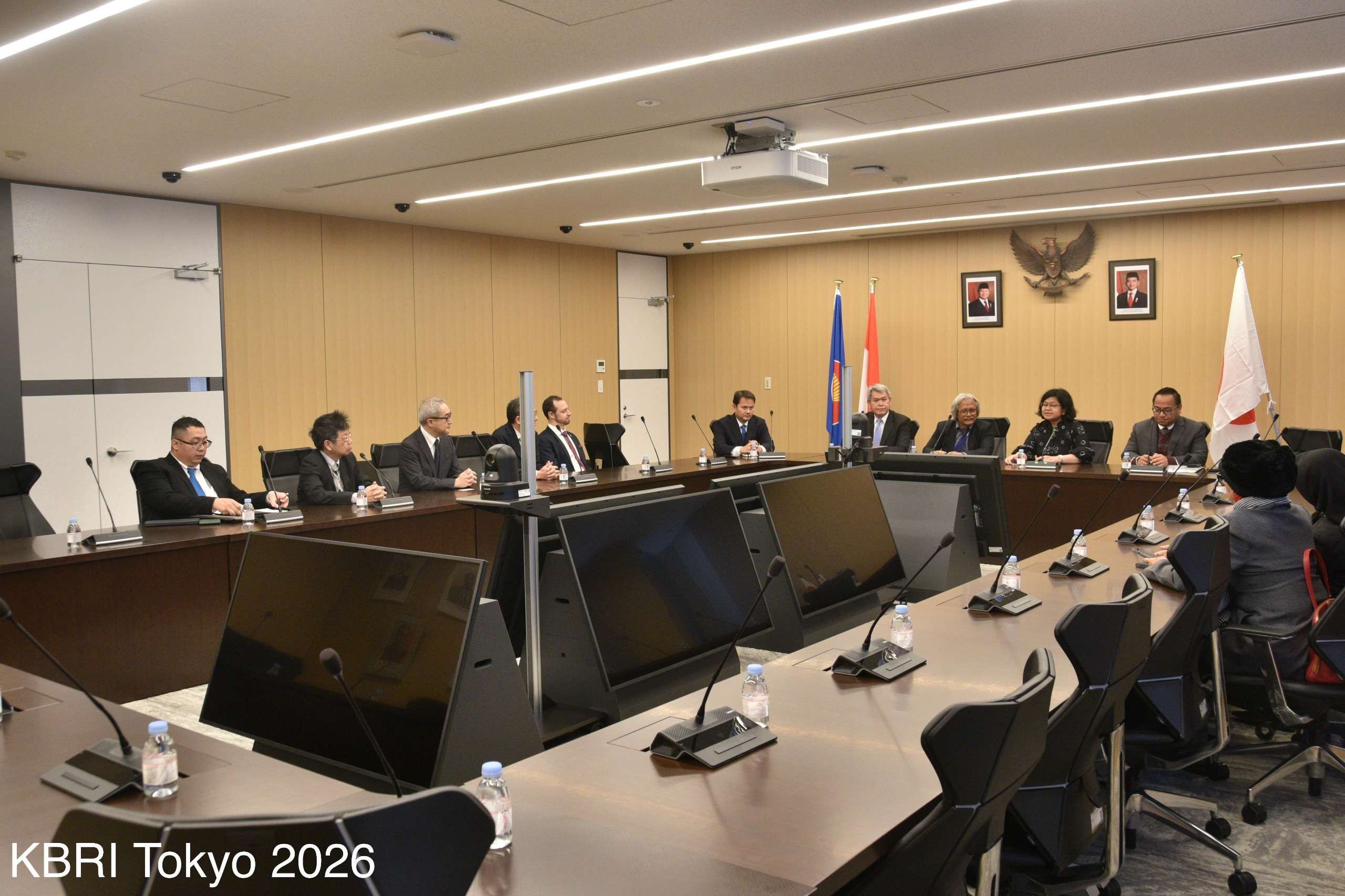
RRI.CO.ID, Jakarta – Indonesian Embassy in Tokyo, in collaboration with the Indonesian Ministry of Industry, facilitated the the Japan–US Training Program on Responsible Use of Small Modular Reactor (SMR) Technology for Indonesia. The program took place from January 19–23, 2026, at the Indonesian Embassy in Tokyo and is part of strengthening the trilateral cooperation between Indonesia, Japan, and the United States (US) to support the national energy transition towards Net Zero Emissions (NZE) by 2060.
In her opening remarks, the Chargé d'Affaires ad Interim of the Indonesian Embassy in Tokyo, Maria Renata Hutagalung, emphasized that the main challenges in developing nuclear energy are not only technical but also encompass aspects of governance, safety frameworks, and sustainable human resources (HR) development.
"Through the National Electricity Master Plan 2025–2060, Indonesia has established a clear policy direction to ensure energy security, system reliability, environmental sustainability, and the achievement of Net Zero Emissions by 2060 or earlier. Within this framework, nuclear energy is explicitly recognized as part of Indonesia's primary energy sources. Its development depends on the highest safety standards, strong regulatory and institutional readiness, qualified human resources, and meaningful stakeholder engagement," she stated in a release received in Jakarta on Tuesday, January 20, 2026.
"The Indonesian Embassy in Tokyo is committed to continuously facilitating and strengthening Indonesia–Japan cooperation, including in the development of safe, responsible, and sustainable development-oriented nuclear energy," added Maria.
Meanwhile, the President of the Association for Overseas Technical Cooperation and Sustainable Partnerships (AOTS), Yasuhiko Yoshida, affirmed Japan's commitment to developing Indonesian HR capacity in advanced energy technology, including next-generation nuclear reactor technology. To date, over 26,000 participants from Indonesia have attended various AOTS training programs.
Nuclear in the National Energy Map
In the national policy session, Prof. Agus Puji Prasetyono from the PLN Institute of Technology stated that Indonesia's energy mix is still dominated by coal-based power plants. Meanwhile, the need for reliable and low-carbon baseload power is crucial to support the target of national economic growth of up to 8% and efforts to escape the middle-income trap. The Indonesian government has included nuclear energy in the National Energy Policy (KEN) and the Electricity Supply Business Plan (RUPTL), and is preparing the establishment of a Nuclear Energy Planning and Implementing Organization through a Presidential Regulation.
From the Japanese side, the President of the Japan Atomic Industrial Forum (JAIF), Hideki Matsui, stated that SMRs are one of the strategic options for providing stable clean energy. However, their implementation requires readiness in basic infrastructure, robust regulations, and serious attention to safety and social aspects. Japan's Ministry of Economy, Trade, and Industry (METI), represented by Emitsu Abe (Deputy Director, Office for International Nuclear Energy), also shared Japan's practical experience in building energy policy gradually and based on public trust. This includes the implementation of Japan's latest Strategic Energy Plan (February 2025), which positions nuclear energy as a pillar of decarbonization.
Support and Programs from the United States
Representatives from the US Embassy Tokyo, the US Department of State, and the Foundational Infrastructure for Responsible Use of SMR Technology (FIRST) Program attended from the United States. It was conveyed that Indonesia is a bilateral partner in the FIRST Program, which currently involves around 50 countries. This program includes comprehensive training ranging from regulatory readiness, safety and non-proliferation aspects, to financing consultation and infrastructure readiness for the responsible utilization of SMRs.
News Recomendation
Loading latest news.....