



Indonesia Steps Up Anthrax Control in Gunungkidul After Confirmed Outbreak
- 04 Okt 2026 22:04 WIB
- Voice of Indonesia
Key Points
- The Indonesian Ministry of Agriculture implemented comprehensive disease-control measures following anthrax cases in Gunungkidul Regency, Yogyakarta.
- Officials carried out integrated operations including epidemiological investigations, livestock treatment, disinfection, and vaccination.
- The ministry urged the public not to slaughter or consume sick animals and to report sudden livestock deaths immediately.
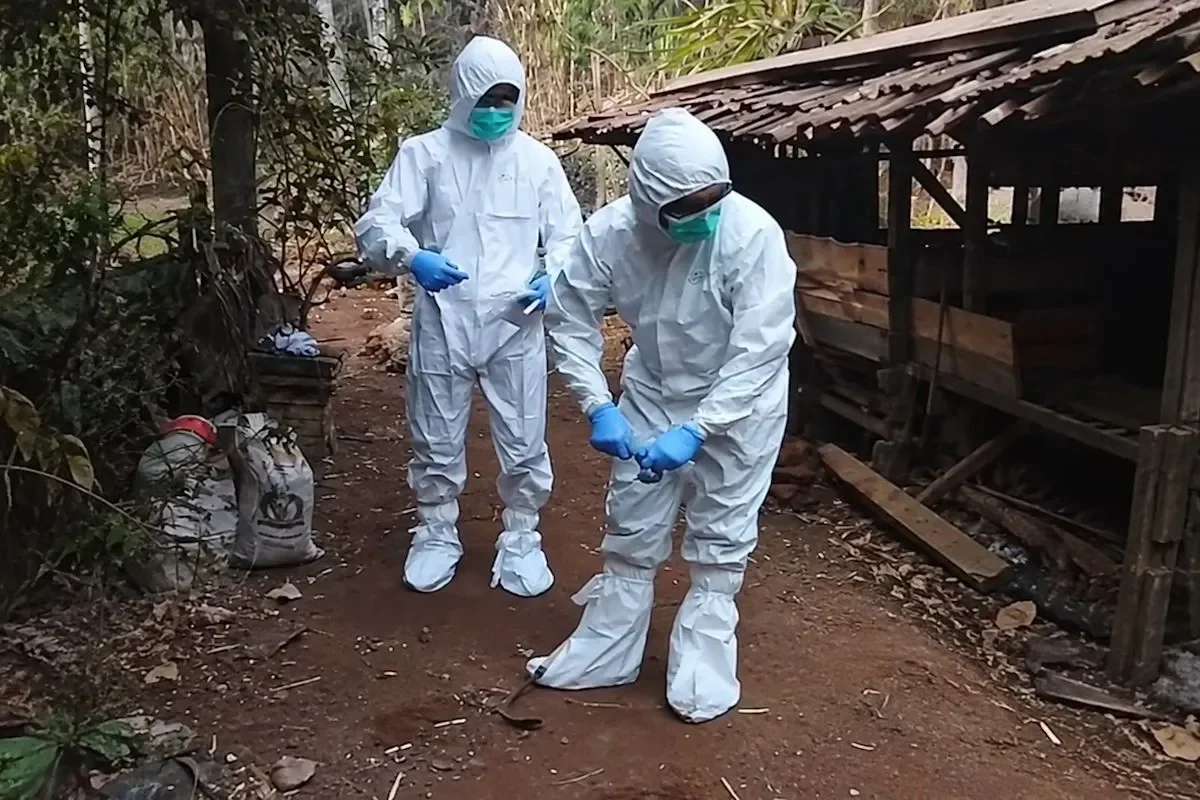
RRI.CO.ID, Gunungkidul - The Indonesian Ministry of Agriculture has intensified support for the Gunungkidul Regency Administration following confirmed anthrax cases in Dadapayu Village, Semanu District, Yogyakarta.
Officials say the response combines epidemiological investigation, livestock health services, disinfection, vaccination, and laboratory testing to contain the spread.
“Handling is carried out in an integrated manner. Veterinary officers and local authorities have conducted epidemiological tracing, livestock treatment, disinfection, vaccination, and laboratory examinations,” Director of Animal Health at the ministry, Hendra Wibawa, said at the Directorate General of Livestock and Animal Health Services in Jakarta on Sunday, October 4, 2026, as quoted by Antara.
| Baca juga: Stay Fresh and Healthy with Water Apples |
Local authorities began tracing on September 11, followed by disinfection and treatment of affected livestock on September 12. By September 14, antibiotics and vitamins were administered to 88 goats and 11 cattle in Dadapayu. Anthrax vaccinations commenced on September 28 to strengthen livestock protection and reduce future risks.
Hendra urged residents not to slaughter, distribute, or consume livestock that are sick or die suddenly, stressing that early reporting is crucial for swift intervention.
“If livestock are sick or die suddenly, they should not be consumed. Report immediately to veterinary officers for proper examination and handling,” he said.
The ministry’s Veterinary Center in Wates (BBV Wates) confirmed the presence of Bacillus anthracis in soil and swab samples. Head of BBV Wates, Nur Saptahidhayat, emphasized that laboratory confirmation is vital for accurate diagnosis and rapid response, forming the basis for cross‑sector coordination in tackling zoonotic diseases.
Authorities continue surveillance, livestock health monitoring at markets, and evaluation of disinfection measures. Residents exposed to livestock or animal products have received prophylactic treatment, while remaining meat has been destroyed by local veterinary services.
The ministry underscored that anthrax control requires integrated cooperation between veterinary and human health sectors, combining laboratory results, epidemiological tracing, and public communication. Efforts will remain ongoing to safeguard livestock health and protect communities from zoonotic threats. ***
News Recomendation
Loading latest news.....