



Hearing Loss not Just an Age Problem, It Could Happen to Youth
- 22 Sep 2026 12:59 WIB
- Voice of Indonesia
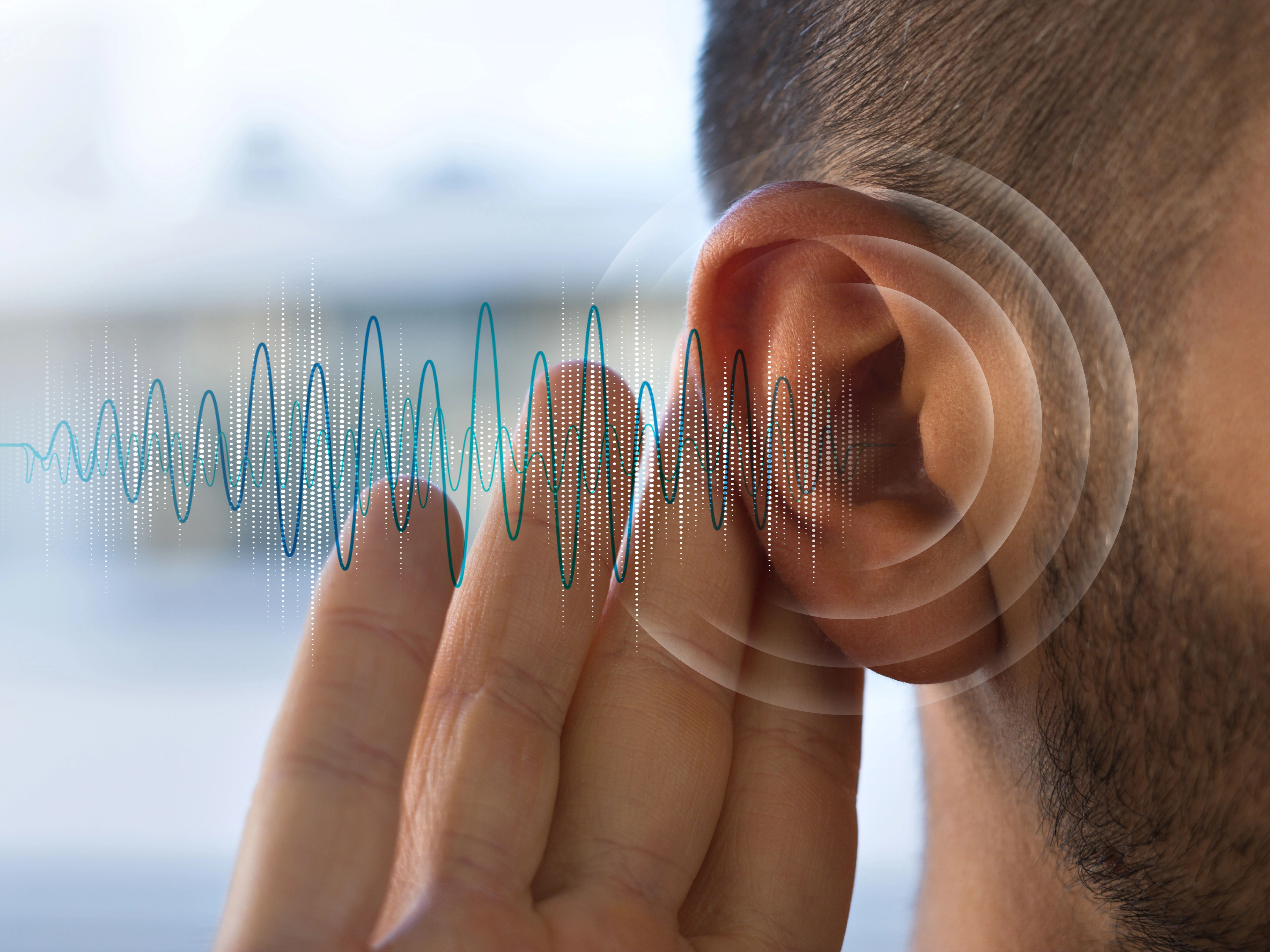
RRI.CO.ID, Jakarta — Hearing loss is often associated with ageing, but Indonesian researchers have found signs of reduced hearing even among young people. Allya Paramita Koesoema, Biomedical Engineering researcher at Bandung Institute of Technology (ITB) on Monday, September 21, 2026, highlighted the potential impact of everyday exposure to loud sounds.
“What was quite surprising was that some of the participants, who were university students and relatively young, had already begun to experience hearing loss,” she said in a webinar held by the National Research and Innovation Agency.
The observation emerged during testing involving university students as part of research into hearing assessment technology. Koesoema said some participants who were still young had already shown signs of hearing decline.
One possible factor is exposure to loud music. She also pointed to occupational noise, noting that workers in some industries in Indonesia, including construction, may not consistently use appropriate hearing protection.
According to her, hearing problems can have different causes and can occur at any age. Some people are born with congenital hearing loss, while others develop problems following accidents, disease, prolonged exposure to excessive noise or ageing.
“The later it is detected, the more difficult rehabilitation and recovery become,” she stated, explaining that prevention should therefore be part of the hearing-care cycle, alongside screening, diagnosis, treatment and monitoring.
| Baca juga: Smart Shopping Starts with Labels |
Early detection is particularly important for children. Koesoema said hearing loss that goes undetected during early childhood can affect language and communication development and subsequently influence education.
For newborns, they are pointed to otoacoustic emission (OAE) and auditory brainstem response (ABR) testing as tools used to identify hearing problems early. However in Indonesia, according to her, access to newborn hearing screening remains limited.
To help with this problem Koesoema and her research team are also developing simpler screening approaches that could be used at schools, community health posts and primary healthcare facilities. Their work includes a child-development screening application for community health posts and early-childhood education facilities, as well as portable hearing-testing equipment.
The broader goal, she said, is to move hearing care beyond specialist hospitals and make prevention and early detection part of routine healthcare. This approach would help ensure that hearing problems are identified and addressed throughout people’s lives, from childhood to old age.
Globally, hearing loss in youth is also a problem. World Health Organization (WHO) estimates that more than 1 billion people aged 12 to 35 are at risk of hearing loss from unsafe recreational exposure to loud sounds, including through personal audio devices, entertainment venues and digital environments.
Through its “Make Listening Safe” initiative, WHO has released standards for safe listening devices, venues, events, video gaming and esports, while also supporting awareness campaigns and research into unsafe listening practices. Preventable hearing damage among young people can be reduced by promoting safer listening practices and raising awareness of the risks associated with excessive sound exposure.
News Recomendation
Loading latest news.....