



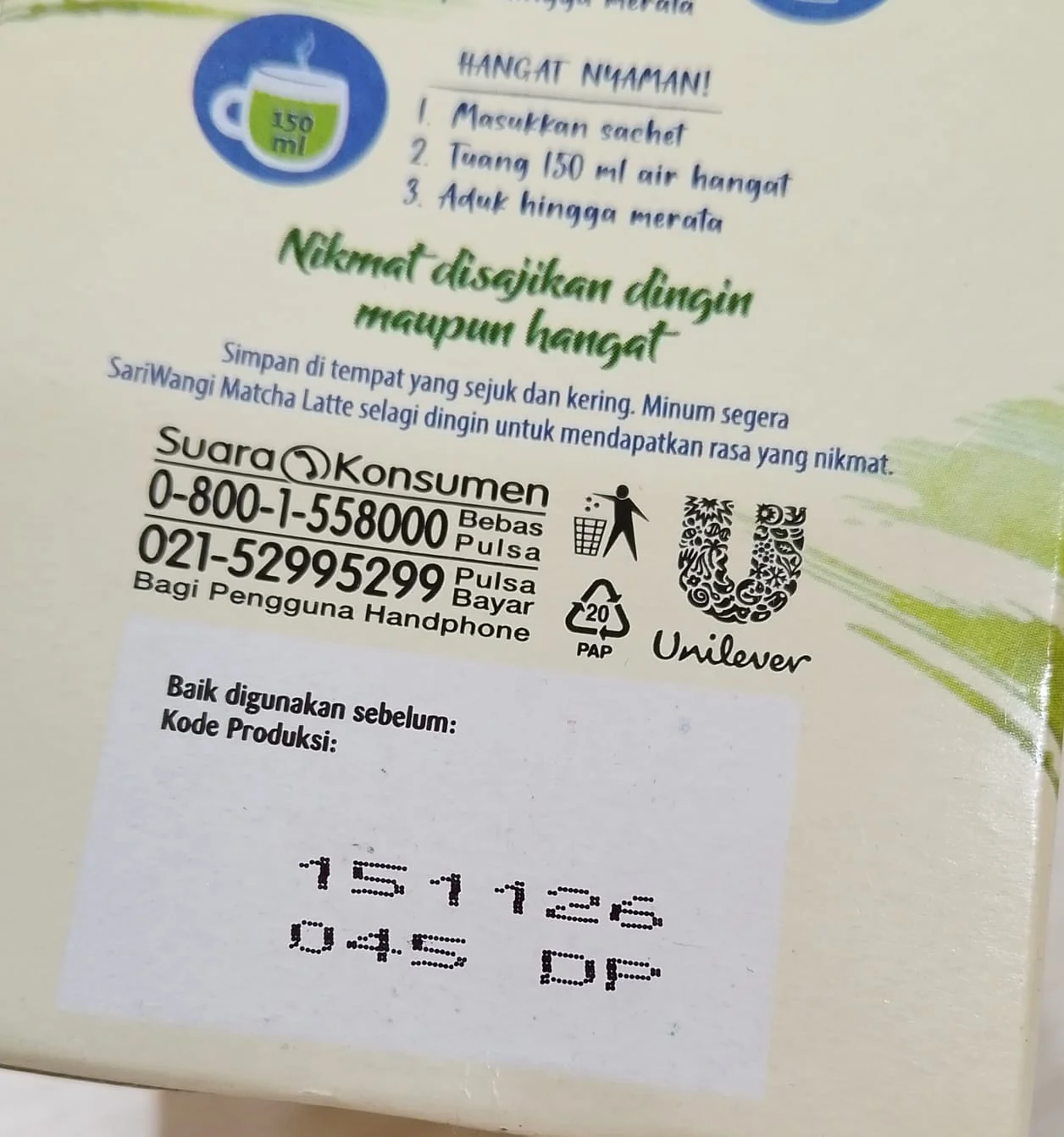
RRI.CO.ID. Jakarta - Labels of Food and beverage packaging does more than just hold a product. It is the main source of information for consumers to decide what to buy, how to store it, and when it is safe to eat. Yet many people still misunderstand the dates and terms printed on labels, which often leads to unnecessary food waste and confusion.
Terms such as “best by,” “use by,” “sell by,” and “best before” are not the same, even though they sound similar. Based on food safety experts, most of these dates do not tell you when food becomes unsafe. Instead, they usually indicate how long a product will maintain its peak quality in terms of taste, texture, colour, and nutritional value.
Nicole Arnold, an assistant professor and food safety specialist at Ohio State University, explained that “food product dating rarely indicates when the food is safe to eat.” This means consumers should not rely on dates alone. Understanding the difference between quality and safety is the first step to making smarter choices and reducing the $150 billion worth of food that U.S. households waste each year.
Some foods require you to respect the date strictly for safety reasons. Packaged deli meats, chicken, hot dogs, fresh meat, poultry, fish, seafood, infant formula, and baby food should be discarded after the “use by” date. As Donald W. Schaffner, a food science professor at Rutgers University, notes, “you cannot use appearance, smell and taste to assess safety because pathogenic bacteria are invisible.” For young children, whose immune systems are still developing, heeding these dates is even more important.
Other products offer more flexibility. Dairy items like milk, yogurt, sour cream, cheese, and butter can often be used past the printed date if they have been stored properly at 40°F or below. Milk may last 5–7 days past “best by,” hard cheese 3–4 weeks, yogurt 1–2 weeks, and butter 1–3 months. Eggs can also be safely cooked and eaten 1–2 weeks after the date. Still, once opened, these foods become more perishable and should be checked for smell, taste, and signs of mold before use.
For pantry staples such as cereal, crackers, cookies, pasta, rice, sauces, juices, and snack foods, consumers can use their own judgment. Registered dietitian Julia Zumpano says, “I don’t believe that eating stale cereal is harmful to your health. It just might not taste good.” For these items, your senses are the best guide. If something smells off, looks strange, or has a bad texture, it is better to throw it away.
To minimize waste and maximize quality, experts recommend a few practical habits. Rotate stock in your fridge and pantry so older items are used first. Keep your refrigerator clean to prevent bacteria from spreading. And follow the simple rule: “When in doubt, throw it out.” This applies especially to nuts and oils that smell rancid, or vegetables that have become mushy.
Ultimately, reading packaging wisely means paying attention to all the information provided, but also understanding what it really means. As Schaffner puts it, “Consumers should pay attention to all of them to manage the food they’re bringing into their homes. Nobody wants to eat poor quality food.” By being informed and practical, we can protect our health, save money, and help reduce global food waste—one label at a time.
Source : Nat Geo Health
News Recomendation
Loading latest news.....