



Govt Hopes 60 Percent of Health Spending Can be Covered Through BPJS
- 04 Sep 2026 17:13 WIB
- Voice of Indonesia
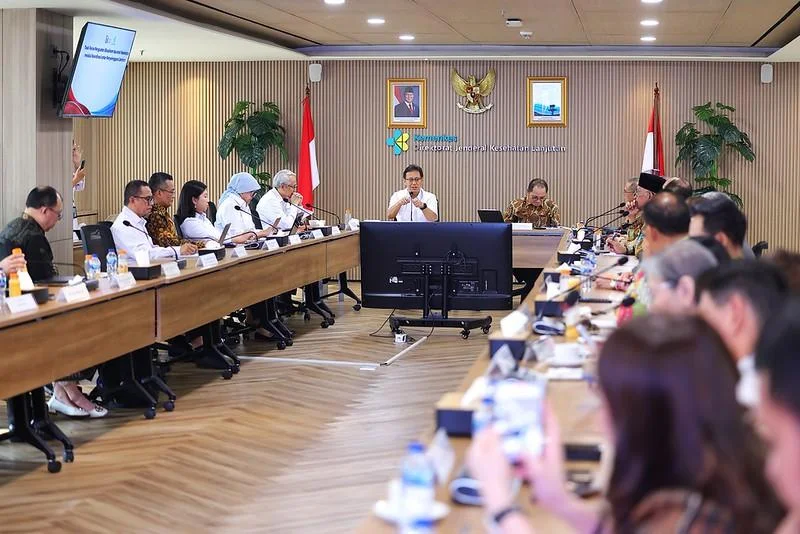
RRI.CO.ID, Jakarta - Indonesia's Ministry of Health and the Financial Services Authority (OJK) held a signing ceremony in Jakarta on Thursday, September 3, 2026, bringing together 50 insurance companies and 70 hospitals under new cooperation agreements. The move is part of a broader effort to strengthen the country's healthcare financing ecosystem, aiming to make medical services more efficient, higher quality, and sustainable for the public.
Health Minister, Budi Gunadi Sadikin, said the initiative falls under the fourth pillar of the government's Health Transformation program, which focuses on reforming the healthcare financing system. He stressed that the goal is to keep healthcare costs as low as possible for the public while maintaining strong outcomes and building a system that can grow sustainably over time.
According to the minister, Indonesia's national health spending currently reaches around Rp640 trillion (roughly USD 40 billion) per year. However, most of that spending is still not covered by insurance, with a large share instead paid directly by companies or out of pocket by individuals. To address this, the government is aiming to have 80–90 percent of individual health spending covered by insurance schemes going forward, so that people can still access affordable care even if they fall ill or lose their jobs.
Of that target, the government hopes about 60 percent of health spending can be covered through BPJS Kesehatan, the national health insurance program, with the remainder strengthened by commercial health insurance. Under this model, when patients seek treatment at hospitals, the bill would no longer fall directly on patients or their employers, but instead be settled by insurers—whether BPJS or private companies.
The Ministry is also pushing for closer coordination between BPJS Kesehatan and private insurers, particularly through data-sharing for people who hold more than one type of coverage. The aim is to prevent duplicate premium payments and ensure hospitals only need to process a single payment channel per patient.
On the regulatory side, Ogi Prastomiyono, OJK's Executive Head of Insurance, Guarantee, and Pension Fund Supervision, said the push aligns with new provisions under Financial Services Authority Regulation (POJK). The rule requires insurers to offer health insurance products both with and without "risk sharing" and Insurers must also establish a Medical Advisory Board and re-register with OJK before offering health insurance products under the new framework.
The cooperation between insurers and hospitals is expected to serve as an early step toward building a more integrated healthcare financing ecosystem. Officials say the cross-sector collaboration should provide the public with better financial protection while helping keep the national health system efficient and sustainable in the long run.
News Recomendation
Loading latest news.....