



Managing Work Stress: Maintaining Mental Health Amid Professional Demands
- 29 Mei 2026 09:05 WIB
- Voice of Indonesia
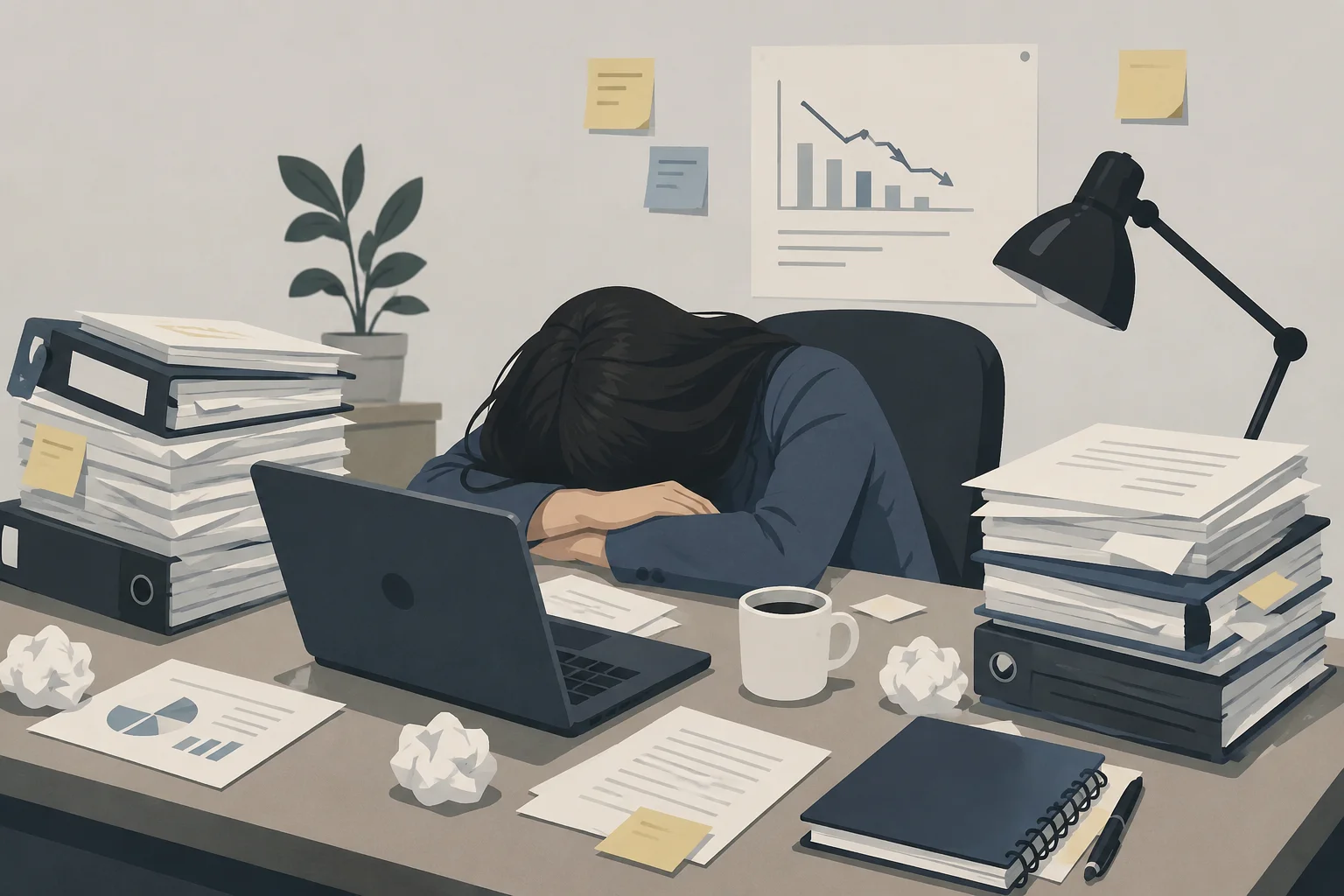
RRI.CO.ID, Jakarta – Working is not only a means of earning a living, but also plays a role in building self-confidence, life purpose, and personal achievement. However, behind these benefits, increasing pressure in the workplace has also triggered more serious mental health issues.
As quoted by the Ministry of Health’s “Ayo Sehat” page, World Health Organization (WHO) data showed that around 12 trillion working days are lost each year due to depression and anxiety. This condition not only affects individuals but also global workforce productivity.
Work Stress and its Forms
Work stress generally occurs when job demands do not align with an employee’s abilities, knowledge, or available resources. This condition can appear in various forms, ranging from acute stress, prolonged exhaustion (burnout), to fear-related stress regarding work situations.
In acute stress, symptoms may appear physically such as increased heart rate, blood pressure, and breathing rate. Emotionally, workers may feel anxious, easily irritated, and lose motivation. Meanwhile, cognitively, stress can reduce concentration and trigger negative thinking patterns. Behavioral changes such as withdrawing from work or increased absenteeism are also common.
Burnout is characterized by prolonged physical and emotional exhaustion, which can lead to decreased performance and even depression. Meanwhile, fear-based stress, such as fear of losing a job, can trigger prolonged bodily responses and negatively affect health.
Common Causes in the Workplace
Several factors are known to be the main causes of work stress, including high workloads, unclear job roles, and limited control over work tasks. In addition, lack of managerial support, poor workplace relationships, and threats of layoffs also contribute to worsening psychological conditions among employees.
Unsafe working environments, bullying, discrimination, and weak organizational structures further increase the risk of work-related stress.
Efforts to Manage Work Stress
Managing work stress requires awareness and adaptive steps from both individuals and the work environment. One important initial step is identifying specific sources of stress, whether they come from workload, workplace relationships, or job uncertainty.
Setting priorities and managing time effectively are key to reducing pressure. Employees are also advised to set clear boundaries between working time and personal time to maintain life balance.
In addition, relaxation techniques such as deep breathing, meditation, or other calming activities can help reduce tension. Light physical activities such as walking, yoga, or simple exercise are also proven to help stabilize emotional conditions.
Building mental resilience is also an important factor in facing workplace pressure. By reframing problems and focusing on solutions, workers can better adapt to emerging challenges.
A supportive work environment also plays a major role in maintaining mental health. Good relationships with colleagues and supervisors can create a more positive and conducive workplace atmosphere. On the other hand, sharing concerns with trusted individuals or seeking professional help is an important step when stress begins to interfere with daily activities.
Maintaining Balance
In the midst of a constantly changing work environment, maintaining mental health is an essential need. Balancing work and personal life is key to ensuring productivity without compromising psychological well-being.
Collective efforts from employees, management, and the workplace environment are needed to create a healthier and more sustainable work ecosystem.
News Recomendation
Loading latest news.....