



Bali’s HIV Cases Linked to High Mobility and Open Healthcare Access
- 21 Apr 2026 15:53 WIB
- Voice of Indonesia
Key Points
- The Bali Health Agency reports 31 percent of HIV cases come from non-residents accessing treatment in Bali.
- High mobility and open healthcare access make Bali a regional hub for HIV testing and antiretroviral (ARV) services.
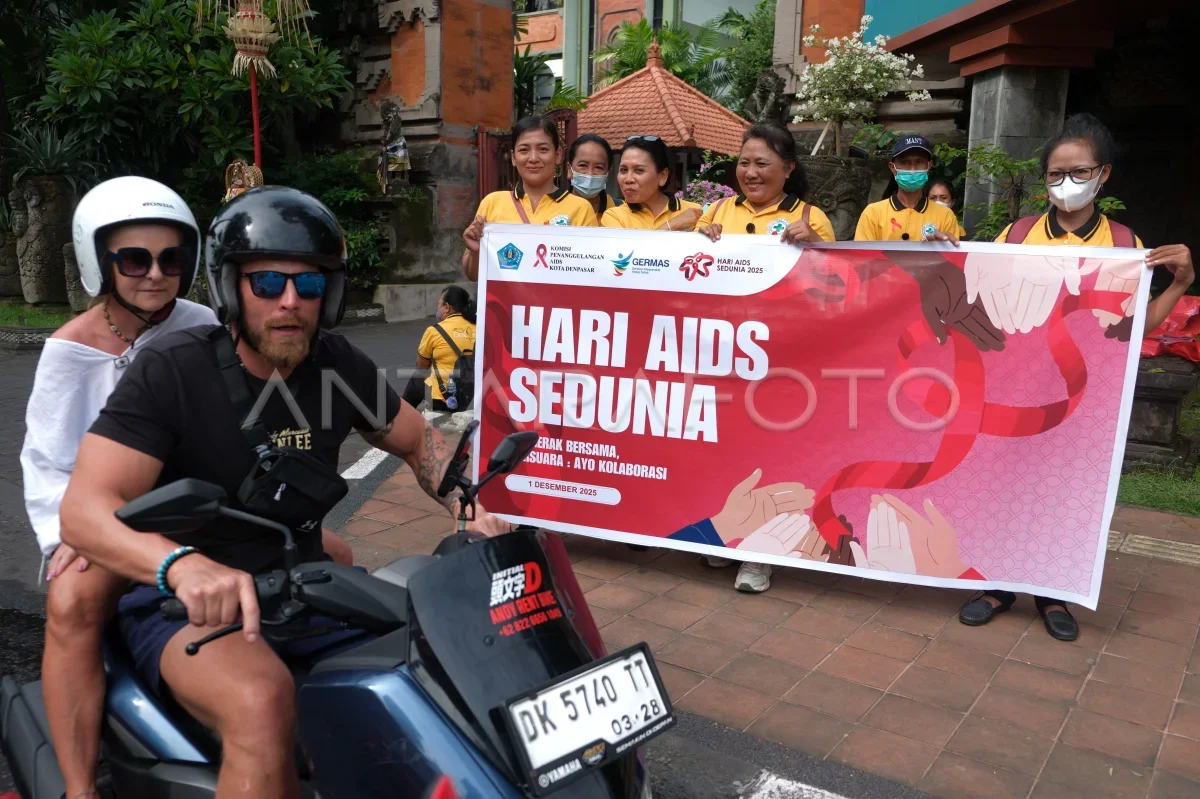
RRI.CO.ID, Denpasar - The Bali Health Agency has clarified that approximately 31 percent of the HIV/AIDS cases recorded in the province throughout 2025 involved foreign nationals and Indonesian citizens without Bali residency (KTP), highlighting the island’s role as a regional hub for medical access.
The announcement aims to provide context to recent data ranking Bali as the ninth-highest province for HIV/AIDS cases in Indonesia, a ratio that appears disproportionately high when measured strictly against the local population.
Head of Disease Prevention and Control (P2P) at the Bali Health Agency, I Gusti Ayu Raka Susanti, explained that the province’s comprehensive healthcare infrastructure draws patients from across the archipelago and abroad who seek both anonymity and reliable treatment.
“If we look at why HIV cases are high in Bali, it is because HIV data includes every patient accessing treatment, and in reality, many patients from outside Bali Province access treatment here; 31 percent are from outside Bali,” Raka Susanti said in Denpasar on Tuesday, April 21, 2026, as quoted by Antara.
Official records show 2,039 cases were logged over the past year. Officials argue that comparing this figure solely to Bali’s 4.4 million residents is misleading, as more than 600 of those individuals are non-residents.
“Yes, it is not accurate to compare because many indeed access services from outside Bali. Perhaps they do not want to be known in their own regions, so that is one factor; in Bali there are also foreigners, and people from other provinces too,” she added.
The accessibility of Bali’s healthcare system is a primary driver for these statistics. Every community health center (Puskesmas) and regional hospital across the island is equipped to provide testing and antiretroviral (ARV) medication. This network is further bolstered by non-profit foundations that mobilize patients, offer counseling, and ensure adherence to treatment.
Raka Susanti further noted that many patients were already positive before arriving in Bali and only appear in provincial data because they collect their medication there. Because ARV distribution is managed centrally by the national government, the provincial office must record every patient served to ensure an adequate supply of medicine.
“Patients who access services, get tested here, are identified as cases here, or only receive treatment here, their data enters our system regardless of where they are from; many foreigners also access medicine here because the distribution comes from the center, so what we use must match the number of patients,” she explained.
While Bali currently tracks 14,314 people living with HIV, the central government has set a target for the province to identify up to 27,081 cases to ensure wider treatment coverage. To manage the spread, the provincial administration continues to focus on safe blood transfusions, intensive screening, and public education.
“For example, these HIV patients must take medicine for life and undergo viral load testing to monitor the virus in their bodies; that is the key to not transmitting it to their partners, and the public must also not stigmatize patients so they can be open," Raka Susanti concluded. ***
News Recomendation
Loading latest news.....