



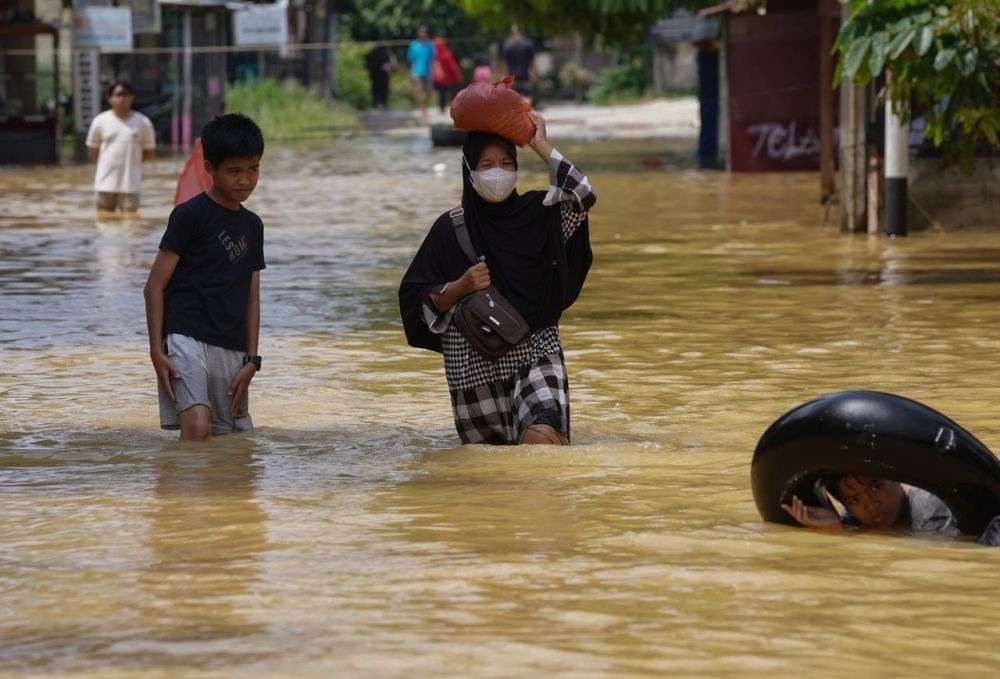
RRI.CO.ID, Jakarta – The rainy season, with its heavy rainfall, is often only perceived as a time of flooding and traffic jams. However, seemingly ordinary puddles pose a silent threat to city dwellers, especially in densely populated areas with poor sanitation, as they can spread zoonotic diseases such as leptospirosis.
The Banjarmasin City Health Agency in South Kalimantan notes that high-intensity rain seasons are always accompanied by the emergence of environmentally related diseases. Leptospirosis is on the list of diseases to watch out for, along with diarrhea, dengue fever, acute respiratory infections (ARIs), skin diseases, and typhoid fever. These diseases are caused by contaminated water and food.
"Stagnant floodwaters become a medium for transmitting various diseases, especially leptospirosis, which originates from rat urine," the agency stated in its health release.
| Baca juga: Stay Fresh and Healthy with Water Apples |
Humid environmental conditions and poor personal hygiene increase the risk of transmission in densely populated areas.
The Ministry of Health confirms that leptospirosis is an infectious disease caused by Leptospira bacteria that enter the body through abraded skin or mucous membranes. Transmission generally occurs when people come into direct contact with floodwater, mud, rivers, or contaminated sewers.
"Leptospira bacteria can enter through small wounds that often go unnoticed," the Ministry of Health states on its official website. Therefore, washing your feet and hands with soap after wading through standing water is a simple yet highly effective measure.
The problem is that the initial symptoms of leptospirosis often resemble the common flu. Sudden fever, weakness, red eyes, headaches, and calf muscle pain are often considered minor and treated at home.
However, the Ministry of Health warns that in advanced stages, leptospirosis can cause serious disorders such as jaundice, kidney damage, and bleeding. "If symptoms appear, people are asked to immediately seek medical attention and not self-medicate," states the Ministry of Health.
The WHO technical guidelines on leptospirosis describe this disease as a global health problem that often goes unnoticed in developing countries. The WHO emphasizes that the risk increases in areas with poor sanitation, inadequate waste management, and uncontrolled rat populations.
The WHO also recommends community-based prevention, including the use of personal protective equipment such as boots and gloves, rodent control, and public education about the dangers of direct contact with floodwater. Early detection and treatment are considered crucial for reducing mortality. (Misni Parjiati/Bambang MBKA)
News Recomendation
Loading latest news.....