



Waste Management Initiative Brings Sustainability Focus to FKY 2026
- 22 Sep 2026 03:45 WIB
- Voice of Indonesia
Key Points
- The 2026 Yogyakarta Cultural Festival (FKY) partnered with Surya Mulya Waste Bank to reduce event waste.
- Waste Management Coordinator Farid detailed a multi-stream disposal strategy for festival waste.
- Organizers highlighted the initiative as an educational model for sustainable public gatherings.
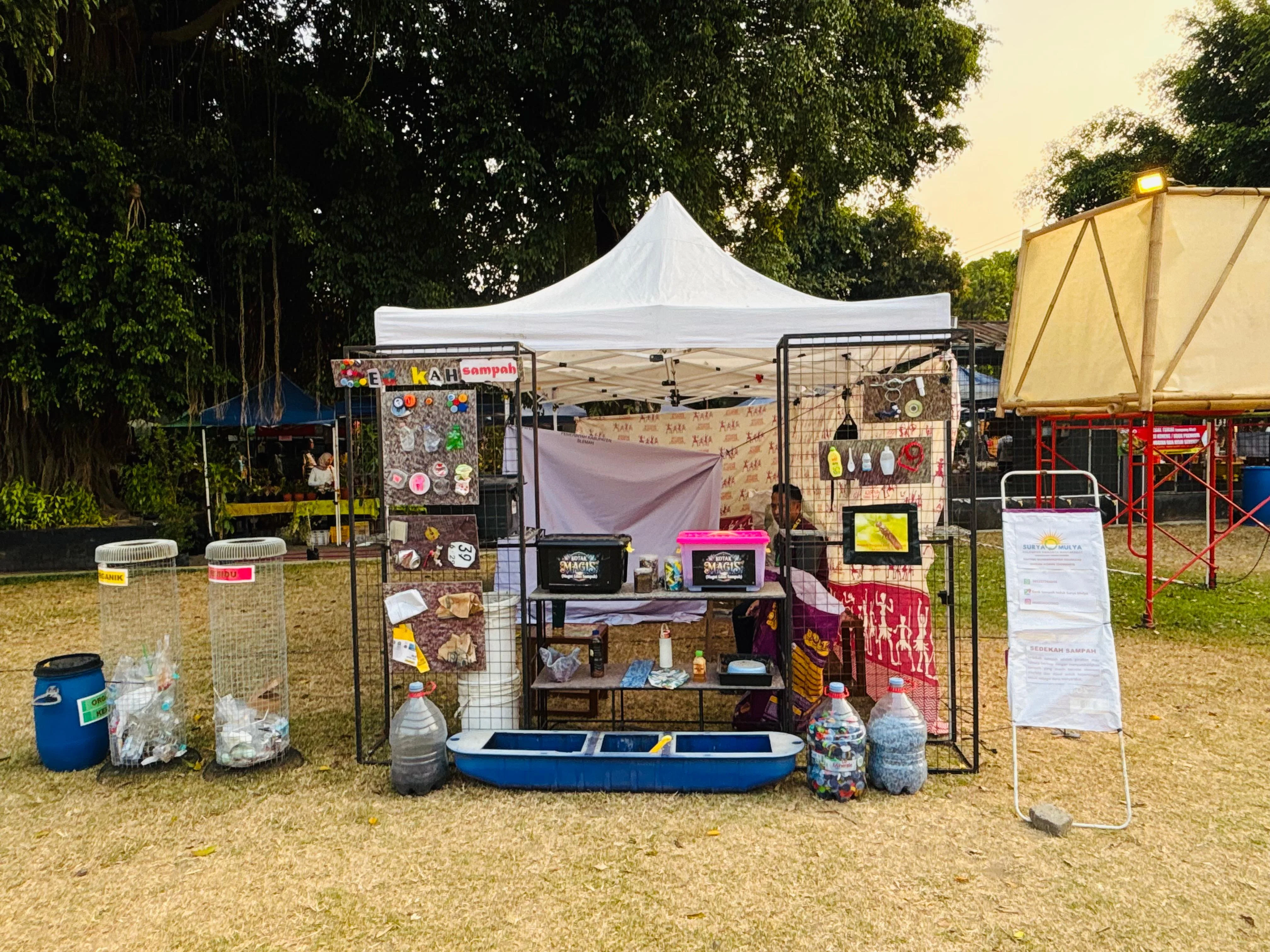
RRI.CO.ID, Sleman - More than a showcase of art, language, and cultural expression, the 2026 Yogyakarta Cultural Festival (FKY) stood out for its commitment to sustainable event management, partnering with a community‑based waste organization to reduce waste and set a best‑practice model for large‑scale cultural events.
Held at Beran Square in Sleman Regency, Yogyakarta, from September 13-19, FKY 2026 carried the theme "Bahasa" (Language) under the title "AKSARA", inviting the public to view language not merely as a means of communication, but also as a gateway to understanding identity, history, values, knowledge, and social change in Yogyakarta.
Amid the festival's cultural programs, one initiative attracting attention was its integrated waste management system, operated in collaboration with Surya Mulya Community Self-Help Group/Central Waste Bank, a community-based nonprofit organization specializing in independent waste management.
Based in Gancahan Kulon, Sidomulyo Village, Godean Subdistrict, Sleman Regency, the organization operates under the Sidomulyo branch of Muhammadiyah and was tasked with managing all waste generated during the event.
Surya Mulya waste management coordinator Farid said the organization handles waste generated throughout the festival, from food scraps and recyclables to residual waste. "This is event waste management. We are collaborating with FKY, and all waste generated during the festival is managed by us," Farid said on the sidelines of the event last week.
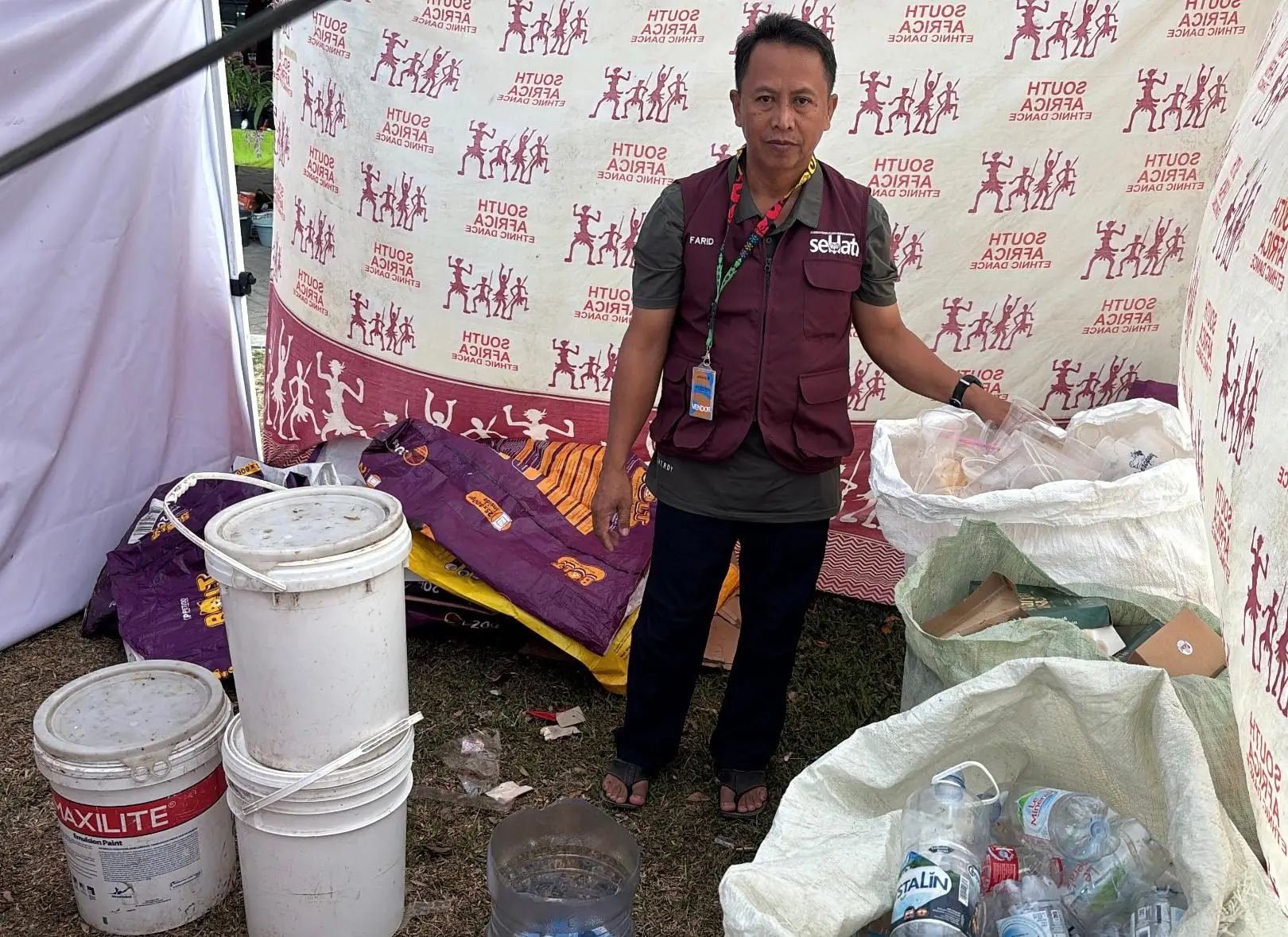
Organic waste, primarily leftover food from committee consumption, was processed using maggot bioconversion. Farid said that the process allowed organic material to decompose rapidly and reduced the amount of waste requiring disposal.
Meanwhile, recyclable materials such as plastic bottles and cups were sorted on-site before being sent to recycling industries. Only residual waste that could not be recycled was transferred to the Yogyakarta Environmental Agency (DLH), where it is used to produce Refuse Derived Fuel (RDF), an alternative fuel to coal.
Farid said the initiative aimed to demonstrate that large public events could be organized without leaving significant amounts of unmanaged waste behind. "The goal is to educate the public that waste generated from any event can be properly handled. We don't want events to leave waste problems behind," he emphasized.
The organization has supported waste management at several major events in Yogyakarta, including the Prambanan Mandiri Marathon and Ngayogjazz, and is seeking to expand its role as a specialized event waste management partner. Beyond event management, Surya Mulya also operates community waste programs involving local residents and Muhammadiyah members.
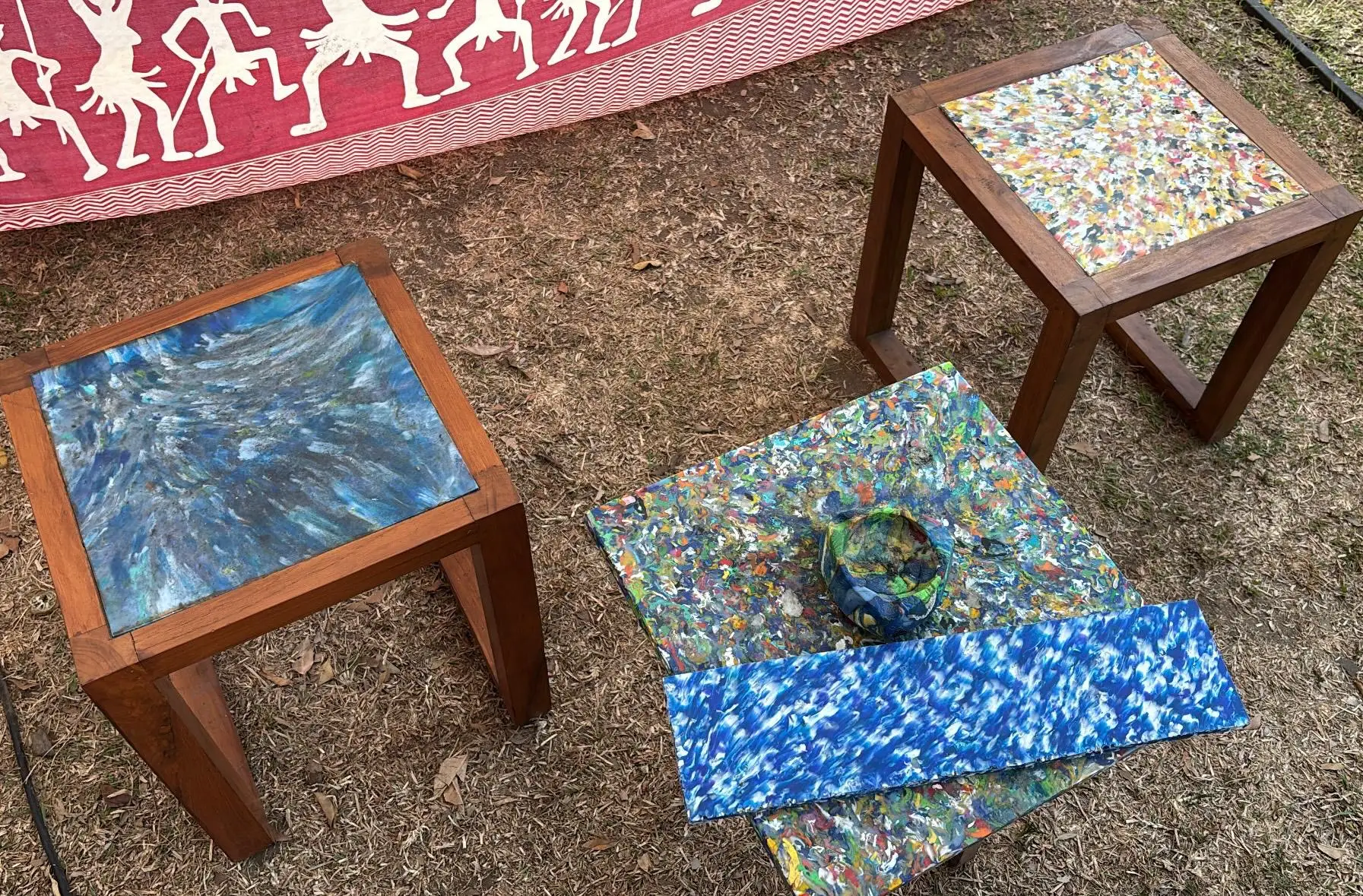
Farid emphasized that effective waste management begins at home through proper separation of organic and inorganic waste. "People need to sort their waste at home. Separate organic and inorganic waste, because when they are mixed together, management becomes much more difficult," he noted.
He encouraged residents to send recyclable waste to local waste banks while processing organic waste independently through composting systems, stacked buckets, or maggot bioconversion. According to Farid, household waste should ideally leave only a small amount of residual waste requiring government intervention.
At the festival, the waste composition reflects broader challenges in public awareness. Organic waste from leftover food averages around 13 kilograms per day, while recyclable materials are collected separately for processing. However, residual waste remains the largest category, reaching approximately 130 kilograms per day.
Farid said FKY generated up to 15 sacks of residual waste per day, with each sack weighing an average of 13 kilograms, underscoring the need for greater public awareness of waste sorting practices. "Plastic cups, bottles, and even straws can still be recycled. What we consider residual waste are materials such as styrofoam and multilayer packaging that currently have no recycling industry in Yogyakarta," he said.
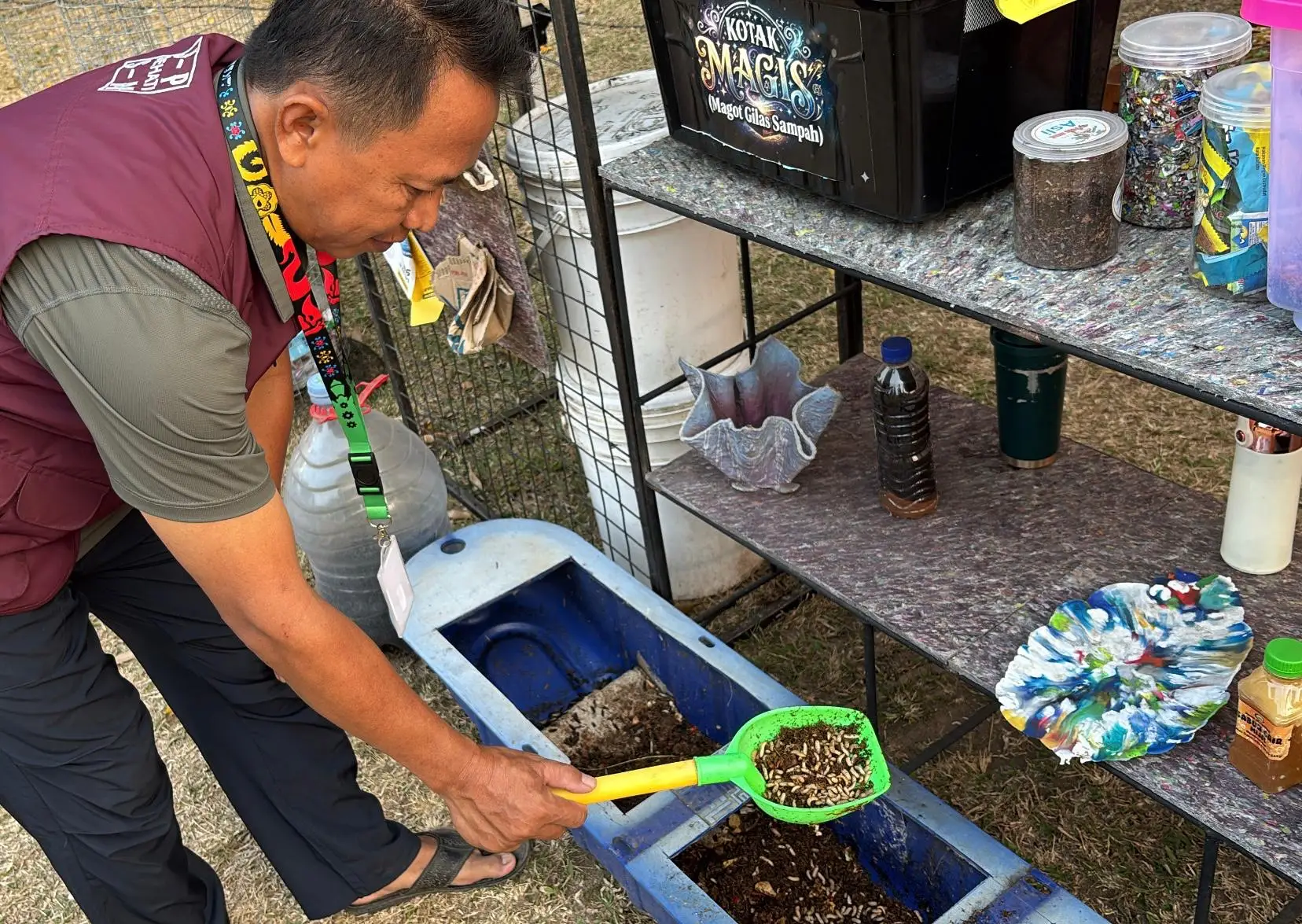
To support the sorting process, Surya Mulya installed waste collection points across the festival area using repurposed sacks converted into waste bins. Waste was collected daily before being separated into organic, recyclable, and residual categories.
Organic waste was then processed into maggot feed systems, with harvesting taking place after approximately 14 days. The resulting maggots, which are rich in protein and amino acids, can be used as animal feed, while recyclable materials are sent to industry partners and residual waste is collected by the environmental agency for RDF production.
For organizers, the initiative reflects a broader effort to ensure that a festival dedicated to cultural sustainability also incorporates environmental responsibility, demonstrating how major public events can combine cultural celebration with practical waste reduction and community education. ***
News Recomendation
Loading latest news.....