



Way Kambas Park Uses Beehive Fences to Prevent Elephant–Human Conflict
- 04 Sep 2026 17:08 WIB
- Voice of Indonesia
Key Points
- Way Kambas National Park (TNWK) is developing beehive fences as a nature‑based solution to reduce negative interactions between Sumatran elephants and surrounding communities.
- The method relies on elephants’ natural fear of bee buzzing and stings to deter them from entering community areas without harming the animals.
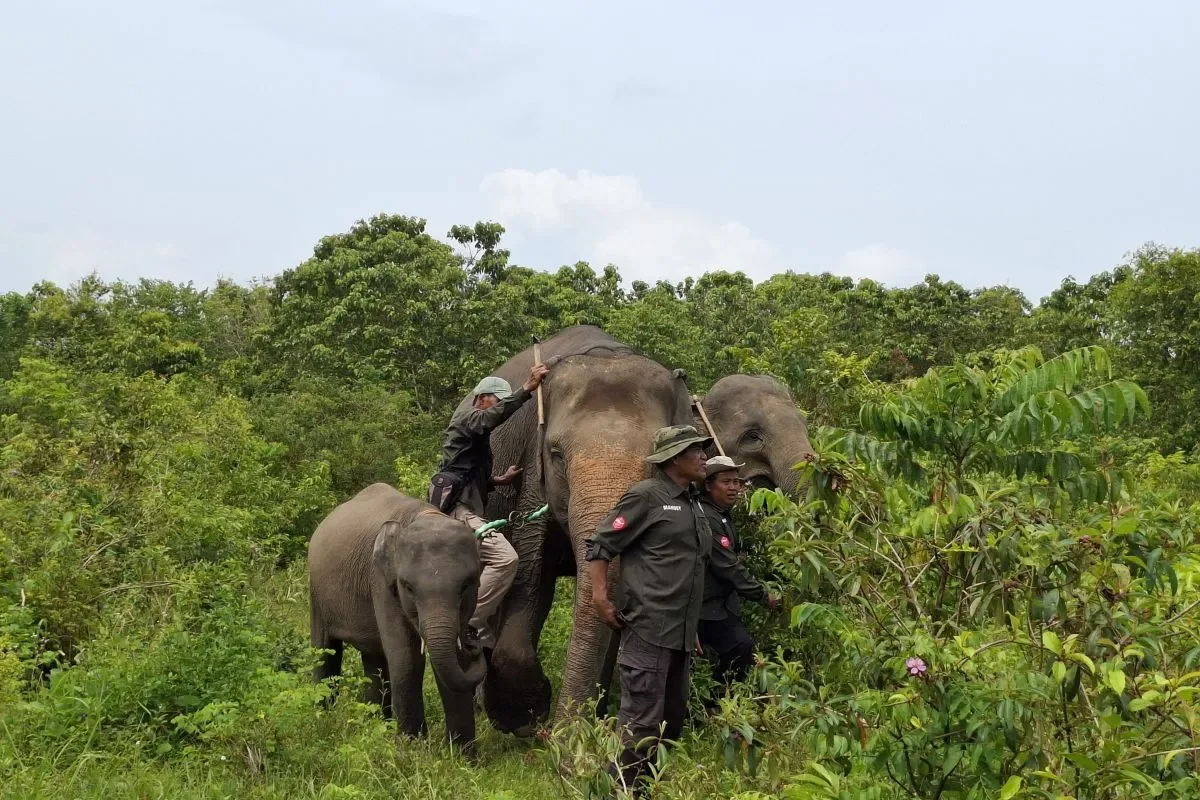
RRI.CO.ID, Lampung – The Joint Committee of Way Kambas National Park (TNWK) in East Lampung Regency, Lampung Province, has begun implementing wildlife‑friendly, nature‑based approaches to reduce negative interactions between elephants and nearby communities.
One of the key methods is the beehive fence, which leverages elephants’ natural aversion to bee buzzing and stings and has proven effective in deterring elephants without harming them.
Chairperson of the Joint Committee for Mitigation and Handling of Negative Interactions with Sumatran Elephants at TNWK, Brig. Gen. Sriyanto, described the construction of beehive fences along the park boundary as a tactical step to curb human–elephant conflict that has persisted since the 1980s.
“To address this, integrated solutions are needed, such as creating wildlife areas, utilizing technology, and promoting community‑based conservation,” Sriyanto said when contacted in South Lampung on Friday, September 4, 2026.
He explained that the beehive fence adopts a method tested in several African regions, capitalizing on elephants’ instinctive response to bees. The buzzing sound and stings can drive elephants away from fenced areas, preventing them from entering community lands without causing injury.
“Beehive fences are one of the nature‑based solutions trialed in Africa to prevent elephants from leaving conservation areas. The buzzing sound and bee stings make elephants feel afraid and keep their distance, but they do not endanger the animals,” he said, as quoted by Antara.
Beyond conflict mitigation, the program is designed to provide economic benefits to communities living in TNWK’s buffer zone through the development of local honeybee farming using the Apis cerana species.
Sriyanto said Apis cerana is well suited to Indonesia’s tropical climate, offering opportunities for community‑based enterprises while supporting ecosystem sustainability.
He added that developing beehive fences also brings ecological benefits, as the presence of bees aids pollination of plants around community farms and plantations.
This approach aims not only to reduce human–elephant conflict. More broadly, it encourages community involvement in safeguarding conservation areas through environmentally friendly economic activities.
“The presence of bees helps maintain the ecosystem and supports the pollination of plants around residents’ plantations,” he said. ***
News Recomendation
Loading latest news.....