



Indonesia’s Macaque Export Quotas Draw Global Criticism
- 06 Agt 2026 05:52 WIB
- Voice of Indonesia
Key Points
- Indonesia set a 2026 export quota of 1,928 long-tailed macaques, raising global welfare and conservation concerns.
- NGOs urge Indonesia to halt exports, strengthen protections, and align with global humane testing alternatives.
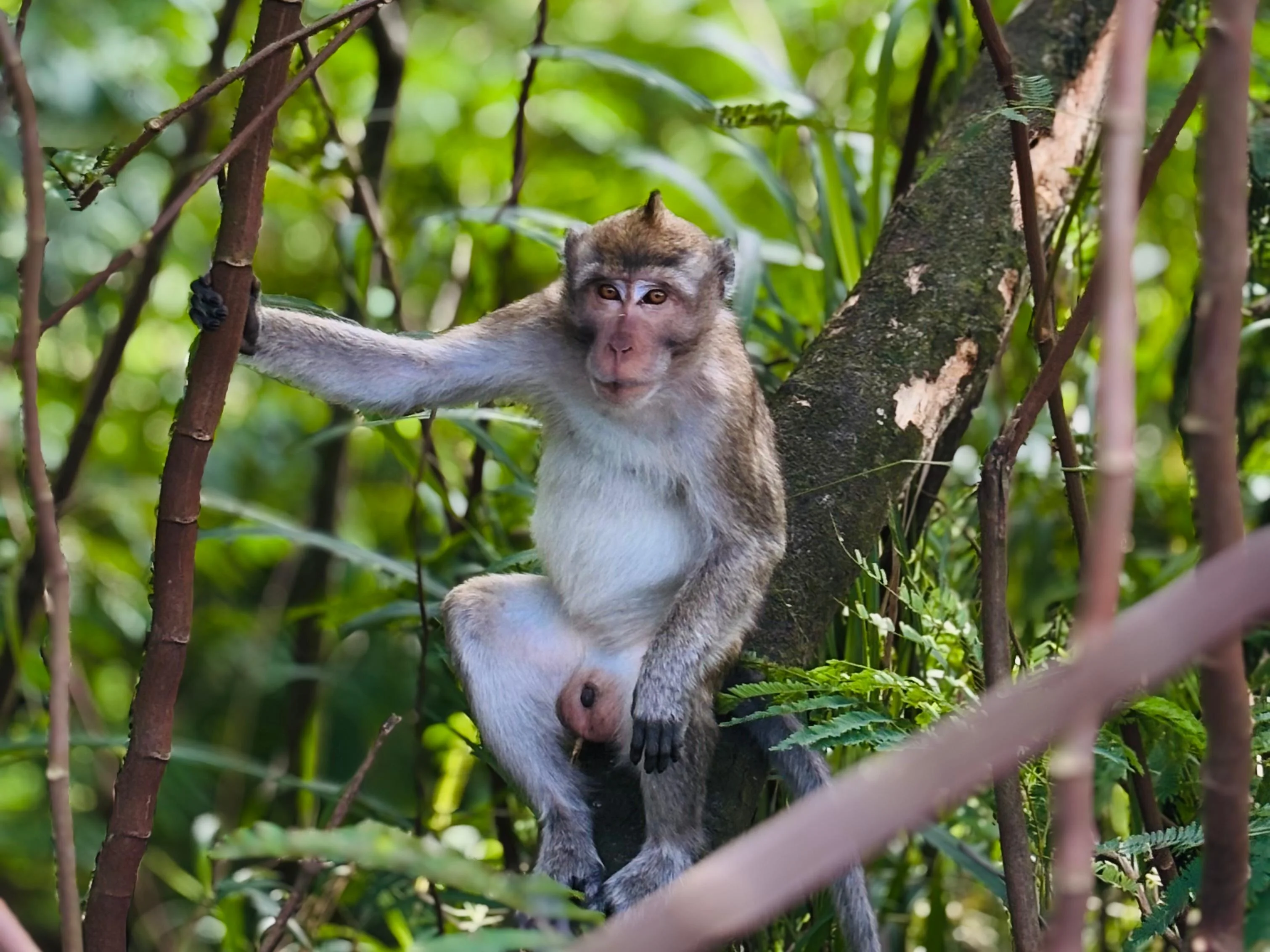
RRI.CO.ID, Jakarta – The reintroduction of export quotas for long-tailed macaques (Macaca fascicularis) from Indonesia has raised criticism from animal welfare groups, who warn the practice could impact conservation and undermine global progress toward non-animal testing.
In June 2026, the Convention on International Trade in Endangered Species of Wild Fauna and Flora (CITES) recorded an export quota of 1,928 macaques, the first since 2022.
Reports of a facility in Lampung capable of housing 4,000 macaques have also raised fears that wild-caught animals could be laundered into breeding operations.
Organizations including Action for Primates, Jakarta Animal Aid Network (JAAN), Natha Satwa Nusantara (NSN), Animal Lawyer Indonesia (ALI), Lady Freethinker (LFT), Animal Friends Jogja (AFJ), and Animals Don’t Speak Human (ADSH) expressed concern over the move, citing welfare issues and reputational risks.
Co-founder of Action for Primates, Sarah Kite, called the resumption of long-tailed macaque exports in Indonesia raises serious concerns. "Action from the Indonesian government is needed to protect macaque populations," she said in a press release, Wednesday, August 5, 2026.
Although long-tailed macaques are native to Indonesia and play an important role in biodiversity, they are considered lack specific legal protection under national law, despite being listed as Threatened on the IUCN Red List and included in CITES Appendix II.
This regulatory gap has enabled continued capture and trade, with animals sometimes entering markets, pet ownership, or social media content.
Animal welfare advocates point to global recognition that animal-based toxicity testing is unreliable for predicting human reactions. Countries such as the UK, the European Union, and the United States are investing in New Approach Methodologies (NAMs), including in vitro systems, organ-on-chips, and AI modeling, which offer humane and scientifically advanced alternatives.
“Indonesia has the opportunity to show leadership in wildlife protection by ending practices that perpetuate exploitation of long-tailed macaques,” said Co-founder of Animal Friends Jogja (AFJ), Angelina Pane, urging Indonesia to align with international trends in science, animal welfare, and conservation. ***
News Recomendation
Loading latest news.....