



Preventing Zoonosis, Gorontalo Maps Wildlife Trade Chain
- 29 Jul 2026 18:40 WIB
- Voice of Indonesia
Key Points
- The Gorontalo Provincial Administration is strengthening wildlife trade data and supply chain monitoring to reduce the risk of zoonotic disease transmission.
- Gorontalo has been identified as one of the main wildlife supplier provinces in Sulawesi, alongside Southeast Sulawesi and South Sulawesi.
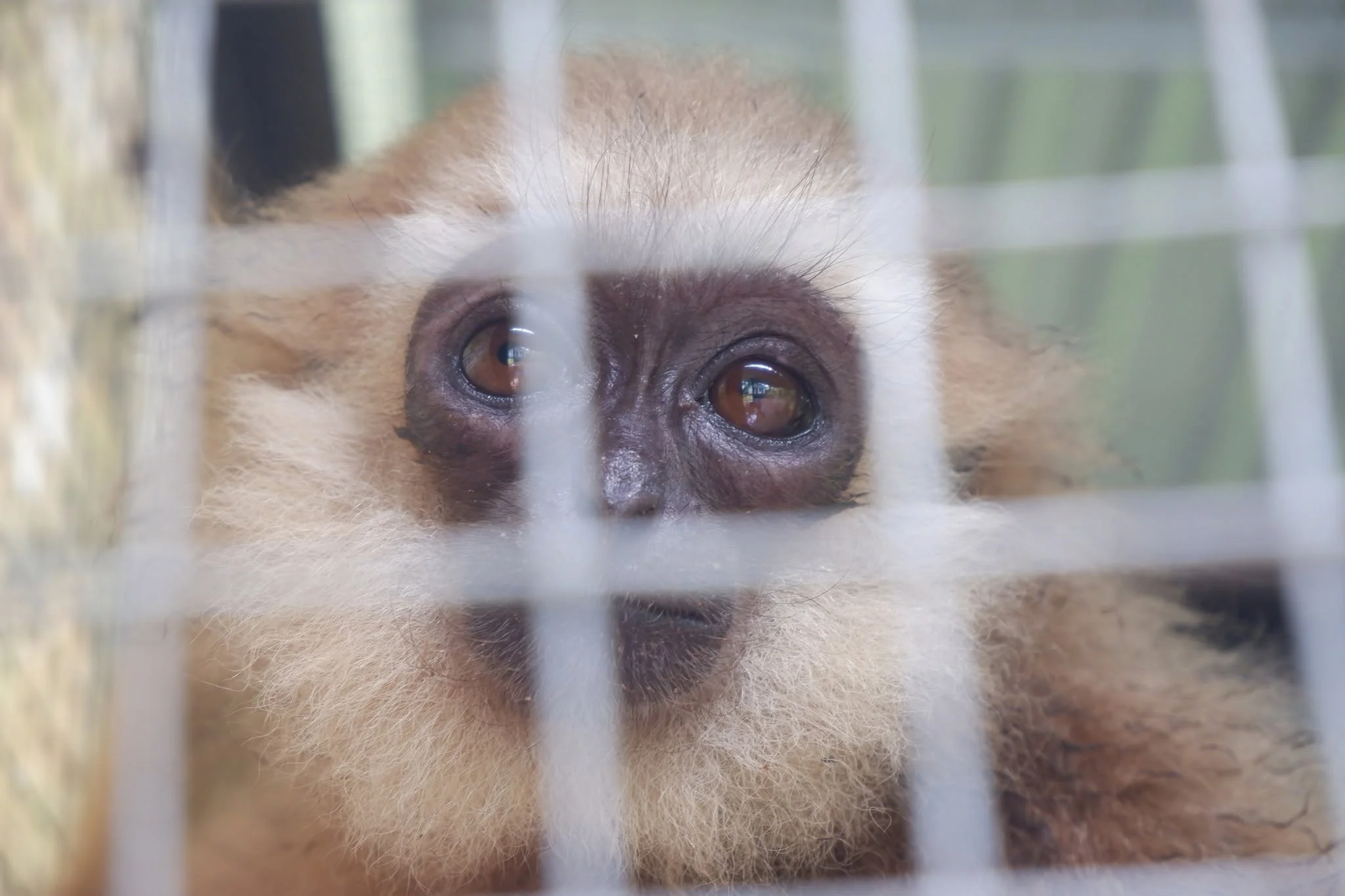
RRI.CO.ID, Gorontalo City - The Gorontalo Provincial Administration has reaffirmed its commitment to reducing the risk of zoonotic disease transmission. To achieve this, the administration is strengthening its database and intervening in the local wildlife trade supply chain.
Zoonosis refers to infectious diseases that can be transmitted from animals to humans, or vice versa.
Gorontalo Provincial Secretary, Sofian Ibrahim, said prevention efforts cannot focus only on consumer regions such as North Sulawesi, but must also target supplier provinces. As reported by infopublik.id, together with Southeast Sulawesi and South Sulawesi, Gorontalo has been identified as one of the main source areas for wildlife traded on a large scale.
“The Gorontalo Provincial Administration, together with a number of institutions, will hold an expert consultation meeting and a workshop on the wildlife trade value chain. This activity is part of the implementation of the Wildlife Wet Market (WWM) II Project in Gorontalo Province,” said Sofian Ibrahim on Tuesday, July 28, 2026.
He conveyed that stronger information support is needed through a series of in-depth studies in wildlife-supplying provinces. This research will be conducted under the Strengthening Animal Health Systems in Southeast Asia and the Pacific for a Healthy and Resilient Region” (WWM-2 Project).
Based on discussions at the inception meeting, the baseline data in supplier provinces is still scattered and not yet integrated. For that reason, an initial discussion with experts and local stakeholders is needed to gather strategic input for study planning.
Sofyan said the program is a collaboration with the Directorate General of Natural Resources and Ecosystem Conservation (KSDAE) of the Ministry of Forestry and the Food and Agriculture Organization of the United Nations (FAO) Indonesia. The meeting will be held over two days, Thursday–Friday, July 30–31, 2026.
Based on an FAO-Ministry of Forestry cooperation project funded by the Australian Department of Foreign Affairs and Trade (DFAT) in 2022–2023, titled Preparation of Plan for Reducing the Risk of Emerging Zoonotic Disease Spillover Events in High-Risk Wildlife Wet Markets and Their Value Chains in Indonesia (WWM Project), it was found that most wildlife is consumed in North Sulawesi. Those wildlife species are known to originate from other provinces on Sulawesi Island, especially Gorontalo, Southeast Sulawesi, and South Sulawesi. ***
News Recomendation
Loading latest news.....