



Over 1,400 Endangered Maleo Chicks Released Into Gorontalo Nature Reserve
- 13 Jul 2026 13:54 WIB
- Voice of Indonesia
Key Points
- More than 1,400 endangered Maleo chicks have been released into the wild over the past 12 years.
- Conservationists continue hatchery and habitat protection efforts to help restore the Maleo population.
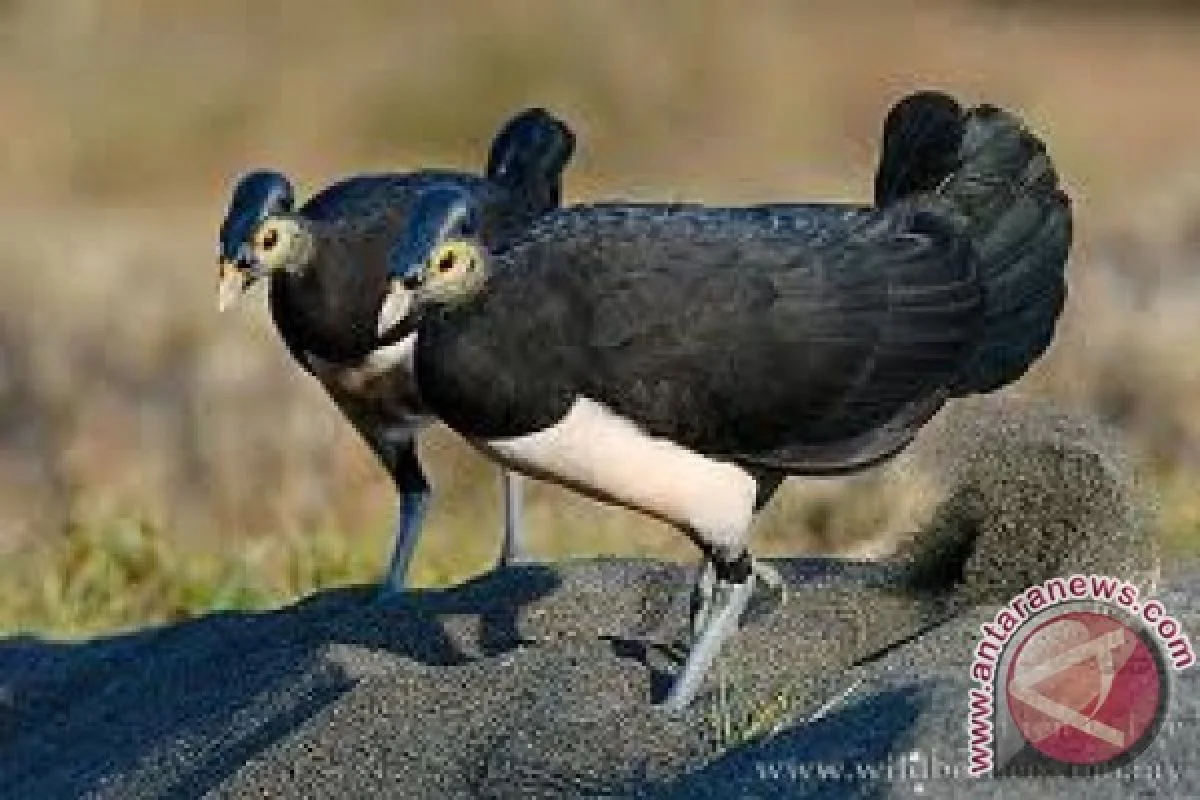
RRI.CO.ID, Pohuwato - Conservation efforts to protect the endemic and endangered Maleo bird (Macrocephalon maleo) reached a significant milestone in Sulawesi over the weekend, as field teams marked the successful release of 1,471 chicks back into the wild over a 12-year operational span.
The initiative, centered at the Panua Nature Reserve in Pohuwato Regency, Gorontalo Province, underscores the critical role of state-managed hatchery interventions in preventing the extinction of rare avian species. By artificial incubation of vulnerable eggs away from environmental threats, conservationists are building a vital demographic buffer for a unique bird species that relies on geothermal and solar energy to survive.
The latest batch of releases occurred on Saturday, July 11, 2026, when environmentalists returned eight newly hatched Maleo chicks into their natural habitat. Organized by the BirdLife International partner, Perhimpunan Burung Indonesia, the event was explicitly framed as a public campaign to bolster ecological awareness.
Gorontalo Program Coordinator for Burung Indonesia, Marahalim Siagian, emphasized that the field action aimed to heighten public concern for protected Sulawesi endemic fauna, serving as an educational tool and public campaign regarding the vital importance of habitat protection and biodiversity.
Marahalim noted that hands-on interventions are increasingly imperative given the rising environmental pressures facing the bird, which famously buries its disproportionately large eggs in communal nesting grounds heated by volcanic earth or sun-warmed sand. He identified habitat degradation, human disturbances at nesting grounds, and rampant illegal egg poaching as the primary drivers behind the species' population decline.
Consequently, managed hatchery facilities have become essential to systematically secure the survival of the species.
Complementing this ecological assessment, Head of the Panua Nature Reserve Resort, Tatang Abdullah, presented comprehensive data reflecting over a decade of intensive egg relocation and rescue initiatives.
According to Tatang, between the launch of the dedicated hatchery facility in 2014 and the end of last year, field officers successfully relocated 1,754 wild eggs, resulting in 1,403 successfully hatched and released chicks.
"This year, the number of eggs relocated from the wild to the hatchery facility reached 158, with 68 chicks successfully hatched and released into the wild. Consequently, over the past 12 years, the total number of relocated eggs stands at 1,912, with 1,471 chicks successfully released back into nature," he said on Saturday, July 11, 2026, as quoted by Infopublik.id.
The successful 12-year tracking record at Panua Nature Reserve offers a promising blueprint for wildlife preservation across the Wallacea biogeographical region. Moving forward, the Natural Resources Conservation Agency (BKSDA) and its environmental partners plan to expand community-based monitoring programs, ensuring that local villages bordering the nature reserve are actively incentivized to protect adult Maleos and leave nesting grounds undisturbed. ***
News Recomendation
Loading latest news.....