



Indonesia Unveils Regional Biodiversity Maps to Save Species
- 22 Jul 2026 18:53 WIB
- Voice of Indonesia
Key Points
- Bappenas launched Biodiversity Status Documents for Papua, Bali–Nusa Tenggara, Java, and Maluku to guide ecosystem protection and biodiversity conservation.
- The documents are based on scientific data and serve as a reference for mapping threatened species, prioritizing restoration, and supporting evidence-based policymaking.
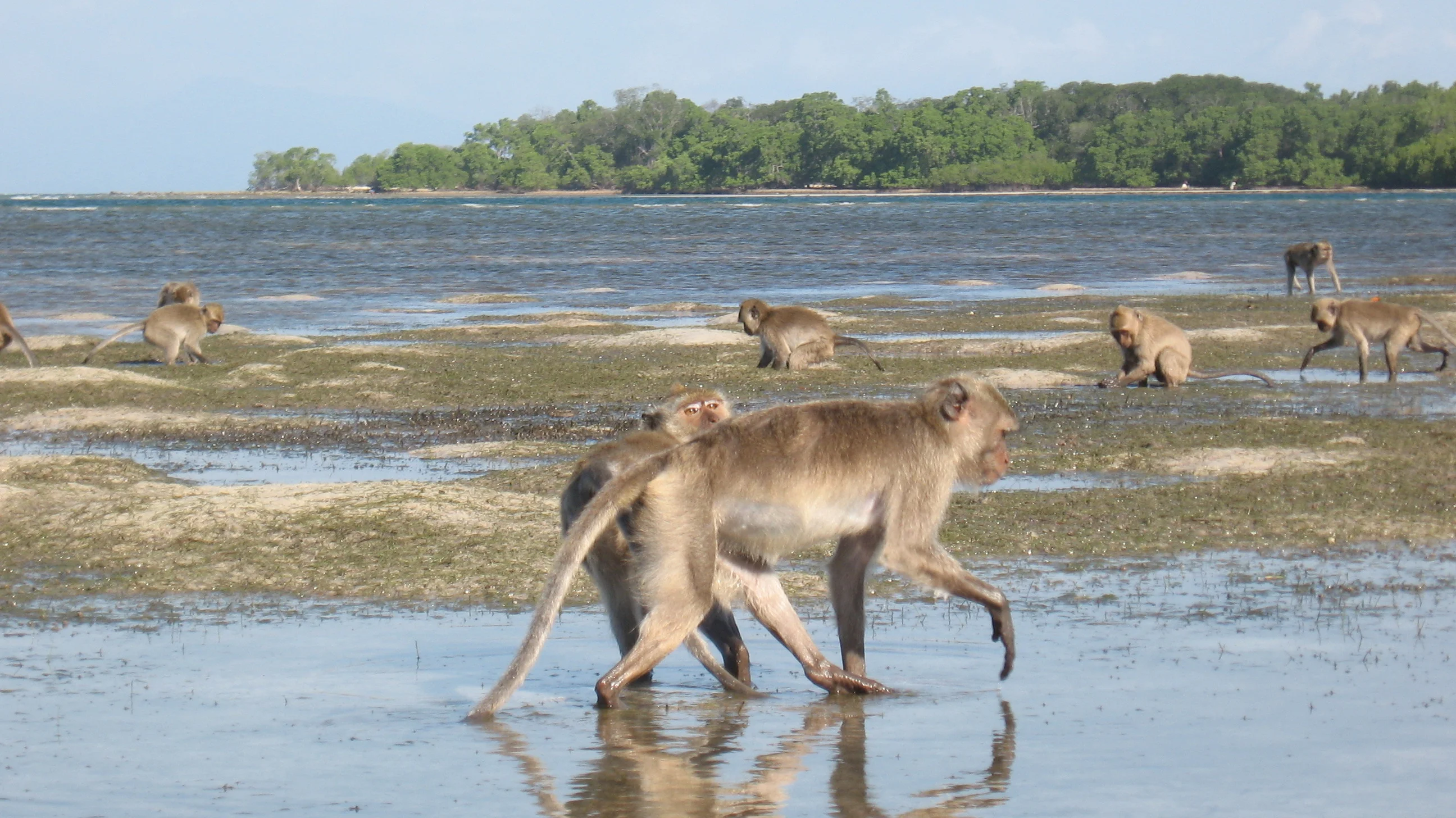
RRI.CO.ID, Jakarta The National Development Planning Ministry/National Development Planning Agency (Bappenas) has launched the Biodiversity Status Documents for four major regions, which are Papua, Bali–Nusa Tenggara, Java, and Maluku. Based on scientific data, these documents are prepared as the main "compass" for mapping threatened species and guiding national ecosystem protection policies.
“Indonesia, as one of the world’s megadiverse countries, holds more than 17 percent of global biodiversity. That wealth forms the foundation of food security, a source of medicines, a climate regulator, and a life-support buffer for hundreds of millions of Indonesians,” said Deputy Minister of Forestry, Rohmat Marzuki, in a statement in Jakarta on Wednesday, 22 July 2026.
However, he said, Indonesia’s biodiversity still faces multiple pressures, including land-use change, climate change, overexploitation, and the introduction of invasive alien species.
“We can no longer merely express concern. We must act in measured, science-based, and long-term ways. Biodiversity is not just a list of species in a scientific book; it is the breath of life for communities across Indonesia from Sabang to Merauke,” said Rohmat, as quoted by Antara.
For that reason, the Biodiversity Status Documents for Papua, Bali–Nusa Tenggara, Java, and Maluku are an important element of biodiversity data collection.
He explained that the four documents will support implementation of the Indonesia Biodiversity Strategy and Action Plan (IBSAP) 2025–2045. The documents present scientific information on the condition of species and ecosystems across four of Indonesia’s main biogeographic regions.
One key indicator that requires attention is the Red List Index (RLI), which corresponds to SDG indicator 15.5.1 and reflects the aggregated extinction risk of species. Indonesia’s RLI fell from 0.77 in 2018 to 0.75 in 2024. Through the Ministry of Forestry’s Strategic Plan 2025–2029, the government targets an RLI increase to 0.76 by 2029.
“This document will serve as a compass to identify species needing urgent rescue, areas that require strengthened management, and restoration programs that must be prioritized. Reversing biodiversity loss requires precise interventions, and precision is only possible with accurate, up-to-date data,” said Rohmat.
Cross-sector collaboration is also seen as key to addressing the biodiversity crisis in a systematic and sustainable manner.
Rohmat urged ministries, agencies, local administration, the private sector, academia, and civil society to use the documents as a reference. The reference can inform policy drafting, program planning, and resource allocation. Accurate, structured, and easily accessible data form the basis for evidence-based policy and transparent public accountability.
“Through joint work, we will realize the vision of living in harmony with nature to safeguard the continuity of all forms of life in Indonesia. This step is important both to improve public welfare and to ensure biodiversity remains available for future generations,” he said. ***
News Recomendation
Loading latest news.....