



Introducing Ecosystem-Based Approach to Restore Coral Reef
- 22 Jul 2026 20:31 WIB
- Voice of Indonesia
Key Points
- BRIN is shifting coral reef restoration from measuring coral cover to restoring full ecosystem functions.
- Researchers are promoting heat-resistant coral species and long-term ecological monitoring to strengthen reef resilience.
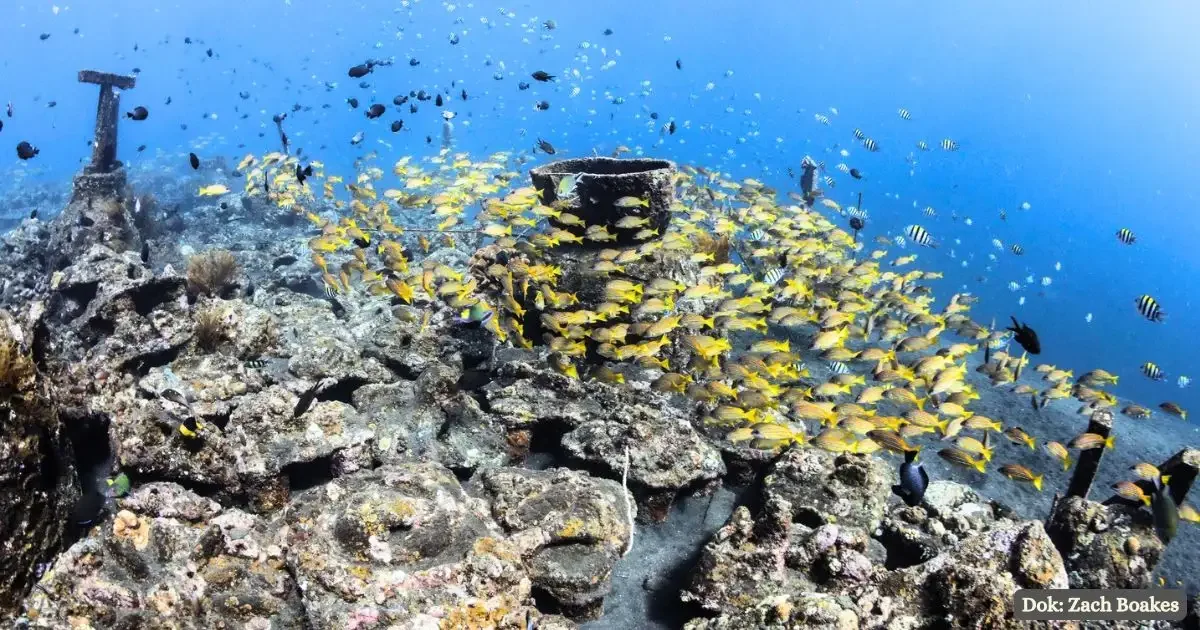
RRI.CO.ID, Bandung - The National Research and Innovation Agency (BRIN) of Indonesia is pioneering a new framework for coral reef restoration, shifting the evaluation benchmark from physical coral cover expansion to the comprehensive recovery of ecosystem functions.
Speaking at a virtual scientific forum hosted by BRIN's Climate and Atmosphere Research Center (PRIMA) on Friday, July 10, 2026, agency experts emphasized that a functional approach is essential to building resilient marine ecosystems capable of enduring climate change impacts.
"For a long time, restoration success has often been measured merely by coral growth or surface coverage. However, ensuring that ecological functions are fully restored is equally critical. Only then can coral ecosystems resume providing benefits for marine biodiversity and coastal communities" said Head of PRIMA BRIN, Albertus Sulaiman, on Wednesday, 22, 2026, as quoted on BRIN's official website.
The core framework was detailed by PRIMA BRIN postdoctoral researcher Zach Boakes from the United Kingdom. Drawing from nearly a decade of field research across Indonesia's Coral Triangle, a global biodiversity hotspot harboring 25 percent of all marine species despite covering less than 0.2 percent of the ocean floor, Zach highlighted that traditional restoration methods frequently overlook essential ecological processes.
To address this gap, Zach and BRIN’s research team developed metrics to measure key ecological functions, including carbonate production, herbivory rates, predation dynamics, and nutrient cycling.
"In my restoration work in Indonesia, I have seen many programs successfully increase coral cover, the central question remains: has the reef truly recovered as a functioning ecosystem? Preliminary findings indicate that different ecosystem functions recover at varying rates, requiring long-term monitoring," Zach explained.
Zach also urged conservationists to move beyond fast-growing coral species by incorporating heat-resilient coral varieties capable of surviving rising sea temperatures and mass bleaching events.
Complementing this approach, BRIN researcher Yudawati stressed the importance of historical reef data across geological timescales to better understand coral adaptation limits and inform future marine conservation strategies. ***
News Recomendation
Loading latest news.....