



Kerinci Seblat National Park Steps Up Forest Restoration in Bengkulu
- 22 Jun 2026 00:16 WIB
- Voice of Indonesia
Key Points
- Kerinci Seblat National Park is working to restore 10,000 hectares of forest damaged by encroachment and illegal logging.
- TNKS regularly engages with buffer‑zone communities, emphasizing the importance of preserving forests and their ecological benefits.
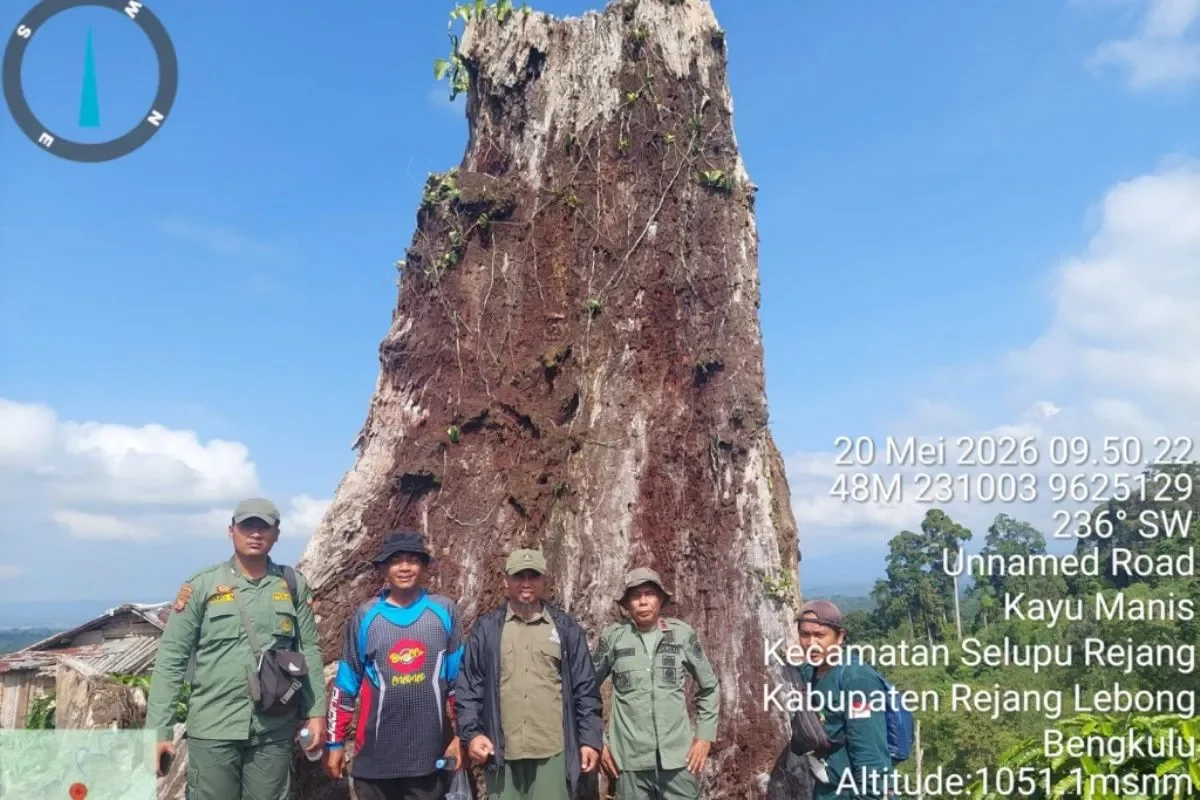
RRI.CO.ID, Bengkulu - Kerinci Seblat National Park (TNKS) Section VI in Bengkulu is intensifying efforts to restore forest areas damaged by encroachment and illegal logging.
Measures include reforestation, security patrols, community outreach, and conservation partnerships, with the goal of rehabilitating around 10,000 hectares of degraded forest.
“Based on data collection and satellite imagery from several years ago, the damaged area of TNKS Section VI in Bengkulu reached 10,000 hectares. This destruction was caused by illegal logging and land clearing for agriculture,” said Head of TNKS Section VI Management in Bengkulu, Nur Hamidi, when contacted from Rejang Lebong on Sunday, June 21, 2026, as quoted by Antara.
The Bengkulu Section VI National Park covers 340,575 hectares across four regencies: Rejang Lebong (41,066 hectares), Lebong (111,035 hectares), North Bengkulu (68,921.95 hectares), and Mukomuko (119,552.05 hectares).
According to Nur Hamidi, forest destruction has occurred throughout the park’s working area. In addition to illegal logging, damage has been driven by shifting agriculture and coffee plantations established by local communities.
To prevent further degradation, TNKS is working with stakeholders to intensify patrols in vulnerable areas to curb encroachment and logging. The park also conducts regular outreach with buffer-zone communities, stressing the importance of forest preservation and its ecological benefits.
Reforestation programs are underway to restore encroached areas by replanting endemic tree species, with the aim of accelerating ecosystem recovery and gradually restoring forest function.
The TNKS office is also offering conservation partnership schemes to communities that have already opened land within the park. These partnerships allow residents to participate in legal management while adhering to conservation principles.
However, Nur Hamidi emphasized that such partnerships are subject to strict conditions. Land must have been cleared before 2020 and be located within the utilization zone, not in the core or wilderness zones, which carry a higher level of protection.
By combining security, education, reforestation, and conservation partnerships, TNKS hopes to make forest restoration more effective and raise public awareness to safeguard the sustainability of one of Indonesia’s largest conservation areas. ***
News Recomendation
Loading latest news.....